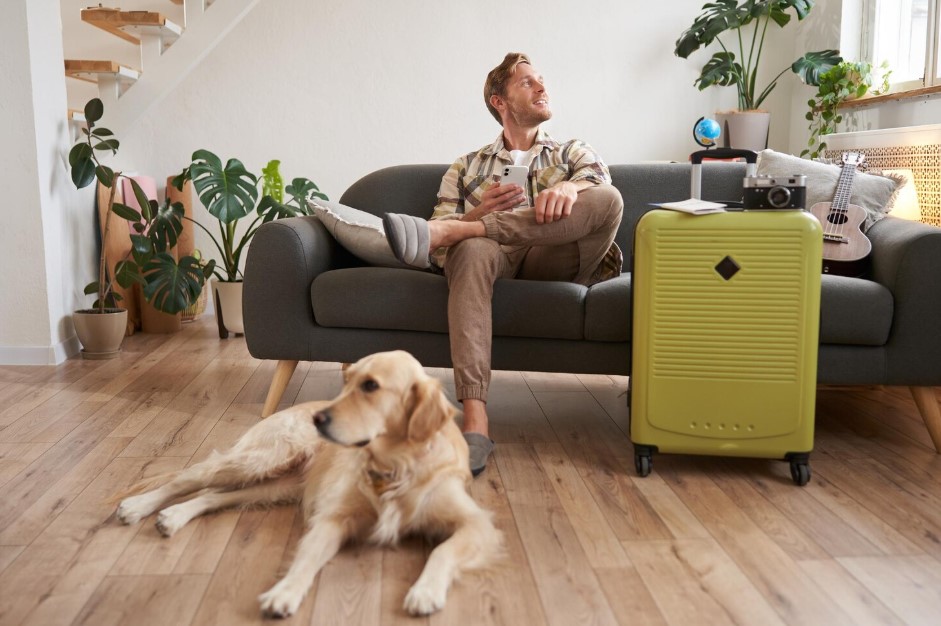
As more people move into apartments and high-density housing, pet ownership in smaller living spaces has become increasingly common. While apartments can be perfectly suitable for pets, especially with proper care, there are hidden health risks that pet owners should be aware of. Understanding these challenges is essential to ensuring pets remain happy, active, and healthy—even in more compact environments.
Limited Space and Reduced Physical Activity
One of the most obvious challenges of apartment living is limited space. Pets, particularly dogs, require regular physical activity to maintain a healthy weight, support joint health, and reduce behavioural issues.
In smaller spaces, pets may:
- Move less throughout the day
- Miss out on natural exercise opportunities
- Develop weight-related health problems
Lack of physical activity can lead to obesity, which increases the risk of diabetes, heart disease, and joint issues. Dogs that don’t get enough exercise may also become restless or develop destructive behaviours.
Solution: Daily walks, regular outdoor playtime, and interactive toys can help keep pets active. Even in apartments, structured routines make a significant difference.
Mental Stimulation and Boredom
Physical space isn’t the only concern—mental stimulation is equally important. Pets left alone in small spaces for extended periods may experience boredom, which can negatively affect their mental health.
Signs of boredom include:
- Excessive barking or meowing
- Chewing furniture or belongings
- Anxiety or restlessness
Cats and dogs both require environmental enrichment to stay engaged. Without it, they may develop stress-related behaviours or even depression.
Solution: Puzzle toys, rotating play activities, and window access can provide stimulation. Regular interaction with owners is also crucial.
Poor Air Quality and Ventilation
Air quality is often overlooked but can have a direct impact on a pet’s health. In smaller apartments with limited ventilation, dust, pet dander, and indoor pollutants can accumulate quickly.
This can lead to:
- Respiratory issues
- Allergies
- Skin irritations
Pets are often more sensitive to environmental changes than humans, making clean air even more important.
Solution: Ensure proper ventilation, regularly clean living areas, and consider using air purifiers to maintain a healthy indoor environment.
Noise Stress and Environmental Triggers
Apartment living often comes with increased noise—from neighbours, traffic, elevators, and shared spaces. For pets, especially those not accustomed to these sounds, this can be a source of stress.
Chronic noise exposure can cause:
- Anxiety and nervous behaviour
- Sleep disturbances
- Increased aggression or fear responses
Dogs may bark excessively in response to unfamiliar sounds, while cats may become withdrawn or overly cautious.
Solution: Create a calm, quiet area within the apartment where pets can retreat. Gradual exposure to noise and positive reinforcement can also help reduce anxiety.
Limited Access to Outdoor Areas
Unlike houses with backyards, apartments typically offer limited direct access to outdoor spaces. This can make it harder for pets to explore, exercise, and engage with their natural environment.
For dogs, this may mean fewer opportunities to:
- Run freely
- Socialise with other animals
- Experience new sights and smells
For cats, lack of outdoor stimulation can lead to frustration or inactivity.
Solution: Schedule regular outdoor time, visit nearby parks, and consider safe balcony setups or enclosed outdoor spaces where possible.
Hygiene and Cleanliness Challenges
In smaller living spaces, maintaining hygiene becomes even more important. Pet hair, odours, and waste can build up more quickly in apartments, affecting both pet and owner health.
Poor hygiene can lead to:
- Skin conditions
- Parasite infestations
- Unpleasant living conditions
Solution: Regular grooming, frequent cleaning, and proper waste management are essential. Keeping bedding and litter areas clean helps maintain a healthy environment.
Social Isolation and Separation Anxiety
Pets in apartments may spend long hours alone, especially if owners work full-time. This can lead to separation anxiety, which is a common issue in confined living environments.
Symptoms include:
- Excessive vocalisation
- Destructive behaviour
- Attempts to escape
Over time, this can impact a pet’s emotional wellbeing and overall health.
Solution: Establish routines, provide comfort items, and consider pet sitters, doggy daycare, or flexible work arrangements where possible.
Choosing the Right Living Environment
While these risks exist, they can be effectively managed with the right approach—and by choosing suitable accommodation. Many modern apartments are now designed with pet owners in mind, offering better layouts, access to outdoor areas, and pet-friendly policies.
In cities like Melbourne, the rise of pet-friendly accommodation has made it easier for pet owners to find spaces that support both their needs and those of their animals. Fully furnished serviced apartments that welcome pets often provide a more adaptable and comfortable environment, especially for short- and long-term stays.
These accommodations can help reduce stress for both pets and owners by offering convenience, flexibility, and thoughtful design.
Final Thoughts
Living in an apartment doesn’t mean compromising your pet’s health—but it does require awareness and effort. By understanding the hidden risks associated with small spaces, pet owners can take proactive steps to create a safe, stimulating, and comfortable environment.
With regular exercise, proper care, and the right living conditions, pets can thrive in apartments just as well as they do in larger homes. As urban living continues to grow, responsible pet ownership will play a key role in ensuring that both people and their pets enjoy a healthy and happy life together.