Urban living in Australia is rapidly evolving, and one of the biggest changes shaping modern housing preferences is the growing demand for pet-inclusive accommodation. Across Melbourne and other major cities, renters, homeowners, and travellers are increasingly prioritising properties that allow pets and support animal-friendly lifestyles. What was once considered a niche housing feature has now become an important expectation for many residents.
The rise in pet ownership over recent years has significantly influenced the way Australians choose where and how they live. More households now consider pets to be part of the family, leading to stronger demand for apartments, serviced accommodation like Airbnb, and residential communities designed with animals in mind. Recent surveys show that pet-friendly features are becoming a major factor in housing decisions, particularly among apartment residents and downsizers.
At the same time, apartment living continues to expand throughout Melbourne as population growth, housing affordability pressures, and changing lifestyles encourage higher-density urban development. Melbourne’s CBD, Southbank, Docklands, Port Melbourne, and St Kilda have all experienced significant growth in apartment living over the past decade.
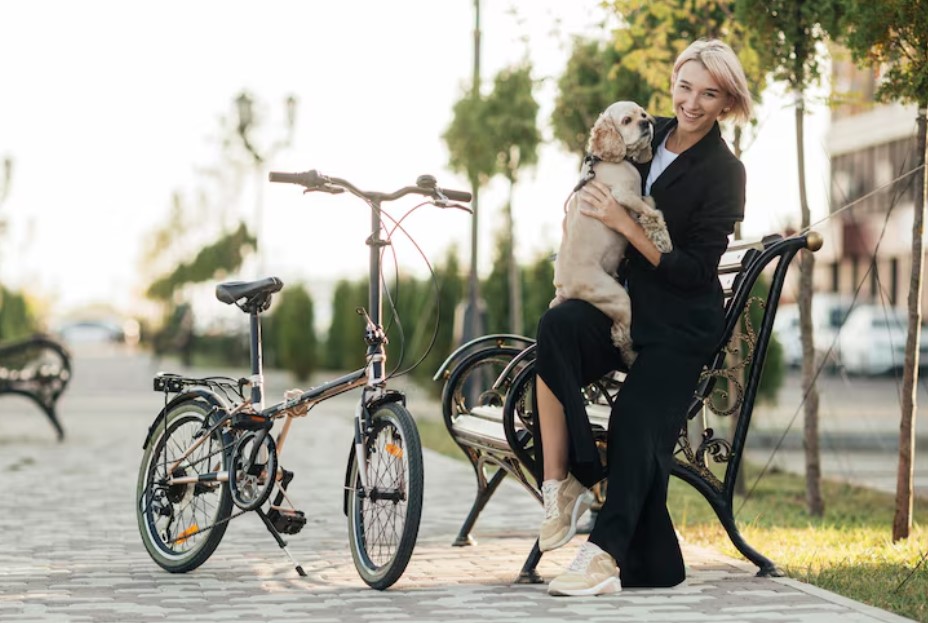
Historically, pets were often associated with suburban homes and large backyards. However, modern urban lifestyles are reshaping this assumption. Many city residents now successfully raise dogs and cats in apartments by focusing on routine, exercise, and pet-friendly environments rather than relying solely on large outdoor spaces.
Developers and accommodation providers are responding to this shift by integrating more pet-conscious features into residential buildings. Dog-wash stations, secure balconies, nearby walking trails, landscaped gardens, pet-friendly flooring, and dedicated outdoor areas are becoming increasingly common in newer apartment developments.
For many renters, pet-friendly policies have become just as important as parking, security, or gym facilities. Industry research suggests that tenants increasingly prioritise buildings that support modern lifestyle needs, including the ability to live comfortably with pets.
The trend is especially noticeable among younger professionals, remote workers, relocating families, and long-stay travellers. Flexible working arrangements have strengthened the emotional bond between people and their pets, while also increasing demand for homes that support work-life balance and companionship. In many cases, pets have become central to lifestyle decisions, including where people choose to rent or travel.
Melbourne’s urban design also contributes to the popularity of pet-inclusive living. The city offers a strong mix of parks, walking trails, veterinary services, cafes, and open public spaces that support pet ownership even in high-density areas. Research from the University of Melbourne explored how different parts of the city perform from a “dog-friendly” perspective, examining access to parks, services, and walkability.
As a result, many renters and travellers now actively search for the best pet-friendly areas to stay in Melbourne when planning relocations, extended stays, or corporate accommodation. Locations such as Southbank, St Kilda, Docklands, Port Melbourne, and parts of the CBD are particularly attractive due to their combination of apartment living, public transport, waterfront walking areas, and nearby green spaces.
Southbank, for example, offers riverside walking paths along the Yarra River and quick access to parklands while remaining close to Melbourne’s business district. St Kilda appeals to pet owners with its beachside lifestyle, foreshore walking tracks, and outdoor café culture. Port Melbourne combines quieter residential surroundings with beach access and open recreational areas, making it popular among professionals and long-term renters alike.
Apartment living with pets does, however, require thoughtful planning and responsible ownership. Experts note that successful apartment pet ownership depends less on property size and more on meeting a pet’s daily physical and emotional needs. Regular exercise, mental stimulation, social interaction, and structured routines all play critical roles in maintaining healthy and happy pets.
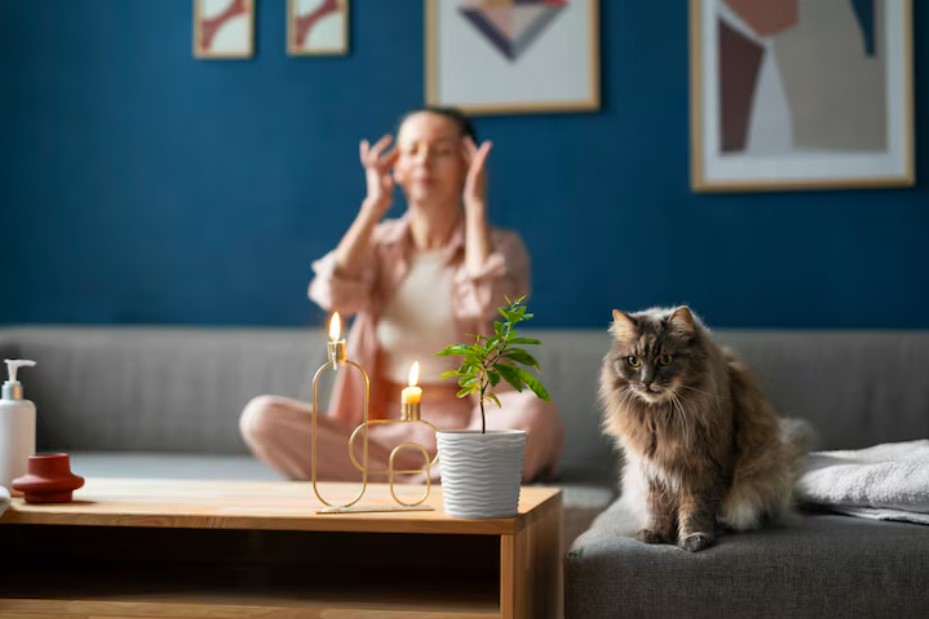
Smaller dog breeds have become increasingly popular in urban environments due to their adaptability to apartment living, although many larger breeds can also thrive in apartments when properly exercised. Cats remain especially well-suited to indoor urban lifestyles because of their independence and ability to adapt to compact spaces.
Despite growing demand, challenges still exist within the rental market. Pet-friendly rental properties remain limited in some areas, and tenants often face additional competition or higher rental costs when searching for accommodation that accepts animals. Some reports have described this growing issue as a “pet tax,” where renters with pets may pay more for suitable housing due to restricted supply.
Nevertheless, attitudes are slowly changing as both landlords and developers recognise the long-term benefits of pet-friendly housing. Many property owners now understand that pet-inclusive policies can attract stable, long-term tenants who are highly invested in maintaining comfortable homes for themselves and their animals.
The hospitality and accommodation industry is also adapting to these changes. Serviced apartments and furnished accommodation providers increasingly offer flexible pet-friendly options for business travellers, relocating employees, medical visitors, and families who prefer not to leave pets behind during extended stays.
This shift reflects a broader cultural transformation in how Australians view pets and urban living. Rather than seeing apartment life as incompatible with animals, more people now view pets as an essential part of modern city lifestyles. As urban populations continue to grow and housing preferences evolve, pet-inclusive living is likely to become an even more important feature of future residential design.
Ultimately, the growing demand for pet-friendly apartments, accommodation, and urban communities highlights a simple reality: people want homes that support every member of the household — including their pets. With thoughtful planning, responsible ownership, and continued innovation in residential design, urban living and pet ownership can successfully coexist in cities like Melbourne.