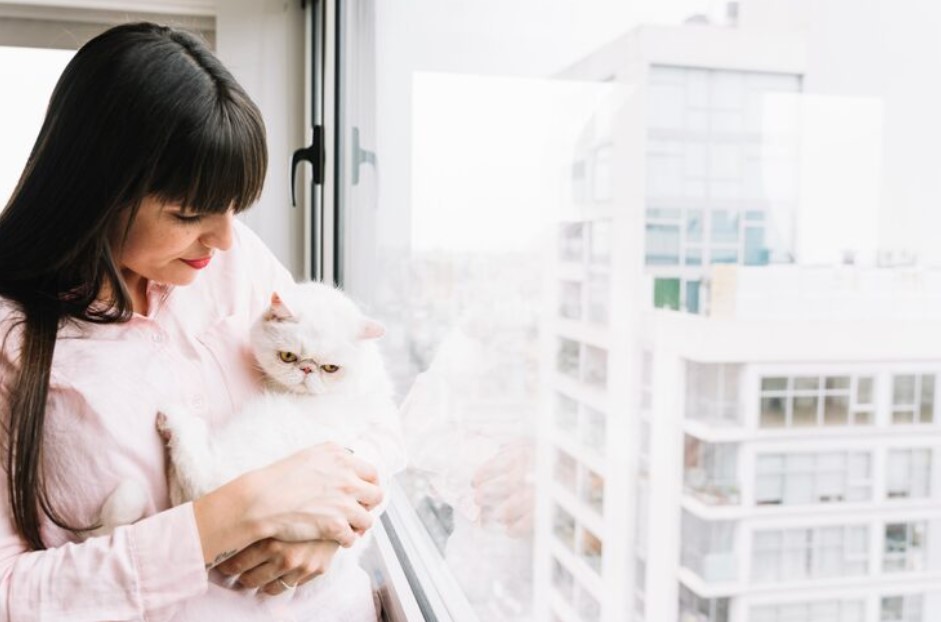
Cats have lived alongside humans for thousands of years, yet they still manage to surprise even experienced owners. Their independent personalities can sometimes make them seem mysterious, but many of their unusual behaviours have practical explanations rooted in instinct, communication and biology.
Understanding how cats experience the world can help owners provide a safer and more comfortable environment, whether at home, moving to a new property or travelling with their pet. Here are some fascinating facts that may change the way you look at your feline companion.
Cats Communicate With More Than Their Voice
Meowing is one of the most recognisable forms of feline communication, but cats rely heavily on body language. Their ears, tail, eyes and posture can provide clues about how they are feeling.
A slowly blinking cat, for example, is generally displaying relaxation and trust. A rapidly moving or lashing tail can indicate agitation or overstimulation, while flattened ears may suggest fear or discomfort.
Interestingly, adult cats often use meowing particularly in their interactions with humans. Between themselves, cats also communicate through scent, posture, touch and other vocalisations.
Their Sense of Smell Is Extremely Important
Cats experience their surroundings very differently from humans, and scent plays a major role. They use smell to identify familiar people, animals, objects and territory.
This helps explain why some cats become unsettled after moving house or arriving somewhere unfamiliar. A new apartment contains different scents, sounds and objects, which can initially make a cat cautious.
When relocating, bringing familiar bedding, toys or scratching equipment can help introduce recognisable scents into the new environment. Allowing a cat to explore gradually rather than immediately giving it access to every room may also make the adjustment more manageable.
Cats Spend a Lot of Their Lives Sleeping
If it seems as though your cat sleeps most of the day, you are probably not imagining it. Cats commonly spend a substantial portion of each day sleeping or resting, although the exact amount varies depending on age, health, activity and personality.
This behaviour is connected partly to their natural hunting patterns. Wild felines conserve energy between periods of activity, and domestic cats retain many of the same instincts.
Cats are often particularly active around dawn and dusk. This can explain why an otherwise sleepy pet suddenly decides that early morning is the perfect time to run through the house.
Whiskers Are Important Sensory Tools
A cat's whiskers are much more than decorative facial hair. They are highly sensitive and help cats gather information about their immediate surroundings.
Whiskers can help a cat navigate close spaces and detect subtle environmental changes. This is one reason they should never be deliberately cut or trimmed for cosmetic purposes.
Owners may also notice that some cats prefer wide food or water bowls. Individual preferences vary, but providing bowls that allow comfortable access without unnecessary contact around the face can be worth considering.
Purring Does Not Always Mean Happiness
Purring is commonly associated with a happy, relaxed cat, and often that is exactly what it means. However, context matters.
Cats may also purr when they are frightened, stressed or unwell. Owners should therefore consider the cat's overall behaviour rather than interpreting purring by itself. Changes in appetite, movement, grooming habits, litter-box use or social behaviour can provide additional information.
Persistent or concerning behavioural changes should be discussed with a veterinarian.
Cats Need Mental Stimulation
Although cats are famous for their independence, that does not mean they should be left without stimulation. Indoor cats in particular benefit from opportunities to climb, scratch, explore and play.
Interactive toys, scratching posts, climbing structures and short play sessions can encourage natural behaviours. Even something as simple as having a safe place near a window can provide visual stimulation.
Regular play can also strengthen the relationship between cats and their owners while giving them an appropriate outlet for stalking and chasing behaviours.
Cats Can Be Sensitive to Changes in Their Environment
Moving can be stressful for cats because they are often strongly connected to familiar territory. New smells, furniture arrangements, people and noises can all require adjustment.
This is worth remembering when searching for pet-friendly serviced apartments in Melbourne CBD, particularly for an extended stay or relocation. An apartment that accepts pets is only the starting point. Cat owners should also consider whether the property provides enough secure indoor space, whether windows and balconies are appropriately protected, and whether building rules place restrictions on animals.
Before booking, owners should confirm the property's individual pet policy, including possible fees, cleaning requirements and conditions relating to the number or type of pets permitted.
Cats Often Hide Signs of Illness
One particularly important fact for owners is that cats may not always show obvious signs when something is wrong. Their behaviour can change subtly instead.
Eating less, hiding more frequently, becoming unusually aggressive, drinking noticeably more or less, avoiding the litter tray, or suddenly changing grooming habits can sometimes indicate a problem.
Knowing what is normal for your individual cat makes unusual behaviour easier to recognise. When significant or persistent changes occur, professional veterinary advice is preferable to trying to diagnose the cause at home.
Getting to Know Your Cat
Perhaps the most surprising thing about cats is how individual they are. One cat may immediately explore a new apartment, while another may spend several days cautiously observing from a favourite hiding place. Some enjoy constant attention; others prefer interaction on their own terms.
Learning your cat's routines, preferences and communication signals can make everyday care easier. It is especially valuable when travelling or relocating, when familiar routines can provide reassurance in an unfamiliar environment.
Cats may have a reputation for being mysterious, but paying attention to their behaviour reveals just how much they communicate. The better owners understand these signals, the easier it becomes to create an environment where their feline companions can feel secure, stimulated and at home.