Bringing a pet into your apartment can be exciting — but before you let paws or claws roam free, a little preparation goes a long way. Pet-proofing helps protect your pet from hidden dangers, prevents damage to your home, and lays the foundation for a harmonious life together. Here’s a guide walking you through what to do before you bring your new companion home.
Why Pet‑Proofing Matters
Pets — especially young or curious ones — explore with their noses, mouths, and paws. In a small enclosed space like an apartment, ordinary items can suddenly become hazards: electrical cords, trash bins, cleaning chemicals, dangling wires, delicate decorations, and even houseplants. Without pet-proofing, pets risk injury, and owners risk damage to property, complaints from neighbours, or voided security deposits.
Moreover, in a multi-tenant or shared building, proper pet-proofing shows responsibility. Many “pet-friendly” buildings accept pets only if tenants commit to keeping pets under control and avoiding disturbances.
Thus, before you fetch your pet from the shelter or breeder, it’s wise to treat your move-in like a baby-proofing project: anticipate what could go wrong, and secure anything that might pose a risk.
Room‑by‑Room Pet‑Proofing Checklist
Here is a practical, room-by-room checklist to help you ready your apartment:
Kitchen & Trash Areas
- Secure food, snacks, and chemicals: Keep food, treats, and cleaning supplies in high cabinets or locked drawers. Pets — especially dogs — can scavenge quickly.
- Use pet‑proof trash bins: Use bins with secure lids or keep trash inside a closed cabinet so pets cannot rummage through and ingest harmful items.
- Lock cabinets with latches if needed: Cabinets with child‑proof or magnetic locks minimise the risk of pets opening them out of curiosity.
Living Areas & Common Space
- Hide or cover electrical cords and wires: Use cord protectors, sleeves, or cable organisers — pets may chew cables, leading to injury or damage.
- Protect furniture and flooring: Use washable slipcovers, throws, or pet‑friendly fabrics on couches and chairs. Add rugs or mats in areas where pets usually walk, play, or eat to guard against scratches or spills.
- Remove small or fragile objects: Keep small items, knick‑knacks, decorations, or fragile items off tables or low shelves so pets don’t accidentally knock or ingest them.
- Secure houseplants and potentially toxic items: Some common plants or their fertilisers can be toxic to pets; place them out of reach or switch to pet-safe varieties.
Bedrooms & Private Spaces
- Store clothes, shoes, and small objects properly: Pets—especially puppies or kittens—may chew on shoes, drawstrings, or swallow small items, so keep these in closets or drawers.
- Check under and inside furniture/appliances: Pets sometimes hide under beds, sofas, or climb into appliances (like laundry machines). Always check before closing doors or turning devices on.
Windows, Balconies & Exits
- Ensure window safety: If you have windows that open, make sure screens or guards are secure — pets can fall or escape. For apartments with balconies, consider netting or barriers to prevent accidental falls. This is especially important for cats and energetic dogs.
- Use baby gates or pet barriers when needed: To limit access to certain rooms (e.g. kitchen, balcony, or guest rooms), get tension-mounted gates or portable pet barriers rather than installing permanent fixtures that could violate lease rules.
Setting Up Pet’s Own Space
- Designate a pet zone: Have a bed, crate, or resting spot ready with food/water bowls, toys, and blankets. This gives your pet a sense of security and a “home base.”
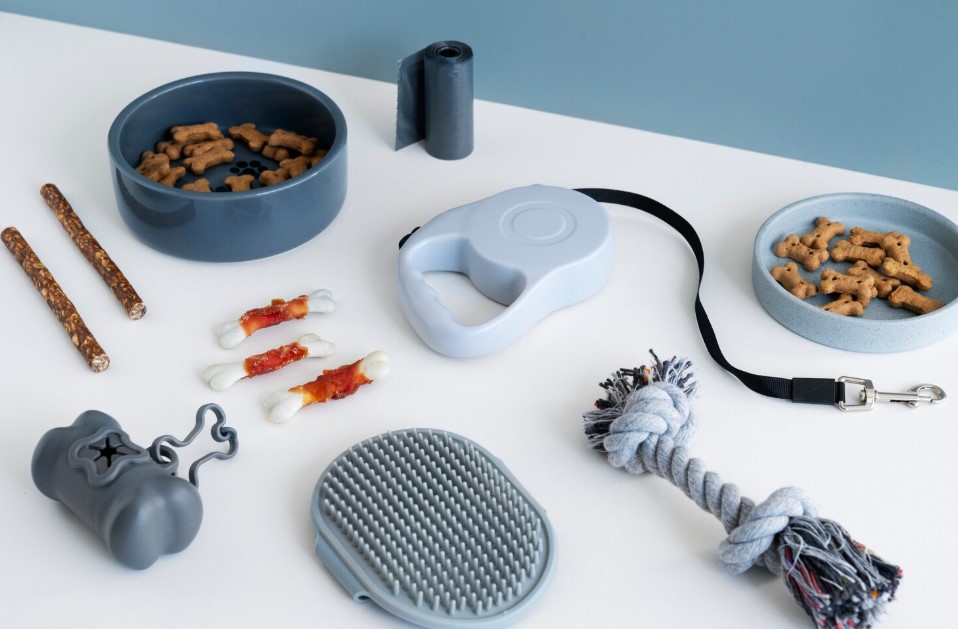
- Stock pet‑friendly supplies: Include safe toys, chew toys, scratching posts (for cats), washable mats under feeding areas, and a pet first-aid kit.
Don’t Forget: Know Your Building’s Pet Policy
Before or while pet-proofing, make sure your apartment is indeed “pet-friendly.” Many buildings labelled as such include amenities — but also come with rules. Some may allow only certain types, sizes, or numbers of pets; others may require registration, vaccinations, ora liability agreement from tenants.
Good pet‑friendly accommodations often offer features that help pet owners: designated pet relief areas or dog parks, pet waste stations, grooming or wash areas, and sometimes even community pet events.
If you’re in a rental unit, be sure to get the pet policy (or “pet addendum”) in writing. That way, you understand what’s allowed — and avoid potential conflicts later.
Extra Considerations Before Bringing Home a Pet
- Toxic hazards: Keep cleaners, medications, and human food that’s dangerous to pets (e.g. chocolate, grapes, onions) in secure cabinets. Even seemingly harmless items or wrappers can be harmful.
- Noise and neighbours: In apartments, noise travels easily. Make sure to train pets early — constant barking or loud scratching can lead to complaints.
- Emergency readiness: Know where the nearest vet is; keep a pet first‑aid kit; keep ID tags or microchip info ready — especially useful for renters, or in buildings with many units.
- Respect common areas and building rules: If your building allows pets in shared spaces, follow the guidelines — leash rules, waste disposal, noise curfews, cleanliness, etc.
Final Thoughts
Adopting a pet is a big step — but with careful planning and preparation, you can turn a regular apartment into a safe, comfortable, and welcoming home for your new furry friend. Pet-proofing before bringing your pet in doesn’t only protect them; it also protects your home, your security deposit, and the peace of your community.
And if you happen to be looking for a rental: choosing a truly pet-friendly apartment — one that knows pets aren’t just tolerated, but welcomed — can make all the difference. A building that understands pet needs often provides pet‑friendly amenities and reasonable policies, giving both you and your pet a better chance at a happy home life.