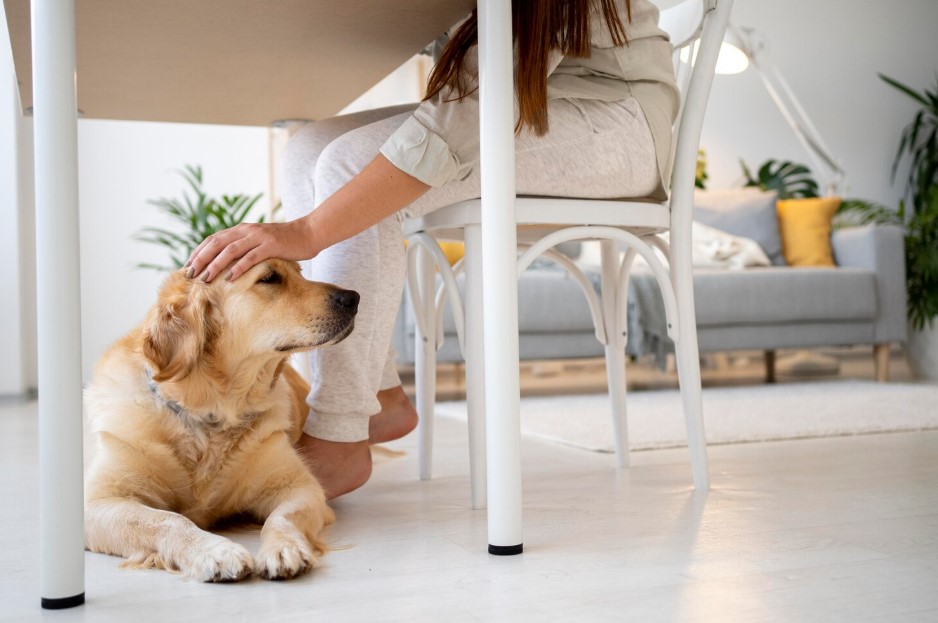
Living in an apartment with a pet comes with its own set of joys and challenges. Pets bring companionship, love, and energy into our homes—but without proper training and boundaries, they can sometimes cause tension with neighbours. Teaching your furry friends to be good apartment neighbours ensures a happier, more harmonious living environment for everyone.
Start With Basic Obedience
The foundation of any well-behaved apartment pet is basic obedience. Commands like “sit,” “stay,” “quiet,” and “come” are essential, especially in shared living spaces. Dogs should be trained to respond promptly to these commands, while cats can be encouraged to use scratching posts and litter boxes appropriately. Consistent training not only improves your pet’s behaviour but also reassures neighbours that your pet is under control.
Manage Noise Levels
Noise is one of the biggest complaints in apartment living. Barking dogs or meowing cats can disturb neighbours, especially in multi-unit buildings with thin walls. To manage noise, provide your pet with plenty of physical and mental stimulation. Toys, puzzle feeders, and regular exercise reduce boredom-related vocalisation. For dogs, crate training can provide a safe, quiet space to relax when you’re away. For cats, vertical spaces and interactive play help reduce restless yowling or destructive behaviour.
Establish a Bathroom Routine
Apartment living often requires careful planning for bathroom breaks. Dogs should be taken outside regularly, ideally at the same times each day, to reduce accidents indoors. For cats, keeping the litter box clean and in a quiet, accessible location helps prevent unpleasant smells from spreading. A tidy, odour-free apartment shows consideration for neighbours and keeps your home inviting for visitors.
Respect Common Spaces
Shared areas like hallways, elevators, and courtyards are part of apartment life. Teaching pets to walk calmly on a leash, stay close, and avoid jumping on others is critical. Always clean up after your pet in these spaces to maintain hygiene and demonstrate responsibility. Small gestures, like carrying waste bags or using designated pet areas, go a long way in maintaining good relationships with neighbours.
Socialise Your Pet
Proper socialisation helps pets feel comfortable around strangers, other pets, and new environments. Dogs benefit from exposure to neighbours, fellow apartment dogs, and gentle handling from multiple people. Cats may need gradual introductions to people or other pets in shared spaces. A well-socialised pet is less likely to react negatively to noise, strangers, or unexpected encounters.
Set Boundaries With Furniture and Belongings
Pets naturally explore, but apartment furniture and neighbours’ spaces should remain respected. Providing your pet with their own cozy bed, scratching post, or play area helps reduce the temptation to jump on furniture or invade restricted areas. Boundaries create a sense of security for pets and prevent damage or conflict within your apartment.
Choosing a Pet-Friendly Apartment
Selecting the right home can make all the difference. Many modern apartment complexes advertise pet-friendly accommodations, offering features like fenced outdoor areas, dog parks, and nearby walking trails. Choosing a pet-friendly apartment ensures your pet has safe spaces to play and exercise, reducing stress for both animals and their owners. It also fosters a community of pet lovers, which can make apartment living more enjoyable and understanding.
Be Considerate and Communicate
Being a good apartment neighbour isn’t just about your pet—it’s also about communication and consideration. Let neighbours know if you have a new pet, and discuss any potential concerns upfront. Being approachable and proactive can prevent misunderstandings and foster goodwill. If an issue arises, such as noise complaints, respond calmly and take steps to address the behaviour.
Reward Positive Behaviour
Positive reinforcement is key. Treats, praise, and playtime when your pet behaves appropriately reinforce good habits. Over time, your pet learns that calm behaviour, respecting boundaries, and interacting politely with neighbours leads to rewards. Consistency is essential—every family member should follow the same guidelines to maintain results.
Conclusion
Teaching your pet to be a good apartment neighbour takes time, patience, and commitment, but the results are worth it. A well-trained, socialised, and considerate pet creates a peaceful living environment for everyone. By establishing routines, respecting common spaces, and rewarding positive behaviour, you can ensure that your furry companion is a beloved member of both your household and your apartment community.