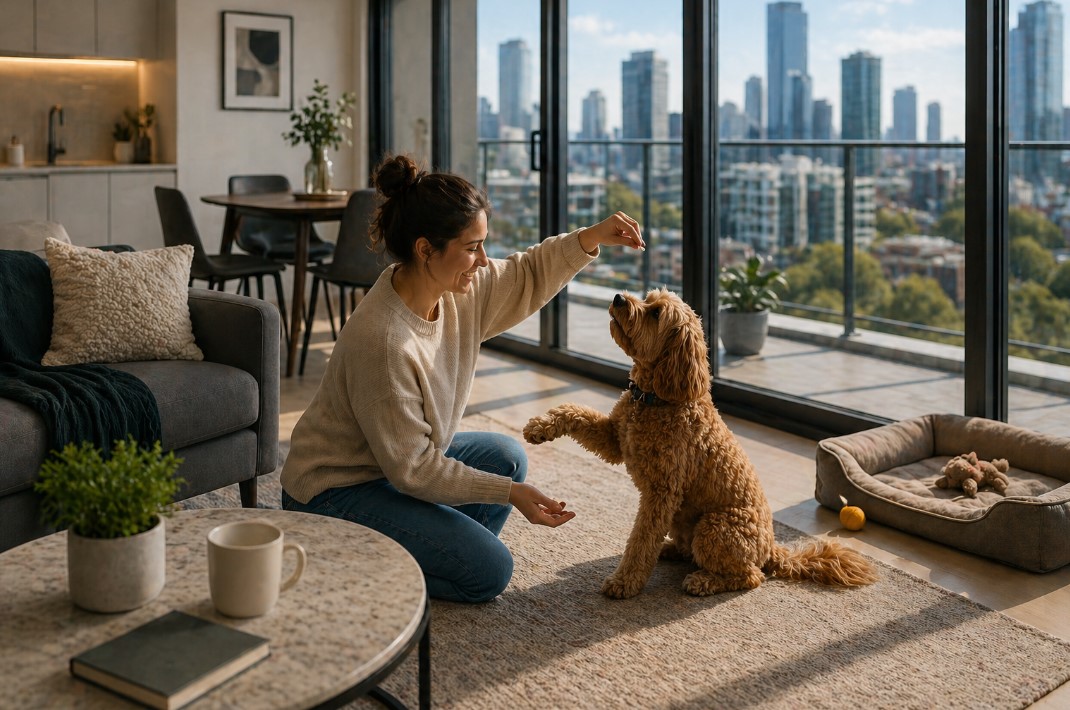
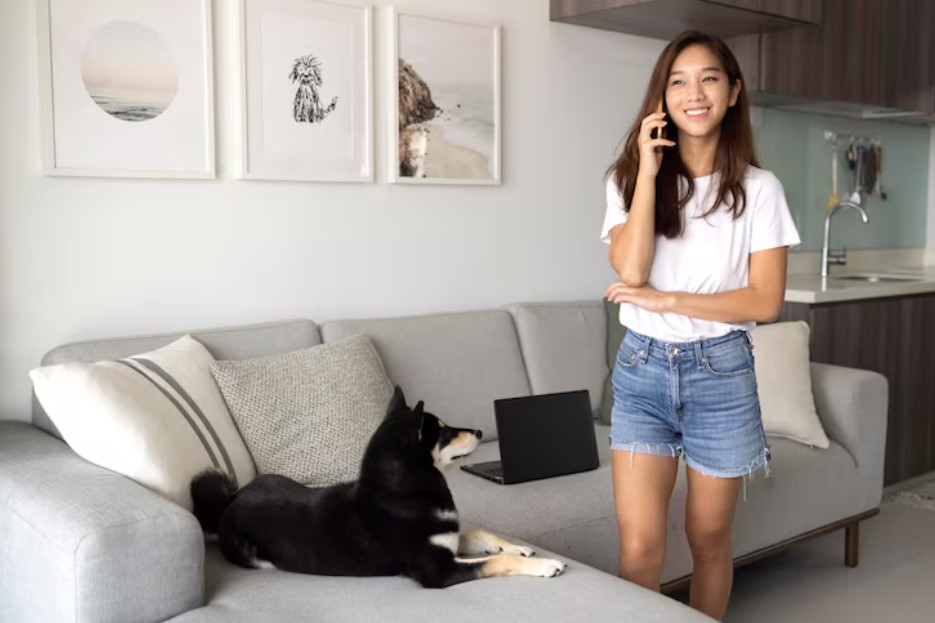
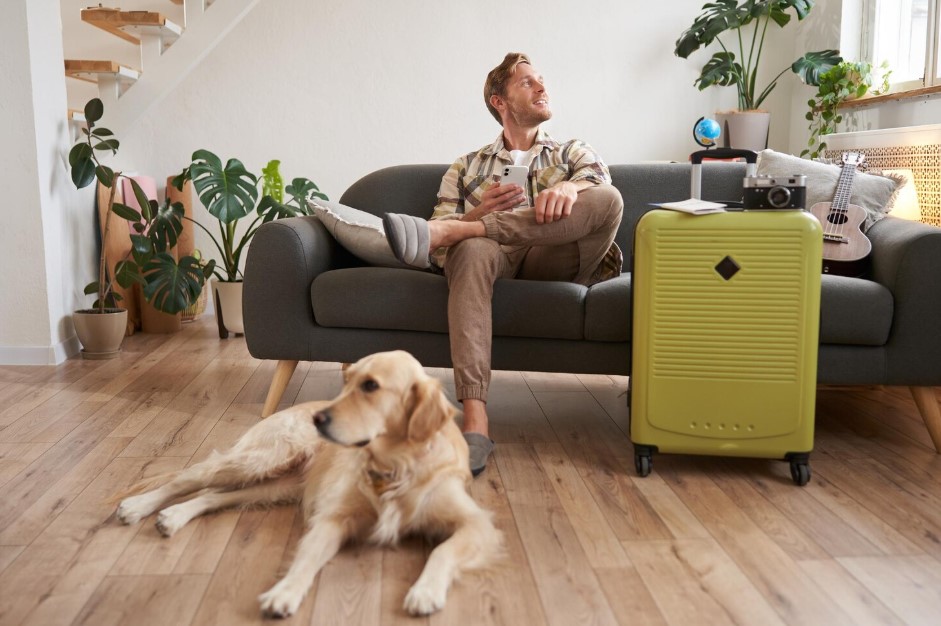
Pet ownership in Australia is evolving, particularly for those living in apartments. With more Australians choosing apartment living in major cities like Melbourne, Sydney, and Brisbane, governments and regulatory bodies have begun updating rules to better reflect modern lifestyles. These changes are making it easier for residents to keep pets—but they also come with new responsibilities.
As housing density increases and more people move into strata or apartment buildings, balancing the needs of pet owners with those of other residents has become a key focus. The result is a shift in legislation and building policies that is reshaping how Aussies own pets in shared living environments.
The Shift Toward Pet-Friendly Apartment Living
Historically, many apartment buildings in Australia imposed strict “no pets” policies, making it difficult for residents to keep animals. However, recent legal reforms—particularly in Victoria—have changed this approach.
Under updated tenancy and strata laws, blanket bans on pets are no longer automatically enforceable. Instead, landlords and owners’ corporations must have valid, reasonable grounds to refuse a pet request. This has opened the door for more Australians to enjoy pet ownership, even in high-density housing.
For renters, this is a significant development. It provides greater freedom and flexibility, allowing them to maintain companionship without being restricted by outdated rules.
What the New Rules Mean for Owners and Renters
While the new regulations are more pet-friendly, they are not without conditions. Pet owners must still meet certain requirements to ensure their animals do not negatively impact other residents or the property.
Common expectations include:
- Ensuring pets do not cause excessive noise or disturbance
- Maintaining cleanliness in shared areas
- Preventing damage to the apartment or building
- Keeping pets under control in common spaces
Owners’ corporations may still refuse pets in specific situations—for example, if the animal is deemed unsuitable for the size or type of property. However, refusals must now be justified rather than arbitrary.
This shift creates a more balanced system that supports pet ownership while protecting the rights of all residents.
The Rise of Pet-Friendly Accommodation
As demand for pet-friendly living increases, the accommodation sector is adapting. More apartment buildings, landlords, and accommodation providers are recognising the importance of catering to pet owners.
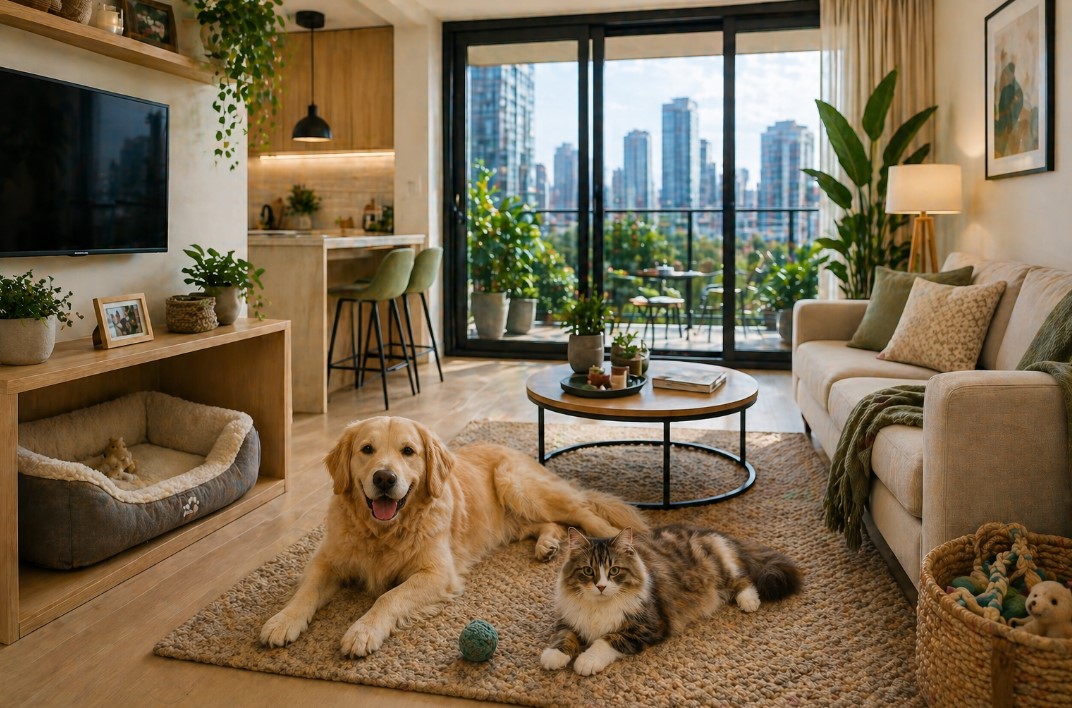
In cities like Melbourne, there has been a noticeable rise in pet-friendly accommodation options, particularly in serviced apartments and short-stay rentals. These properties are designed to accommodate both guests and their pets, offering features such as:
- Easy access to outdoor areas and parks
- Durable flooring and pet-friendly furnishings
- Flexible stay options for short and long-term needs
Providers of pet-friendly accommodation in Melbourne, including fully furnished serviced apartments, are responding to this growing demand by creating spaces that are both comfortable and practical for pet owners.
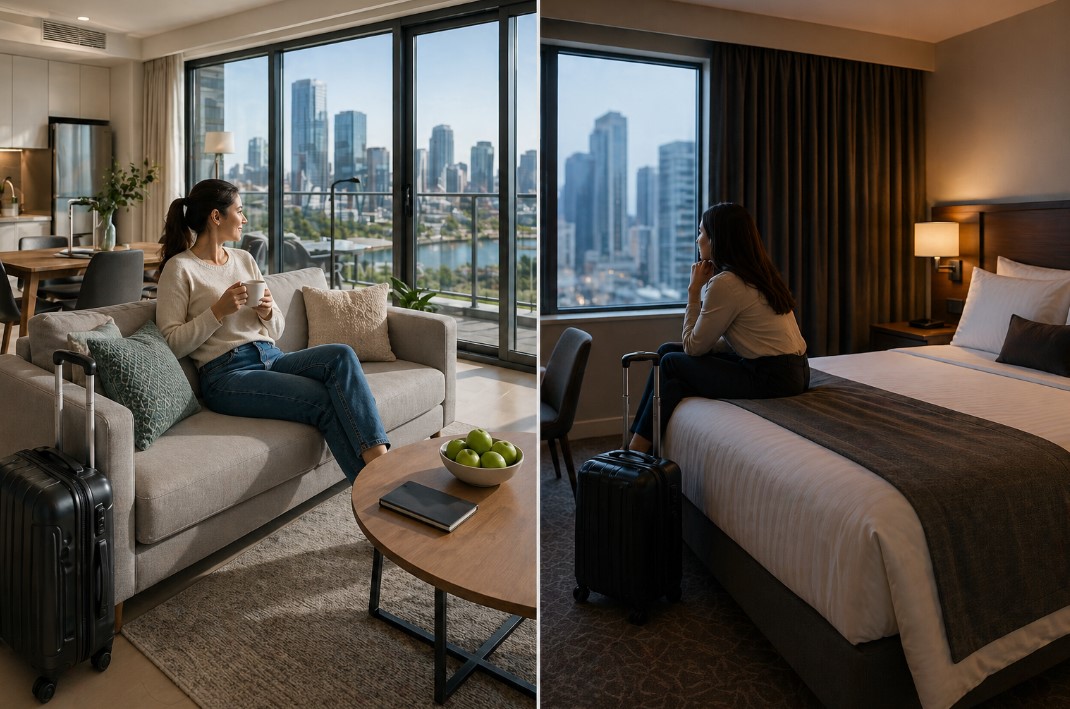
This trend is especially important for travellers, relocating families, and professionals on extended stays who want to bring their pets with them.
Changing Attitudes Toward Pets
Beyond legal reforms, there has been a broader cultural shift in how Australians view pets. Animals are increasingly seen as part of the family rather than just companions.
This change in mindset is influencing:
- Rental and property policies
- Design of residential buildings
- Accommodation offerings
Developers are now incorporating pet-friendly features into new apartment complexes, such as designated pet areas, washing stations, and nearby green spaces. These additions reflect the growing importance of pets in everyday life.
Challenges of Apartment Pet Ownership
While the new rules provide more opportunities, owning a pet in an apartment still comes with challenges. Limited space, shared facilities, and proximity to neighbours require careful consideration.
Pet owners should think about:
- The size and energy level of their pet
- Access to outdoor areas for exercise
- Noise management, particularly for dogs
- Time availability for care and attention
Choosing the right type of pet for apartment living is crucial. Smaller breeds, low-energy animals, and well-trained pets are generally better suited to confined spaces.
Benefits of Pet-Friendly Living
Despite the challenges, the benefits of owning a pet in an apartment are significant. Pets provide companionship, reduce stress, and contribute to overall wellbeing—particularly for people living alone or in busy urban environments.
For many Australians, the ability to keep a pet is a key factor when choosing where to live. As a result, pet-friendly properties are becoming more attractive and competitive in the housing market.
Accommodation providers that cater to pet owners often see increased demand and longer stays, as guests value the ability to travel or relocate without leaving their pets behind.
The Future of Pets in Apartments
Looking ahead, the trend toward pet-friendly apartment living is expected to continue. As cities grow and housing density increases, policies will likely continue to evolve to support modern lifestyles.
We can expect to see:
- More pet-friendly developments and accommodation options
- Clearer guidelines for pet ownership in shared spaces
- Increased awareness of responsible pet ownership
Technology may also play a role, with innovations such as pet monitoring systems and smart home features helping owners manage their pets more effectively in apartment settings.
Final Thoughts
The new apartment rules are transforming how Australians approach pet ownership, making it more accessible and realistic for those living in urban environments. By moving away from blanket bans and toward a more balanced framework, these changes reflect the evolving relationship between people and their pets.
At the same time, the rise of pet-friendly accommodation—particularly in cities like Melbourne—demonstrates how the housing and hospitality sectors are adapting to meet this demand.
For pet owners, the message is clear: apartment living and pet ownership are no longer mutually exclusive. With the right preparation, responsibility, and choice of accommodation, it’s now easier than ever to enjoy the benefits of having a pet while living in the heart of the city.