Living in a small apartment with a cat can be a wonderful experience, but it also requires thoughtful planning—especially when it comes to litter box placement and maintenance. In limited spaces, finding the right spot for a litter box while keeping your apartment fresh and hygienic can sometimes be challenging. However, with a few practical strategies, cat owners can easily maintain a clean environment that works well for both pets and people.
Proper litter box management is essential not only for cleanliness but also for your cat’s comfort and wellbeing. Cats are naturally clean animals, and they prefer using litter boxes that are accessible, private, and well-maintained. When these conditions are met, both you and your pet can enjoy a harmonious living space.
Choosing the Right Location
The placement of a litter box plays a significant role in your cat’s willingness to use it. In small apartments, the goal is to choose a location that is convenient for your cat but discreet enough not to interfere with daily living areas.
Quiet and low-traffic areas are generally the best choices. Cats prefer locations where they can use the litter box without feeling disturbed. Placing the box in a corner of a bathroom, laundry area, or unused closet space often works well in compact apartments.
Avoid placing the litter box near your cat’s food and water bowls. Cats instinctively prefer to keep their eating areas separate from their bathroom spaces. Maintaining this separation helps encourage consistent litter box use.
It is also important to ensure the litter box is easily accessible. If your cat needs to climb obstacles or travel too far to reach it, they may avoid using it altogether.
Making the Most of Small Spaces
Apartment living often means making creative use of limited space. Fortunately, there are several ways to integrate a litter box discreetly into your home without sacrificing cleanliness or style.
Some cat owners use furniture designed specifically to hide litter boxes. These enclosures resemble cabinets or side tables and allow the litter box to be tucked inside while still providing easy access for the cat.
Another option is placing the litter box inside a bathroom vanity area or behind a decorative screen. This approach keeps the litter box out of sight while maintaining proper ventilation.
Vertical space can also be useful. If you have a storage shelf or open cabinet, you may be able to designate a lower shelf as a litter box area while keeping supplies stored above.
Selecting the Right Litter Box
Choosing the right litter box can make a big difference in small apartments. Covered litter boxes are popular because they help contain odors and reduce litter scatter. However, some cats prefer open boxes because they offer more space and visibility.
Self-cleaning litter boxes are another option for apartment dwellers who want to reduce daily maintenance. These automated systems remove waste after each use, helping keep the litter box clean throughout the day.
The size of the litter box is also important. Even in small apartments, cats need enough room to turn around comfortably inside the box.
Managing Odour and Cleanliness
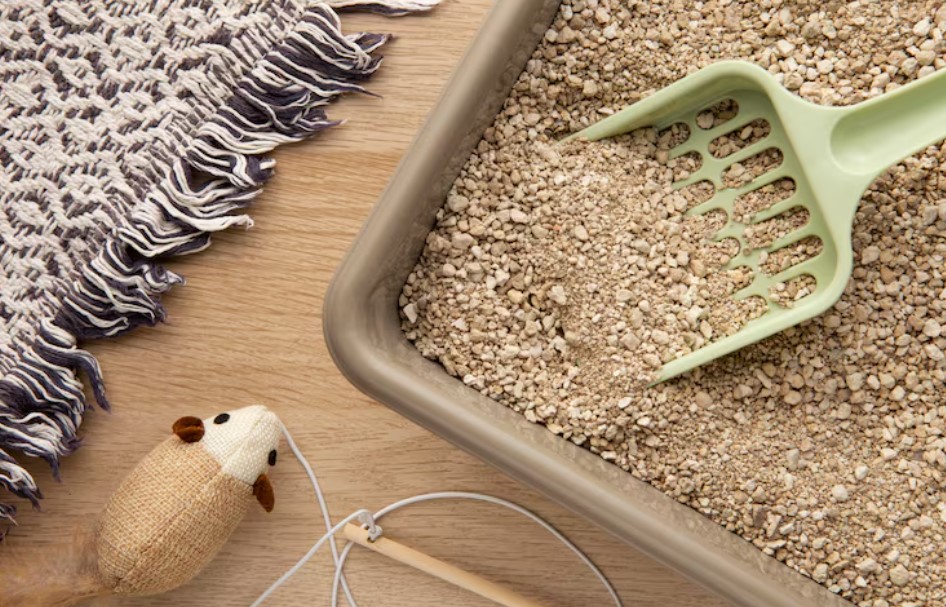
Keeping the litter box clean is the most effective way to prevent odours in small apartments. Scooping the litter box at least once or twice a day helps maintain a fresh environment and encourages your cat to continue using the box.
Completely replacing the litter and washing the box regularly is also recommended. A mild, unscented soap works best, as strong chemical cleaners can leave odours that may discourage cats from using the box.
Using high-quality clumping litter can help control odours and make daily cleaning easier. Many modern litters are designed specifically for odour control, making them particularly useful in small living spaces.
Air circulation also plays a role in maintaining freshness. Placing the litter box near a ventilated area or using an air purifier nearby can help reduce lingering smells.
Preventing Litter Tracking
In small apartments, litter tracking can quickly spread throughout the living space. Placing a litter mat outside the box helps catch loose litter from your cat’s paws before it spreads across the floor.
Regularly sweeping or vacuuming the surrounding area can also help maintain cleanliness. Some cat owners choose low-tracking litter formulas designed to reduce mess.
Keeping the litter box area tidy ensures that the rest of your apartment remains comfortable and hygienic.
Supporting Pet-Friendly Living
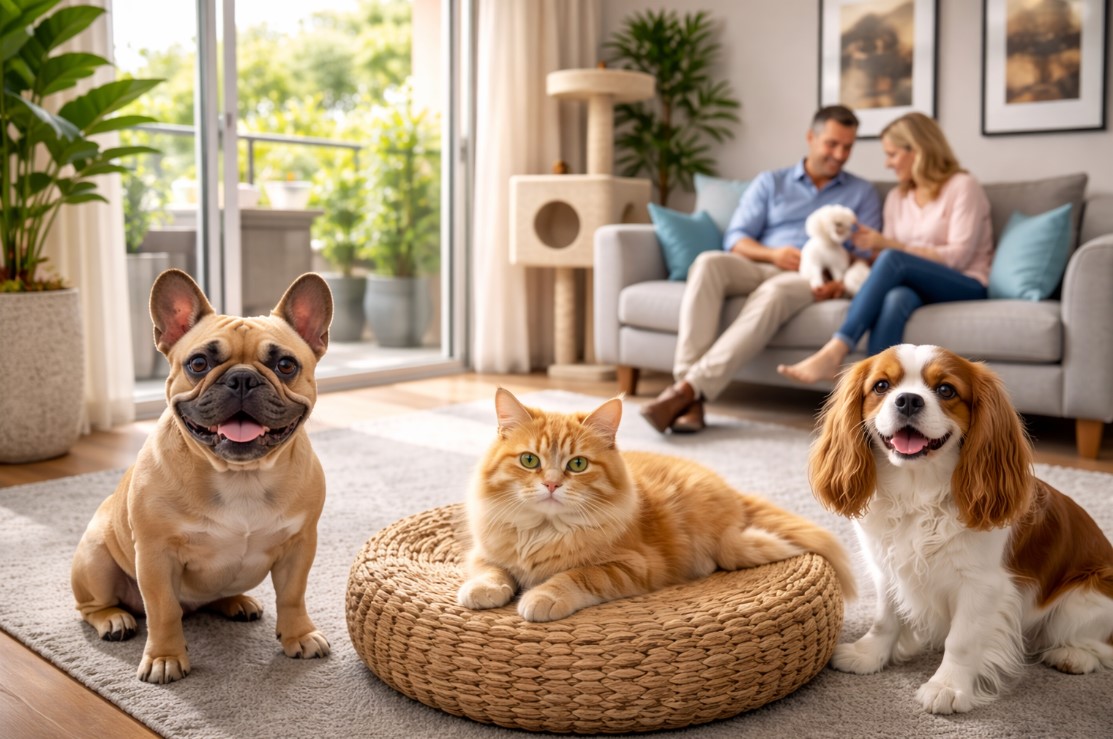
As more people choose apartment living with pets, many residential buildings are becoming more accommodating to animal owners. Proper litter box management is an important part of responsible pet ownership, especially in shared residential environments.
Many apartment communities now offer pet friendly accommodation, recognising that pets are an important part of modern households. Maintaining a clean and well-managed litter box helps ensure that both residents and their pets can enjoy apartment living comfortably.
Creating a Comfortable Home for Your Cat
A well-placed and properly maintained litter box helps create a positive environment for your cat. When cats feel comfortable using their litter box, they are less likely to develop unwanted behaviors or accidents around the apartment.
By choosing the right location, maintaining cleanliness, and using thoughtful space-saving solutions, cat owners can easily manage litter boxes even in small apartments.
With a little planning and daily care, apartment living with a cat can be clean, stress-free, and enjoyable for both pets and their owners.
As more people choose apartment living with pets, many residential buildings are becoming more accommodating to animal owners. Proper litter box management is an important part of responsible pet ownership, especially in shared residential environments. For many pet owners, cat care in small apartments involves creating practical spaces where litter boxes are discreet, clean, and easily accessible while still maintaining a comfortable living area for both pets and people.