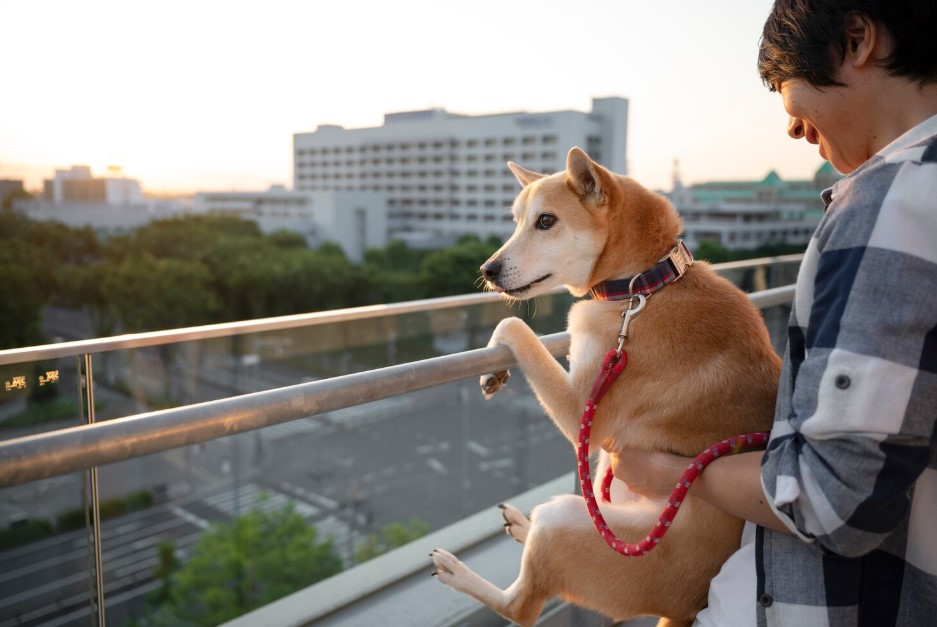
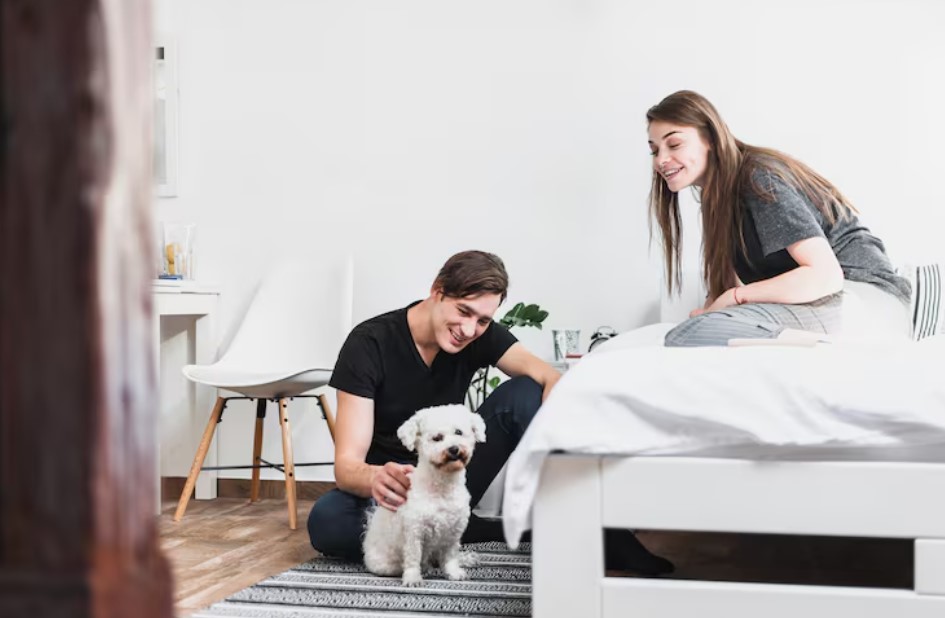
Living in a high-rise apartment can be exciting for humans, but for pets, it can sometimes be stressful. The sights, sounds, and heights of tall buildings, combined with limited outdoor access, can trigger anxiety in cats and dogs. Fortunately, with thoughtful strategies and a little planning, you can help your furry companion feel safe, secure, and happy in your high-rise home.
Understanding Pet Anxiety in High-Rises
Pets may experience anxiety in high-rise apartments due to several factors: unfamiliar sounds like elevators, sirens, and traffic, limited access to outdoor spaces, and even the feeling of being “trapped” indoors. Dogs may bark excessively or become destructive, while cats may hide or show signs of stress, such as over-grooming or aggression. Recognising these signs early is essential for addressing anxiety before it escalates.
Create a Safe Space
One of the most effective ways to reduce anxiety is to provide a safe, cozy space for your pet. A designated area with a bed, toys, and familiar scents can help them feel secure. For cats, consider a high perch or enclosed cat tree where they can observe their surroundings from a safe vantage point. Dogs may benefit from a quiet corner with blankets and calming toys where they can retreat when feeling stressed.
Use Sound and Smell to Calm
High-rise apartments can amplify outside noises, which can unsettle pets. White noise machines or soft music can help mask disturbing sounds. Additionally, calming scents, such as pheromone diffusers or sprays designed for pets, can create a soothing environment. These simple adjustments can make your apartment feel like a safe haven rather than a source of anxiety.
Exercise and Mental Stimulation
Physical and mental activity is critical for reducing anxiety. Dogs in high-rise apartments may need extra walks or trips to nearby parks to burn off energy and relieve stress. For cats, interactive toys, puzzle feeders, and vertical climbing structures can keep them engaged and mentally stimulated. Regular playtime not only reduces anxiety but also strengthens the bond between you and your pet.
Gradual Exposure to Heights and Noises
If your pet shows fear of windows, balconies, or outdoor sounds, gradual exposure can help. Start by allowing them to observe from a safe distance, rewarding calm behaviour with treats or affection. Over time, they will associate these previously intimidating experiences with positive reinforcement, helping to reduce anxiety in the long term.
Maintain a Consistent Routine
Pets thrive on routine, and high-rise living is no exception. Consistent feeding times, walks, and play sessions provide a sense of predictability that can reduce stress. Even small gestures, like greeting your pet the same way each day or maintaining a consistent bedtime, can create a calming environment.
Avoid Unsafe Practices
Balconies in high-rise apartments can pose dangers for anxious pets. Ensure that screens or barriers are secure, and never leave your pet unattended on a balcony. For dogs, avoid using the elevator as a punishment or source of stress; instead, pair elevator rides with treats and positive experiences. A safe environment is crucial for reducing anxiety and preventing accidents.
Consider Professional Support
For pets with persistent anxiety, professional help may be necessary. Veterinarians can recommend anxiety-reducing interventions, including behavioural training, pheromone therapy, or, in some cases, medication. Pet behaviourists can provide tailored strategies to address your pet’s specific fears and help them adapt to high-rise living.
Make Your Apartment Pet-Friendly
High-rise apartments can still be enjoyable for pets if you make the space engaging and comfortable. Consider multi-level cat trees, cozy dog beds, or window perches. Even small adjustments, such as creating visual access to outdoor scenes or providing interactive toys, can make your apartment feel like a stimulating and safe environment. For those seeking pet-friendly accommodation, prioritising apartments with balconies, nearby parks, or pet amenities can make a huge difference in reducing anxiety.
Conclusion
High-rise living doesn’t have to mean stress for your pet. By understanding the sources of anxiety and implementing thoughtful strategies, you can create a calm, happy environment that suits both you and your furry companion. Safe spaces, consistent routines, regular exercise, and mental stimulation are key elements in helping pets adapt to tall buildings. With patience and care, your high-rise apartment can be a sanctuary where both you and your pet thrive.