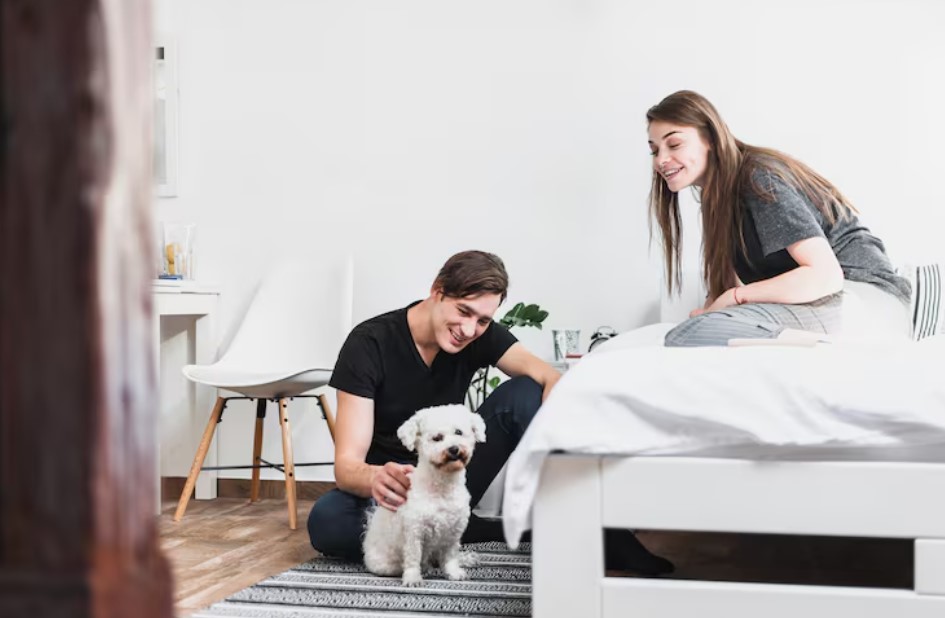
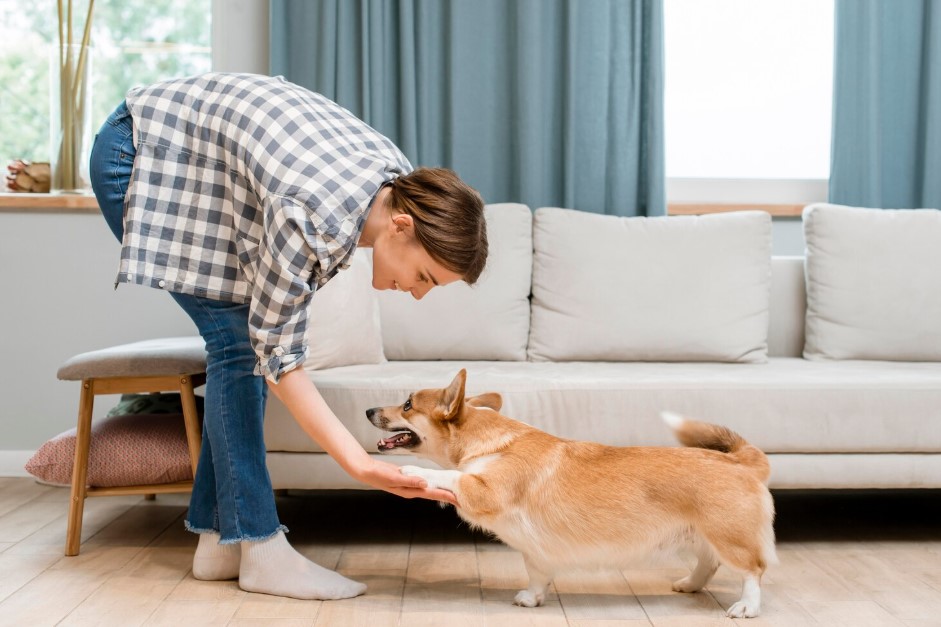
Bringing a new pet into an apartment can be an exciting and rewarding experience. Whether it’s a playful puppy, a curious kitten, or a small companion animal, adjusting to apartment living requires careful planning. Unlike homes with yards or open spaces, apartments have limited room and shared walls, which can present unique challenges for both pets and owners. Proper preparation and thoughtful introductions can help your new companion settle in comfortably, creating a happy and harmonious living environment.
1. Prepare Your Apartment in Advance
Before bringing your new pet home, it’s important to make your apartment safe and welcoming. Remove or secure items that could be hazardous, such as cords, breakable decorations, or toxic plants. Designate a specific area as your pet’s personal space—this could be a corner with a bed, crate, or cage where they can feel secure.
Having a defined area gives your pet a sense of stability, especially in a new and potentially overwhelming environment. Stock the space with essentials like food and water bowls, toys, and bedding. If you’re in a pet-friendly apartment, take advantage of building rules that allow modifications such as baby gates or small partitions to help contain your pet safely.
2. Establish a Routine Early
Routine is key to helping pets adjust to apartment living. Feeding, walks, playtime, and bathroom breaks should occur at consistent times each day. For dogs, regular walks provide both exercise and an opportunity to explore outside safely, reducing boredom and destructive behaviour indoors. For cats or small pets, scheduled play and interaction sessions help them feel secure and stimulated.
Consistency reassures pets, reducing anxiety in a confined space. The sooner you establish routines, the quicker your new companion will understand expectations and adapt to apartment life.
3. Introduce the Space Gradually
Instead of allowing your pet to roam freely throughout the apartment immediately, introduce them gradually. Start with a single room or a designated safe zone, letting them explore at their own pace. Gradually expand access to other areas as they become comfortable. This approach prevents overwhelming your pet, reduces stress, and allows you to monitor behaviour and safety more effectively.
For cats, provide vertical spaces such as shelves or cat trees where they can observe their surroundings from a safe vantage point. For dogs, ensure open spaces are clear of hazards and secure any areas where they could get stuck or cause damage.
4. Socialise Carefully
Apartments often involve close proximity to neighbours and other pets. Introduce your new pet to their new environment in stages. If you have neighbours with pets, allow gradual exposure under supervision. Positive interactions and controlled introductions prevent fear or aggressive behaviours.
For dogs, leash training is essential in shared spaces like hallways or elevators. For cats, keeping them in a quiet room initially helps them acclimate to new sounds and scents without stress.
5. Provide Mental and Physical Stimulation
Limited space in apartments can make it challenging for pets to expend energy. Providing toys, scratching posts, climbing structures, or puzzle feeders helps keep your pet engaged and prevents boredom. Regular play sessions strengthen your bond while offering both mental and physical exercise.
For high-energy dogs, daily walks or visits to nearby dog parks are essential. Cats benefit from interactive toys, window perches, and short play sessions to satisfy hunting instincts. Engaged pets are happier and less likely to develop behavioural issues in compact living areas.
6. Minimise Stress and Encourage Positive Associations
New environments can be stressful for pets. Encourage positive associations by offering treats, praise, and attention when they explore their new space calmly. Avoid punishment, which can increase anxiety and slow adjustment. Using pheromone sprays or calming blankets can also help pets feel more secure during the transition period.
Background noise, such as soft music or a radio, can help mask unfamiliar apartment sounds like elevators or neighbour activity, reducing stress for sensitive pets.
7. Establish Boundaries Early
Setting boundaries from the start helps prevent issues later. Teach pets which areas are off-limits and establish consistent rules for furniture, sleeping areas, and behaviour. Consistency and positive reinforcement help pets understand expectations and make apartment living easier for both pets and owners.
For multiple pets, designate separate areas to prevent territorial disputes and ensure everyone has their own safe space.
8. Monitor Health and Safety
New environments can reveal sensitivities or health concerns. Monitor your pet for signs of stress, allergies, or discomfort. Ensure food and water are accessible, and that temperature and ventilation are appropriate for their needs. Regular check-ups with a veterinarian are crucial, especially during the adjustment period.
Conclusion
Introducing a new pet to apartment living requires preparation, patience, and consistency. By creating safe zones, establishing routines, and gradually introducing your pet to their new space, you can reduce stress and promote a smooth transition. Mental and physical stimulation, careful socialisation, and consistent boundaries ensure your companion feels secure and happy, even in a compact environment.
Whether you live in a pet-friendly apartment or a smaller studio, thoughtful planning makes all the difference. With time, patience, and attention to your pet’s needs, apartment living can be a joyful and enriching experience for both pets and owners, creating a harmonious home for everyone from check-in to bedtime.