Moving into an apartment can be a major adjustment for pets, particularly if they are accustomed to a larger home, backyard or quieter neighbourhood. New sounds, unfamiliar smells, lifts, shared hallways and less outdoor space can initially make apartment life confusing or stressful.
Fortunately, pets can adapt well to apartment living when their physical and emotional needs are considered. Whether you are relocating permanently or staying in a furnished apartment for several months, a little preparation can make the transition easier for everyone.
Introduce the New Environment Gradually
When you first arrive, avoid overwhelming your pet with the entire apartment at once. Allow them to become familiar with a smaller, quiet area containing their bed, food, water and favourite toys.
For cats, providing a safe hiding place can be especially helpful. Dogs may benefit from having their usual bed or blanket nearby. Familiar objects carry recognisable scents and can provide reassurance while everything else feels new.
Gradually introduce other rooms as your pet becomes more confident. Some animals may explore immediately, while others need several days to feel comfortable.
Maintain Familiar Routines
Pets often rely on predictable routines. Feeding, walking, playtime and bedtime should remain as consistent as possible after moving.
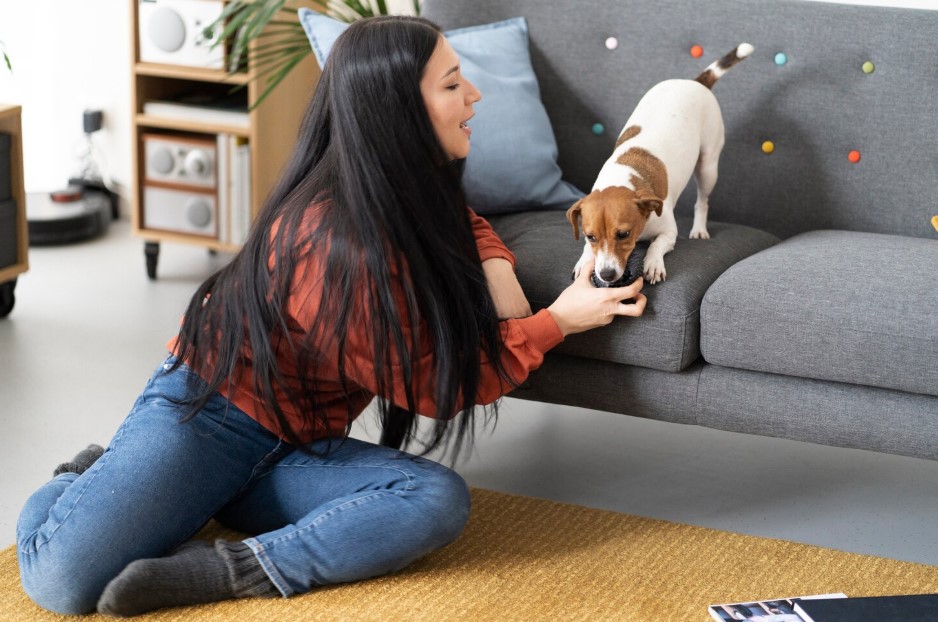
For dogs, maintaining regular walks can help them become familiar with their new neighbourhood while providing exercise and mental stimulation. Cats should continue to have predictable feeding and play schedules, particularly if they will now spend more time indoors.
If you have moved across time zones or significantly changed your daily schedule, introduce changes gradually where practical rather than altering every part of your pet's routine immediately.
Create a Dedicated Space for Your Pet
Even in a compact apartment, pets benefit from having a place they can recognise as their own. It does not need to be an entire room. A comfortable bed in a quiet corner may be enough for a dog, while cats often appreciate a combination of hiding spaces and elevated areas.
Keep food and water in an accessible location away from heavy foot traffic. For cats, litter trays should be positioned somewhere private and convenient, and they should be cleaned regularly.
Creating this dedicated area also gives pets somewhere to retreat when visitors arrive or unfamiliar noises occur elsewhere in the building.
Choose Accommodation That Works for the Whole Family
For households travelling together, finding pet-friendly accommodation for families involves more than checking whether animals are permitted. Consider the apartment's size and layout, access to suitable outdoor areas, nearby walking routes and whether there is enough space for both family members and pets to maintain comfortable routines.
It is also important to check individual property and building rules before booking. Some apartments may restrict the number, type or size of pets, while others may require additional cleaning fees or approval before arrival. Knowing these conditions in advance can prevent unexpected problems during your stay.
Research Pet Policies Before Booking Through Airbnb
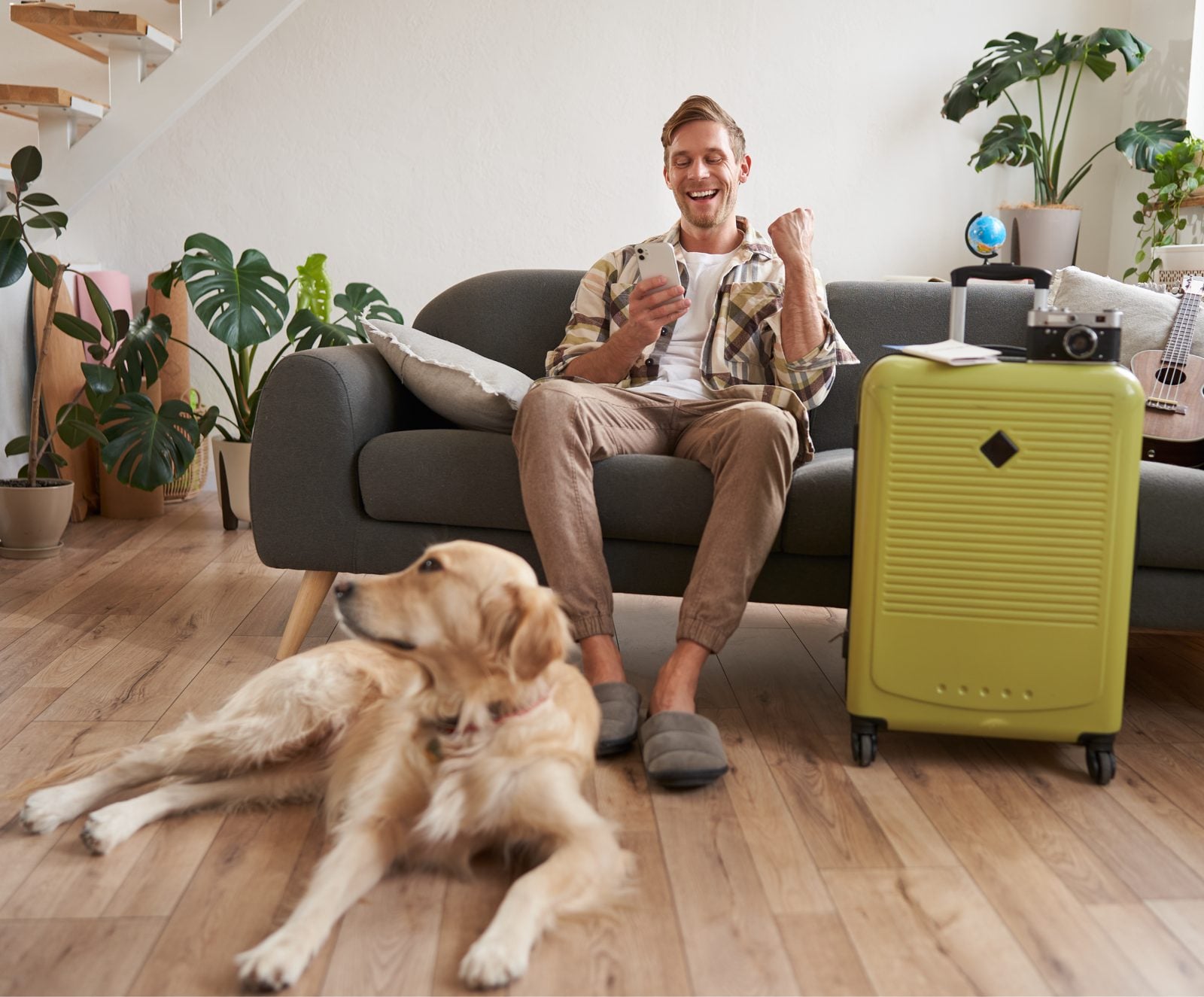
Travellers using Airbnb or another short-stay booking platform should carefully review the individual property's pet conditions rather than assuming that every listing marked as pet-friendly follows the same rules. Hosts may have different requirements regarding additional charges, furniture, unattended pets or the number of animals permitted.
For longer stays, contact the accommodation provider or host before booking if anything is unclear. It can also be helpful to ask about nearby parks, secure outdoor spaces and building access arrangements, particularly when travelling with a dog.
Help Your Pet Adjust to Apartment Sounds
Apartment buildings introduce noises that pets may not have encountered before. Neighbours walking through hallways, doors closing, lifts operating and voices from nearby apartments can attract attention.
Dogs may initially bark at these unfamiliar sounds. Rather than punishing the behaviour, work on helping them become accustomed to everyday building noises. Rewarding calm behaviour and providing toys or other distractions can help.
Background sound, such as a television or quiet music, may also reduce the impact of sudden noises for some pets.
Provide Enough Exercise and Stimulation
Limited floor space does not necessarily mean a pet cannot get enough activity. The key is providing appropriate physical exercise and mental stimulation.
Dogs can benefit from regular walks, training sessions and interactive toys. If suitable areas are available nearby, longer walks can provide opportunities to explore new surroundings.
Indoor cats need stimulation too. Scratching posts, climbing structures, puzzle feeders and interactive toys can encourage natural behaviours. Rotating toys periodically may also help maintain interest.
Make Balconies and Windows Safe
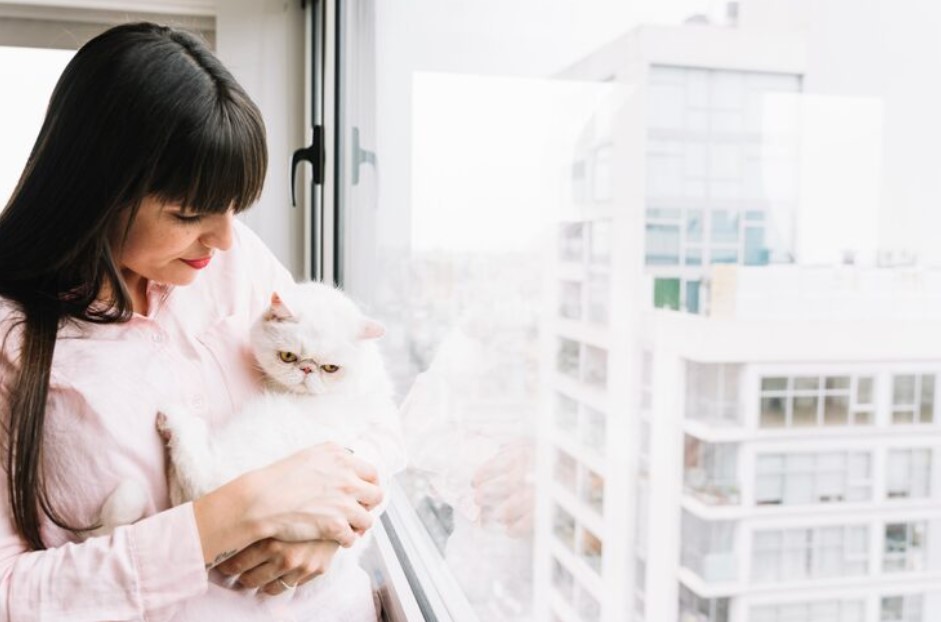
Safety should be a priority in high-rise and apartment environments. Never assume a cat or dog understands the risks associated with an open balcony or elevated window.
Check that windows are secure and consider appropriate barriers or screening where necessary. Balcony access should be carefully managed, particularly for curious cats and small dogs that may be able to fit through gaps.
Owners should also avoid leaving pets unattended on balconies, especially during hot, cold or windy weather.
Be Considerate of Your Neighbours
Successful apartment living means sharing a building with other residents. Not everyone will be comfortable around animals, so responsible pet ownership is important.
Keep dogs controlled in shared spaces, clean up after them and follow building rules regarding lifts and common areas. Excessive barking or other persistent noise should be addressed early rather than allowed to become an ongoing issue.
Give Your Pet Time
Perhaps most importantly, be patient. Every pet adjusts differently. One dog may settle into apartment life within a day, while another may need several weeks. Cats can be equally individual in their responses to a new environment.
Maintain familiar routines, provide appropriate exercise and create a secure place where your pet can relax. By combining preparation with patience and consistency, apartment living can become comfortable and enjoyable for both pets and their owners.