In the past decade, the landscape of pet ownership has experienced a significant transformation, particularly within urban environments. As more people gravitate toward city living—drawn by job opportunities, cultural amenities, and public transit—our relationships with animals have also adapted. City dwellers are redefining what it means to have pets, blending modern lifestyles with the enduring human desire for companionship. This dynamic shift highlights changes in pet ownership motivations, housing needs, social behaviours, and consumer spending, all shaped by the unique challenges and benefits of urban life.
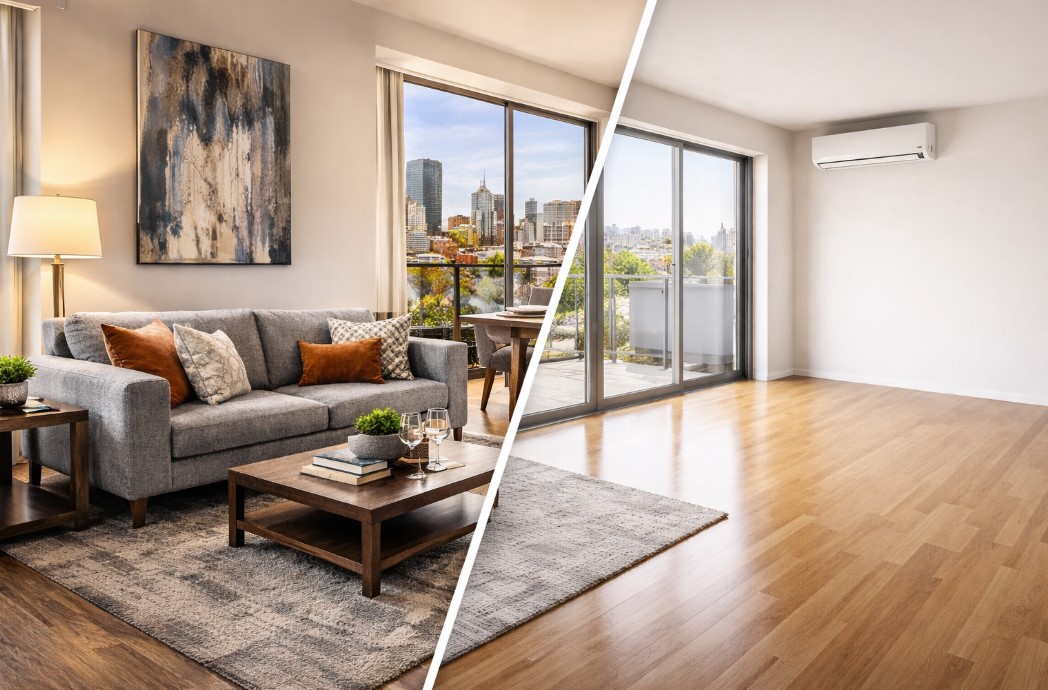
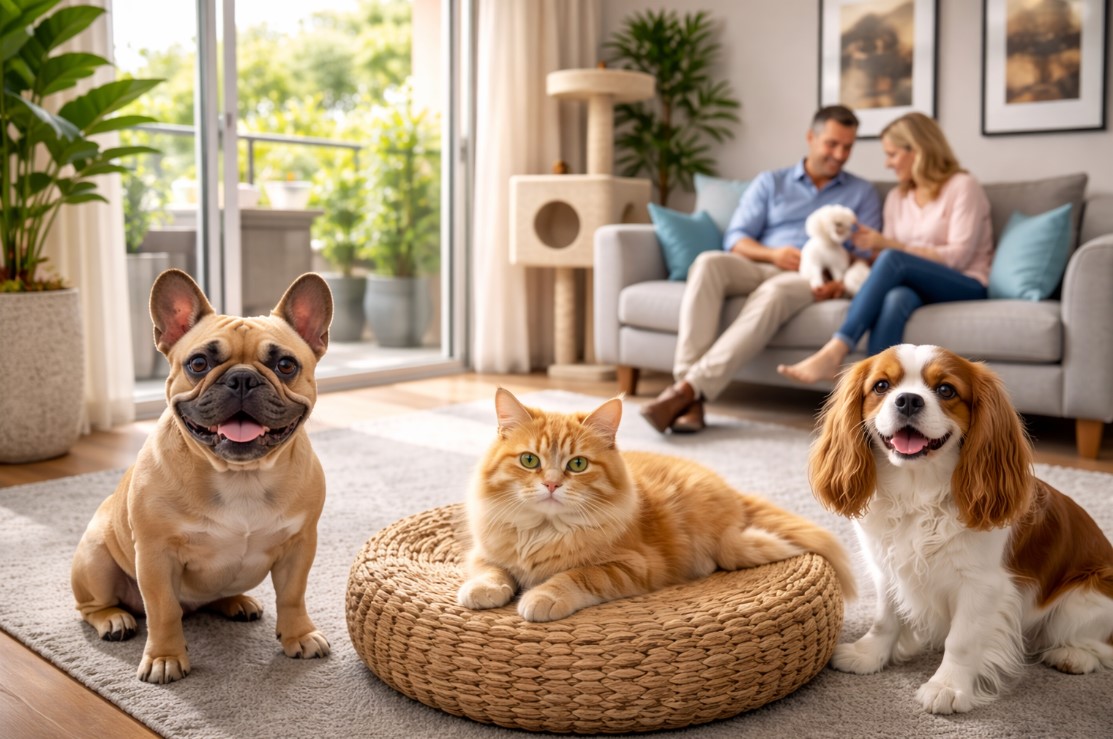
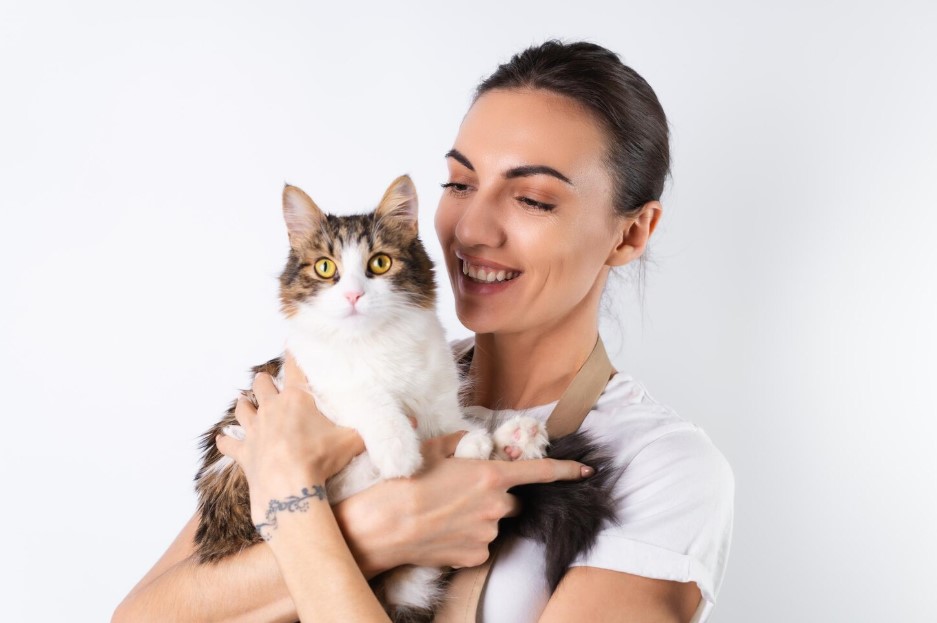
One of the most visible trends in urban pet ownership is the rising number of city residents choosing to adopt dogs and cats. Traditionally, pet ownership was more common in suburban and rural areas where larger homes and outdoor spaces made it easier to care for animals. However, with the increase in high-rise apartments and compact living spaces, city dwellers are finding creative ways to accommodate pets. Smaller dog breeds, which require less space and are better suited to apartment living, have surged in popularity. Similarly, cats—known for their adaptability to indoor environments—remain a favourite in metropolitan households.
This shift is not merely a matter of preference; it’s a response to practical realities. Urban residents often face time constraints and demanding schedules, yet still crave emotional support and companionship. Pets offer stress relief, reduce feelings of loneliness, and encourage more active daily routines. Studies have shown that dog owners, for example, tend to engage more in physical activity due to regular walks—a benefit that aligns well with urban living, where exercise options might otherwise be limited to gyms or indoor classes.
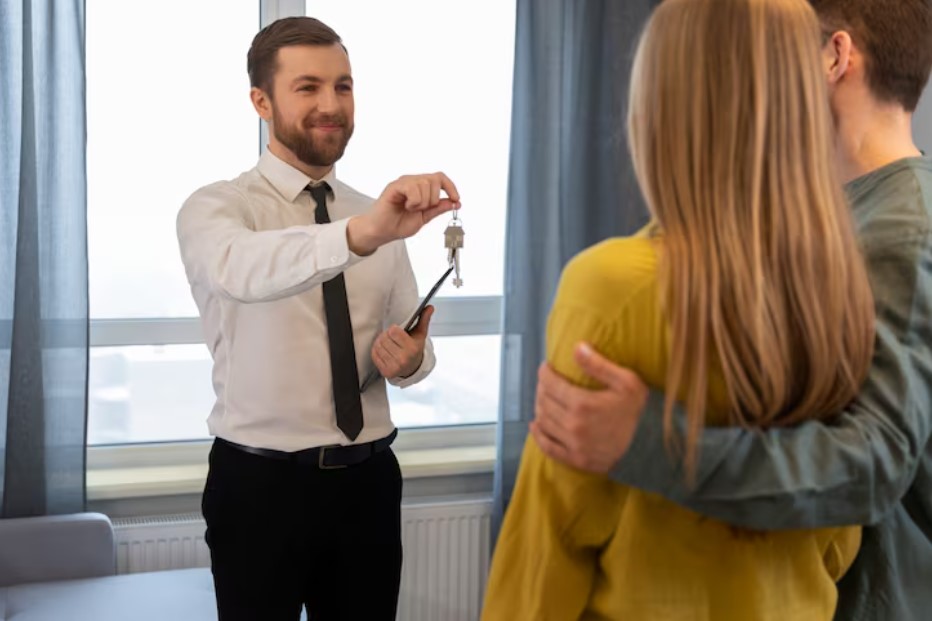
The growing bond between city dwellers and their pets has also influenced the housing market. Property developers and landlords are increasingly recognising that pet-friendly accommodation is a significant draw for urban renters and buyers. In response, many new residential buildings now include amenities designed for pet owners—dedicated dog parks, grooming stations, pet washing areas, and even on-site veterinary services. These features cater not only to the needs of pets but also to the lifestyle expectations of their owners, making pet-friendly spaces a competitive advantage in the housing market.
For instance, some urban residential complexes now provide designated pet zones where dogs can socialise and play off-leash, and some even offer partnerships with nearby pet care services. Such developments reflect a broader acceptance of pets as integral members of urban families. Pet-friendly accommodation has become more than just a “nice-to-have”—it’s a key consideration for many renters and buyers who refuse to compromise on housing because of their animal companions.
Technology is another force reshaping pet ownership in cities. From smart feeders and automated litter boxes to GPS-enabled collars and telehealth services for pets, innovations are helping urban pet owners manage care with greater ease. Mobile apps now connect pet owners with on-demand services such as dog walking, pet sitting, and grooming at home. These digital tools are particularly valuable in cities where busy schedules and limited free time make traditional care arrangements more challenging.
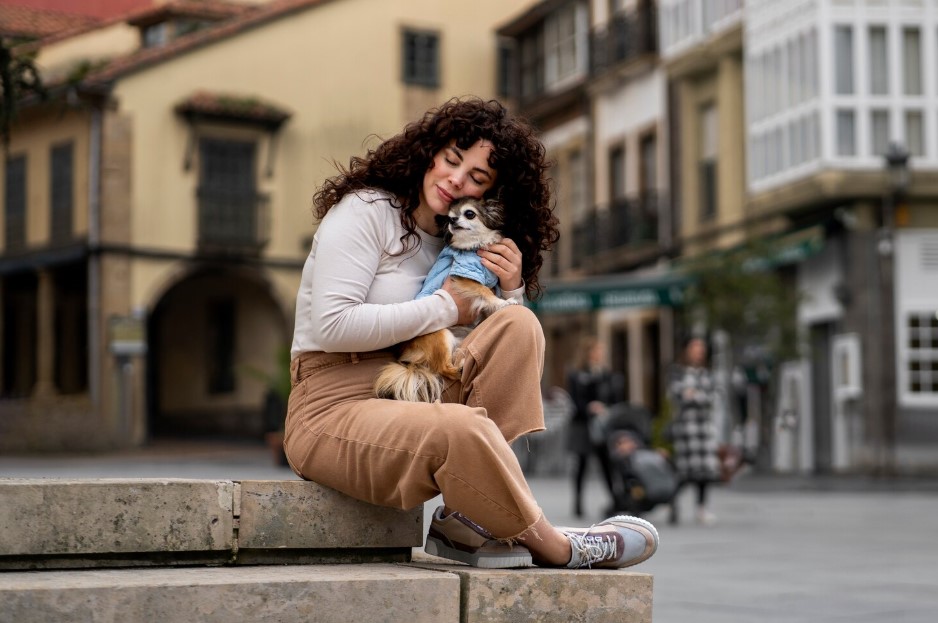
Social behaviour and community engagement around pets have also evolved. Urban parks, sidewalk cafés, and community events increasingly accommodate pets, transforming them into vibrant social hubs. Dog-friendly meetups, pet adoption fairs, and “yappy hours” at local establishments promote social interaction among pet owners, fostering a sense of community in environments that might otherwise feel isolating. In many cities, it’s not uncommon to see pups lounging beside their humans at outdoor cafés, reinforcing the idea that pets are welcome participants in urban culture.
However, the trend of urban pet ownership is not without challenges. Limited space, noise restrictions, and the high cost of living can complicate responsible pet care. Some apartment complexes impose strict size or breed restrictions, and outdoor areas for exercise are often scarce. Additionally, the financial burden of veterinary care, food, and specialised services can be steep in metropolitan regions. Prospective pet owners must carefully consider these factors to ensure they can provide a healthy and fulfilling life for their animals.
Despite these challenges, many urban residents view pet ownership as enriching and worth the effort. For singles and families alike, pets offer emotional grounding and daily routines, fostering stability amidst the fast pace of city life. In multi-generational households, pets can bridge age gaps, offering comfort to older adults while teaching responsibility to younger family members.
Another interesting shift is the increasing adoption of non-traditional pets in urban settings. Smaller mammals, birds, and even reptiles are becoming more common among city dwellers who seek companionship but are constrained by space and lifestyle. While these pets may require less physical space than larger animals, they still benefit from thoughtful care and environmental enrichment that city owners are learning to provide.
Ultimately, the rise of urban pet ownership reflects broader cultural changes in how we define family and companionship. Pets are no longer seen simply as animals requiring care; they are companions, stress-relievers, and sometimes even emotional support animals recognised for the mental health benefits they provide. Cities, in turn, are adapting to this reality by reshaping housing options, technology solutions, social spaces, and community norms to be more inclusive of animal companions.
The future of pet ownership in urban environments is likely to continue evolving as cities grow and lifestyles change. With greater awareness of the needs of pets and an increasing emphasis on well-being, urban planners, communities, and pet owners themselves will play a pivotal role in ensuring that city living remains compatible with happy, healthy animals. Whether through innovative housing designs, community initiatives, or new technologies, the bond between city residents and their pets will shape not only individual lives but the very fabric of urban culture.