Moving to a new apartment can be exciting for people, but for pets, it can feel confusing and stressful. Animals rely heavily on familiar scents, routines, and surroundings, so a sudden change in environment may leave them feeling anxious or unsettled. Whether you’re moving across the city or relocating to a completely new area, helping your pet adjust to the new space is an important part of ensuring a smooth transition.
With patience, preparation, and a few simple strategies, pets can quickly adapt to their new environment and begin to feel comfortable in their new home.
Prepare a Safe Space for Your Pet
When you first arrive at your new apartment, it’s helpful to create a designated area where your pet can feel secure. This space should include familiar items such as their bed, toys, food bowls, and blankets. Having these recognisable items nearby can provide comfort and reassurance during the transition.
For dogs and cats, a quiet corner or a specific room can serve as a temporary safe zone while they gradually explore the rest of the apartment. Avoid overwhelming them with too much space all at once. Allowing them to adjust gradually helps reduce anxiety and gives them time to become familiar with new smells and sounds.
Maintain Familiar Routines
Pets thrive on routine. Feeding times, walks, play sessions, and bedtime schedules create a sense of predictability that helps animals feel secure. After moving, try to maintain the same daily schedule your pet had before the move.
For dogs, this means keeping regular walking times and exercise routines. Cats may benefit from consistent feeding schedules and familiar play activities. By keeping these routines steady, pets can feel reassured that while their surroundings have changed, their daily life remains stable.
Introduce the Apartment Gradually
Allow your pet to explore the new apartment at their own pace. Instead of giving them access to every room immediately, introduce the space gradually. Start with one room and slowly expand their access as they grow more comfortable.
Cats often prefer slow exploration and may spend time hiding while they adjust. This behaviour is normal and should not be forced. Provide hiding spots such as boxes, cat beds, or quiet corners where they can retreat if they feel overwhelmed.
Dogs may be more eager to explore, but they also benefit from gradual introductions to new environments. Supervising their exploration ensures they do not become overstimulated or encounter hazards.
Pay Attention to New Sounds and Smells
Apartments often have different sounds compared to houses. Neighbours walking in hallways, elevators, distant conversations, or traffic noise can all be unfamiliar to pets. These sounds may cause initial anxiety.
Spend time with your pet during the first few days so they associate these new sounds with a safe and calm environment. Speaking softly, offering treats, and engaging in gentle play can help them feel reassured.
Allowing pets to investigate new smells in the apartment is also important. These scents help them understand their new territory and gradually establish a sense of familiarity.
Help Dogs Learn Their New Walking Routes
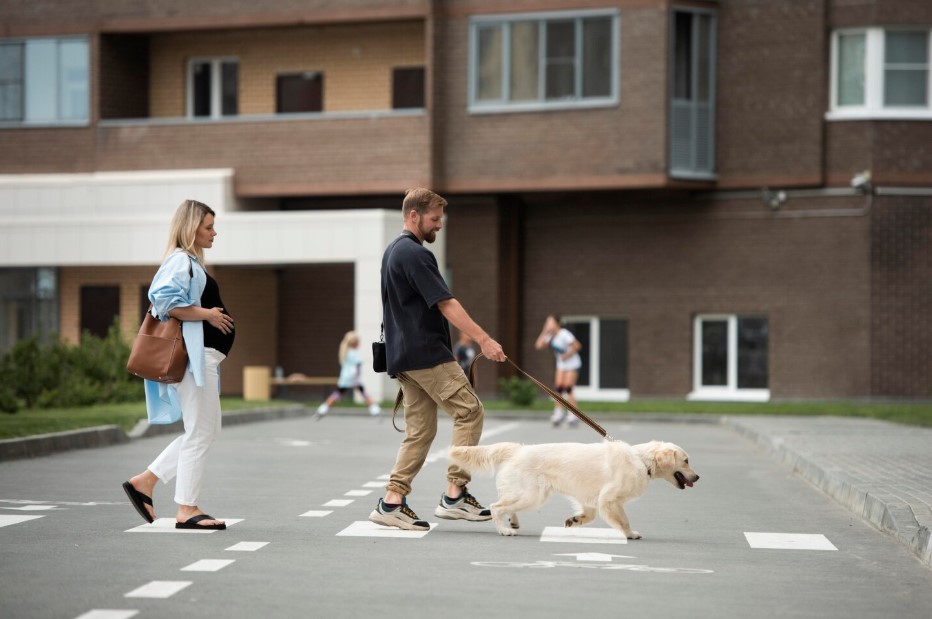
For dogs, adjusting to a new neighbourhood is just as important as adjusting to the apartment itself. Take your dog on regular walks around the area so they can become familiar with nearby streets, parks, and walking paths.
Exploring the neighbourhood helps dogs build confidence in their new surroundings. It also provides an opportunity to discover suitable places for exercise and bathroom breaks.
Try to keep early walks calm and relaxed. Avoid overly busy areas until your dog becomes comfortable with the environment.
Provide Extra Attention and Reassurance
Moving can be stressful for pets, so they may need extra attention during the first few days or weeks in a new apartment. Spending quality time together helps reassure them that they are safe and still part of the family.
Simple activities such as brushing, playing with toys, or sitting quietly together can help strengthen the bond between pet and owner during the transition.
If your pet shows signs of anxiety—such as excessive hiding, vocalising, or changes in appetite—be patient. These behaviours are usually temporary and improve as pets become familiar with their surroundings.
Pet-Friendly Apartment Living
More residential buildings today are designed with animals in mind. Access to nearby parks, walking areas, and pet-friendly facilities can help pets adjust more easily to apartment life.
Choosing pet-friendly accommodation can make a significant difference for both pets and their owners. Apartments that welcome pets often provide environments where animals are more comfortable and where neighbours are accustomed to living alongside pets.
Be Patient During the Adjustment Period
Every pet adjusts to a new home at a different pace. Some animals may settle in within a few days, while others may take several weeks to fully relax in their new surroundings.
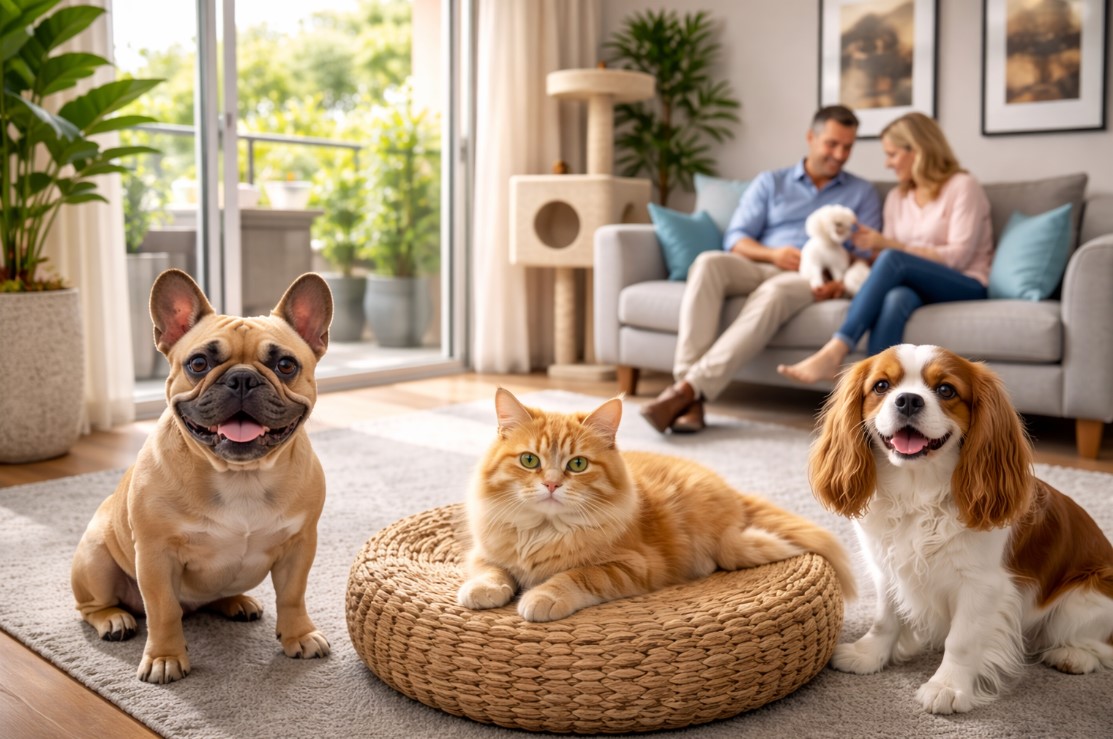
Patience is key during this transition. By providing comfort, maintaining routines, and allowing pets to explore gradually, owners can help their furry companions adapt successfully to their new apartment.
With time, the unfamiliar space will become a place of comfort and security. Once pets establish their new routines and recognise the apartment as their home, they can enjoy the same sense of happiness and companionship that they brought to the previous one.