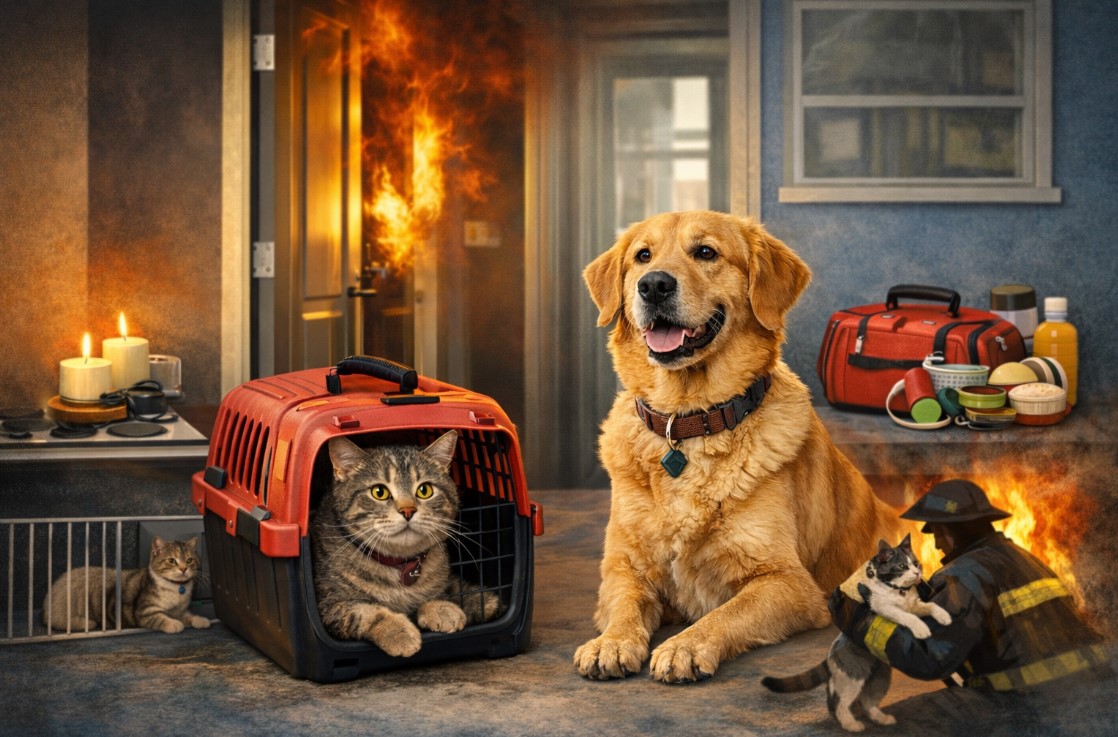
Living in an apartment offers many benefits for pet owners—from convenient locations and shared amenities to compact living spaces that are easy to maintain. However, apartment living also presents unique safety considerations, especially when it comes to protecting pets during emergencies such as fires. Unlike humans, pets cannot easily understand alarms or escape plans, which makes preparation essential. By implementing a few proactive safety measures, pet owners can help ensure their furry companions stay safe in the event of a fire.
Install and Maintain Smoke Detectors
Smoke detectors are one of the most important tools for fire safety in any home, including apartments. They provide early warnings that can save lives—both human and animal. Pet owners should make sure smoke alarms are installed in key areas such as the kitchen, hallways, and near sleeping areas.
Regularly test smoke detectors and replace batteries at least once a year. If your apartment building has a central alarm system, familiarise yourself with how it works and what the alarm sounds like. Pets can become frightened by loud noises, so knowing how they react can help you prepare a calmer evacuation plan.
Some modern smoke detectors even connect to smart home systems that send alerts to your phone. This feature can be particularly useful if a fire occurs while you are away from home and your pet is inside the apartment.
Create an Emergency Evacuation Plan
An evacuation plan is crucial for all apartment residents, but it becomes even more important when pets are involved. Identify at least two exits from your apartment, such as the main hallway and a fire escape or stairwell.
Practice locating and securing your pet quickly. In an emergency, pets may hide under furniture, beds, or inside closets. Knowing their typical hiding spots can save valuable time during an evacuation.
Keep pet carriers accessible near the exit of your apartment. If you have cats, small dogs, or other small animals, carriers allow you to transport them safely without risking escape during the evacuation. For larger dogs, a leash stored near the door can help you quickly guide them outside.
Use Pet Alert Stickers
Pet alert window decals can make a significant difference during emergencies. These stickers inform firefighters that animals are inside the apartment and indicate how many pets may need rescue.
Place these decals on windows or doors where emergency responders are likely to see them. Be sure to update the information if you add or rehome a pet. While firefighters always prioritise human life first, knowing pets are inside can help responders act more quickly once people are safe.
Reduce Fire Hazards in Your Apartment
Preventing fires is just as important as preparing for them. Apartment fires often start due to unattended cooking, faulty electrical equipment, or open flames.
Pet owners should take extra care to remove hazards that curious animals may accidentally trigger. For example, dogs or cats may knock over candles, chew electrical cords, or jump onto stovetops.
Consider using flameless LED candles instead of traditional ones. Secure loose cords and avoid leaving cooking appliances unattended. Stove knob covers can also prevent pets from accidentally turning on burners when they jump onto kitchen counters.
Additionally, avoid placing pet beds too close to heaters or electrical outlets, as these can pose fire risks.
Keep Pets Secure When You Are Away
Many fires occur when residents are not home. If pets roam freely around the apartment while you are out, they could unintentionally start a fire by knocking over appliances or activating electronics.
When leaving the apartment for extended periods, consider keeping pets in a safe area or room that has minimal fire hazards. Remove items such as candles, heating pads, or portable heaters from that space.
This is particularly important in pet-friendly accommodation, where multiple apartments and shared building systems mean that fires can spread more quickly if safety precautions are not followed.
Store Emergency Supplies for Your Pets
Emergency preparedness should also include supplies specifically for your pets. A small emergency kit can make evacuation and temporary relocation much easier.
Consider preparing a pet emergency bag that includes:
- A leash or harness
- A collapsible water bowl
- A small supply of food
- Copies of vaccination records
- Medications, if your pet requires them
- A comfort item, such as a favourite toy or blanket
Store this kit near your apartment exit so it can be grabbed quickly during an evacuation.
Microchip and Identify Your Pets
In the chaos of an emergency, pets can become separated from their owners. Ensuring your pet has proper identification increases the chances of a safe reunion.
Microchipping is one of the most reliable forms of identification. Make sure the microchip registration information is up to date with your current contact details. Additionally, attach an ID tag with your phone number to your pet’s collar.
If a pet escapes during a fire evacuation, responders or neighbours will have a better chance of returning them safely.
Final Thoughts
Fire safety in apartment living requires preparation, awareness, and preventative action—especially for pet owners. By installing working smoke detectors, planning evacuation routes, reducing fire hazards, and preparing emergency supplies, residents can significantly improve the safety of their pets.
Our pets rely entirely on us for protection, particularly during emergencies they cannot understand. Taking a few simple steps today can make a life-saving difference tomorrow, ensuring that both you and your beloved companions remain safe and secure in your apartment home.