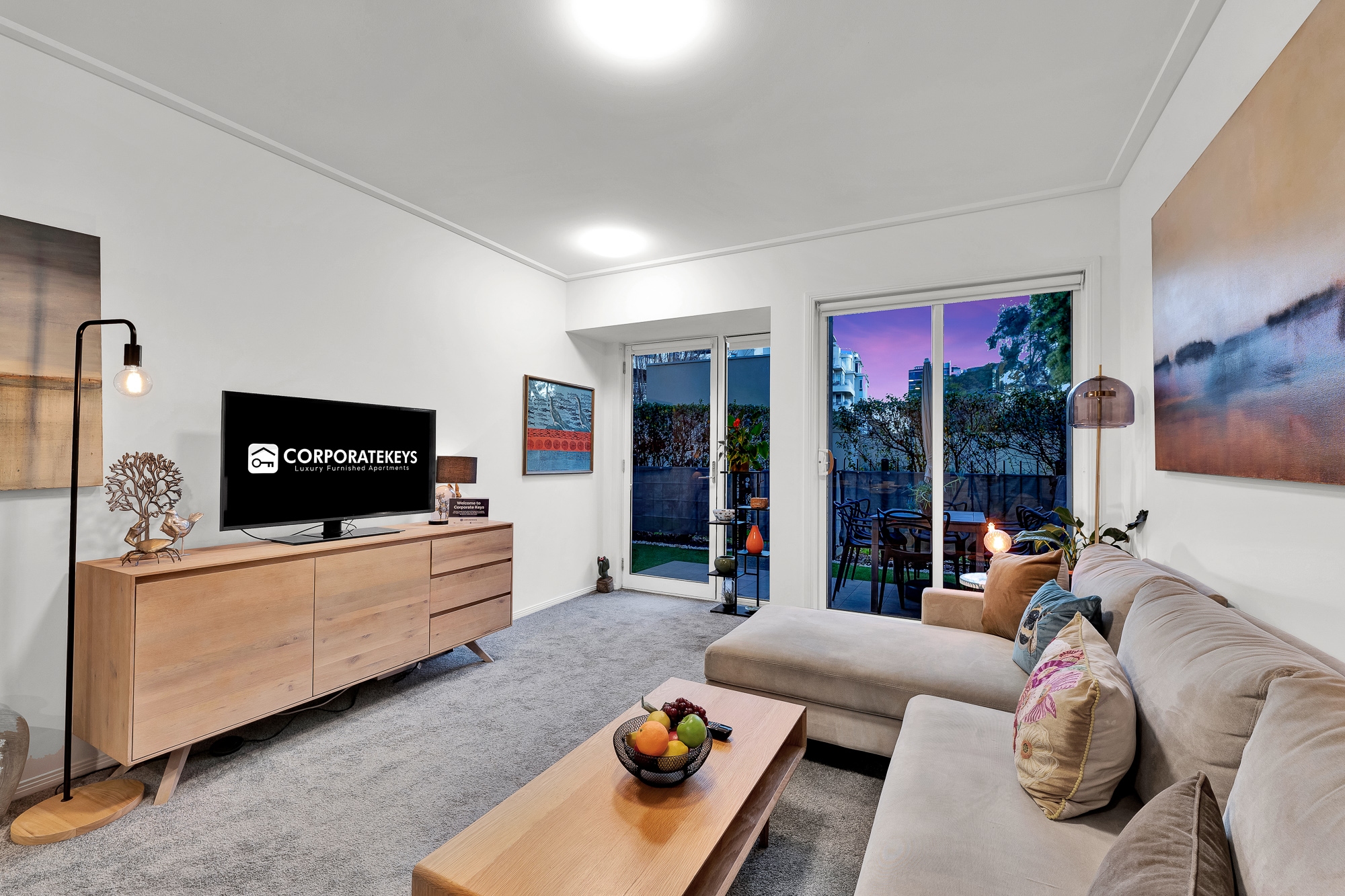
Living in a compact apartment doesn’t mean your pets have to compromise on comfort, safety, or well-being. For pet owners, creating a designated safe zone within a small living space is essential for both the pet’s security and your peace of mind. A thoughtfully designed area provides your furry friend with a sense of stability, reduces stress, and helps prevent accidents in confined spaces. Whether you live in a studio, a one-bedroom apartment, or a shared urban residence, there are several strategies to create a safe and enjoyable environment for your pets.
1. Understanding Your Pet’s Needs
The first step in creating a safe zone is understanding your pet’s specific needs. Dogs, cats, rabbits, and small rodents have very different requirements in terms of space, stimulation, and security. Observe how your pet behaves in your living area: where do they naturally gravitate to rest, hide, or play? For example, cats often prefer elevated spaces, while dogs enjoy open areas where they can stretch out comfortably.
By identifying these preferences, you can tailor a designated safe zone that aligns with your pet’s instincts, providing comfort and reducing anxiety in compact living areas.
2. Designating a Specific Area
Even in small apartments, setting aside a dedicated corner or section as a pet-safe zone can make a big difference. Use furniture, baby gates, or playpens to define the space. Ensure the area is free from hazards like exposed wires, fragile décor, or toxic plants. A safe zone should include your pet’s essentials: a comfortable bed, water and food bowls, toys, and, if needed, litter boxes or cages.
Consistency is key. Encourage your pet to use the space regularly by spending time there with them and rewarding calm behaviour. Over time, the area becomes associated with safety, rest, and positive experiences.
3. Maximising Vertical and Hidden Spaces
Compact apartments often lack floor space, but vertical areas and hidden spots can be utilised creatively. Cats, for instance, love perches, shelves, or cat trees that allow them to observe their surroundings safely. Small dogs or rabbits may benefit from enclosed crates or elevated beds that give them a sense of security.
When designing vertical or hidden spaces, ensure they are stable, easily accessible, and free from sharp edges. This approach not only maximises your apartment’s layout but also gives your pets more freedom without compromising safety.
4. Creating a Calm Environment
Noise and high activity levels can stress pets, especially in compact living spaces. A safe zone should be a calm retreat, away from loud appliances, frequent foot traffic, or other stressors. Soft lighting, soothing sounds, and familiar scents can make the area more inviting. Using pet-safe pheromone diffusers or calming blankets can also help reduce anxiety, particularly for pets prone to nervousness or separation anxiety.
A dedicated, calm environment ensures that your pet can rest, recharge, and feel secure, even when the rest of the apartment is bustling.
5. Incorporating Interactive Elements
Pets need mental stimulation to stay happy, and this is especially important in small spaces where roaming is limited. Incorporate interactive toys, puzzle feeders, scratching posts, or chew items into the safe zone. These tools prevent boredom, encourage healthy activity, and reduce destructive behaviour caused by confinement.
For apartment dwellers, even a small area can provide ample opportunities for engagement. Rotating toys regularly keeps the environment fresh and exciting for your pet.
6. Safety First: Securing the Space
Safety is a top priority. Ensure that cords, cleaning products, or other potentially hazardous items are out of reach. Avoid small objects that pets might swallow, and check for spaces where they could get stuck or injured. If you have multiple pets, monitor interactions to prevent territorial disputes within confined zones.
In pet-friendly apartments, management rules often allow for modifications like gates or partitions to create safe zones, so take advantage of these possibilities while staying compliant with building policies.
7. Encouraging Positive Use
A safe zone works best when your pet chooses to use it voluntarily. Positive reinforcement is key. Encourage pets to enter the space by offering treats, praise, or brief play sessions. Avoid forcing them into the area, as this can create negative associations. Over time, your pet will naturally retreat to this zone for rest, comfort, or play, making it a cornerstone of their daily routine.
8. Maintaining Cleanliness and Hygiene
In a compact space, maintaining hygiene in the pet-safe area is essential. Regularly clean bedding, litter boxes, and feeding areas to prevent odours and maintain a healthy environment. Use pet-safe cleaning products, and ensure food and water bowls are cleaned daily. A clean space contributes to both your pet’s health and your enjoyment of the apartment.
Conclusion
Creating safe zones for pets in compact living areas is about balancing security, comfort, and stimulation. By understanding your pet’s needs, designating specific areas, incorporating vertical or hidden spaces, and maintaining a calm environment, you can provide a sense of stability that enhances their well-being. Interactive toys, safety precautions, and positive reinforcement ensure that the zone becomes a beloved retreat.
For pet owners in pet-friendly apartments, even the smallest spaces can be transformed into functional, secure, and happy environments for their furry companions. With thoughtful planning and attention to detail, compact living doesn’t mean compromising on your pet’s comfort—it means creating a safe and enjoyable home-away-from-home right inside your apartment.