Living in a high-rise apartment offers stunning views, fresh air, and a modern lifestyle—but for pet owners, balconies can pose serious safety risks if not properly managed. Cats and dogs are naturally curious, and even the most well-behaved pets can get into dangerous situations when left unsupervised on a balcony. Whether you’re a long-term resident or staying in pet-friendly accommodation in Melbourne, ensuring your pet’s safety should always be a top priority.
Understanding the Risks of Balconies
Balconies may seem like a harmless extension of your living space, but they can be hazardous for pets. Cats, in particular, are known for climbing and jumping, while dogs may become excited by passing birds, noises, or movement below.
Even small gaps in railings can lead to accidents, and slippery surfaces increase the risk of falls. High-rise balconies amplify these dangers, as even a minor misstep can result in serious injury or worse.
Understanding these risks is the first step in creating a safe environment for your pet.
Install Pet-Safe Barriers
One of the most effective ways to protect your pet is by installing secure barriers. Balcony railings often have gaps wide enough for small pets to slip through, so adding mesh or clear panels can prevent accidents.
Choose materials that are strong, weather-resistant, and difficult for pets to climb or chew. Ensure that the barrier is securely fastened and covers all potential escape points.
This simple addition can significantly reduce the risk of falls and give you peace of mind.
Avoid Leaving Pets Unsupervised
No matter how secure your balcony is, it’s best not to leave pets unattended for long periods. Unexpected situations—such as loud noises, strong winds, or unfamiliar sights—can startle pets and lead to risky behaviour.
Supervision allows you to quickly respond if your pet becomes anxious or attempts to climb or jump. If you need to step away, it’s safer to bring your pet back inside.
Keep Furniture Away from Railings
Balcony furniture can unintentionally create a stepping platform for pets. Chairs, tables, and plant stands placed near railings make it easier for pets to climb or jump over the edge.
Rearrange your balcony layout to keep furniture away from the perimeter. This reduces the chances of your pet gaining access to higher vantage points that could lead to accidents.
Be Mindful of Plants and Decorations
Many pet owners enjoy decorating their balconies with plants, but not all plants are safe for animals. Some can be toxic if ingested, while others may attract insects that could harm your pet.
Choose pet-safe plants and avoid placing them where your pet can easily reach or knock them over. Secure pots and decorations to prevent them from falling or causing injury.
Provide a Comfortable and Secure Space
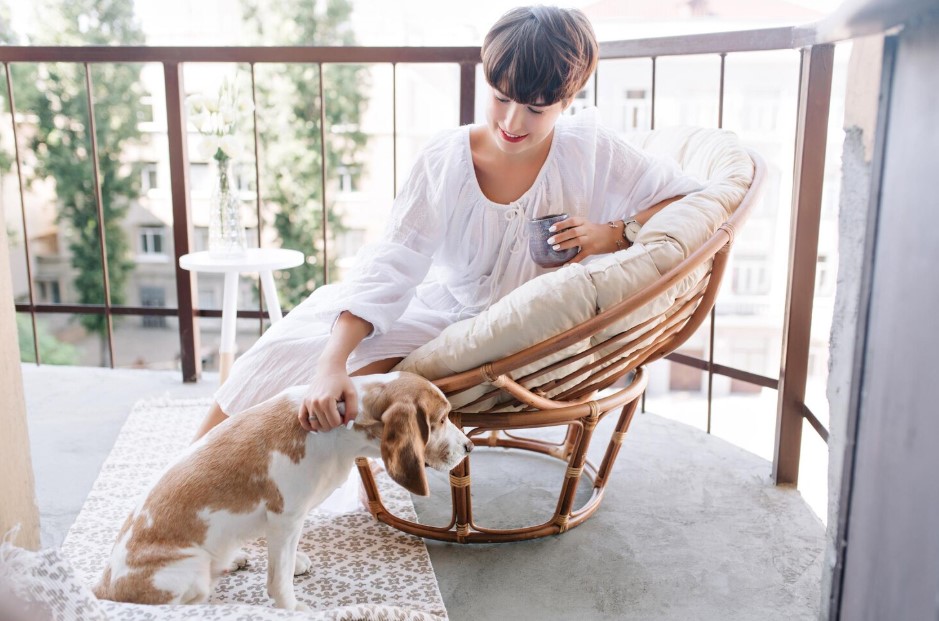
If your pet enjoys spending time on the balcony, create a safe and comfortable area for them. Use non-slip mats, shaded spots, and a cozy bed to make the space inviting.
Ensuring your pet feels relaxed and secure reduces the likelihood of restless or risky behaviour. A well-designed balcony can become a safe extension of your indoor living space.
Consider Weather Conditions
High-rise balconies are more exposed to weather conditions such as strong winds, intense sun, and sudden rain. These factors can affect your pet’s comfort and safety.
Avoid letting your pet stay outside during extreme weather, and always provide access to fresh water and shade. Being mindful of the environment helps prevent heat stress and other weather-related issues.
Train Your Pet for Balcony Safety
Training plays an important role in keeping your pet safe. Teach commands such as “stay” or “come” to help control your pet’s movement on the balcony.
Positive reinforcement can encourage calm behaviour and discourage jumping or climbing. Over time, your pet will learn to associate the balcony with a safe and controlled environment.
Choose Pet-Friendly Accommodation Wisely
When living in or booking pet-friendly accommodation, it’s important to consider balcony safety features. Look for properties with secure railings, enclosed balconies, or pet-specific safety measures.
Many modern apartments are designed with pets in mind, offering safer outdoor spaces and layouts that minimise risks. Choosing the right accommodation can make a significant difference in your pet’s overall safety and well-being.
Stay Alert to Signs of Stress
Pets may show signs of anxiety or discomfort when exposed to heights or unfamiliar environments. If your pet appears nervous, restless, or hesitant, it’s best to limit their time on the balcony.
Every pet is different, and understanding their behaviour helps you make better decisions about their safety.
Final Thoughts
Balconies can be a wonderful feature of high-rise living, but they require careful attention when you have pets. By taking proactive steps—such as installing barriers, supervising your pet, and creating a safe environment—you can significantly reduce risks and ensure your pet remains protected.
Whether you’re living long-term or staying in pet-friendly accommodation in Melbourne, prioritising balcony safety allows both you and your pet to enjoy apartment living with confidence and peace of mind.