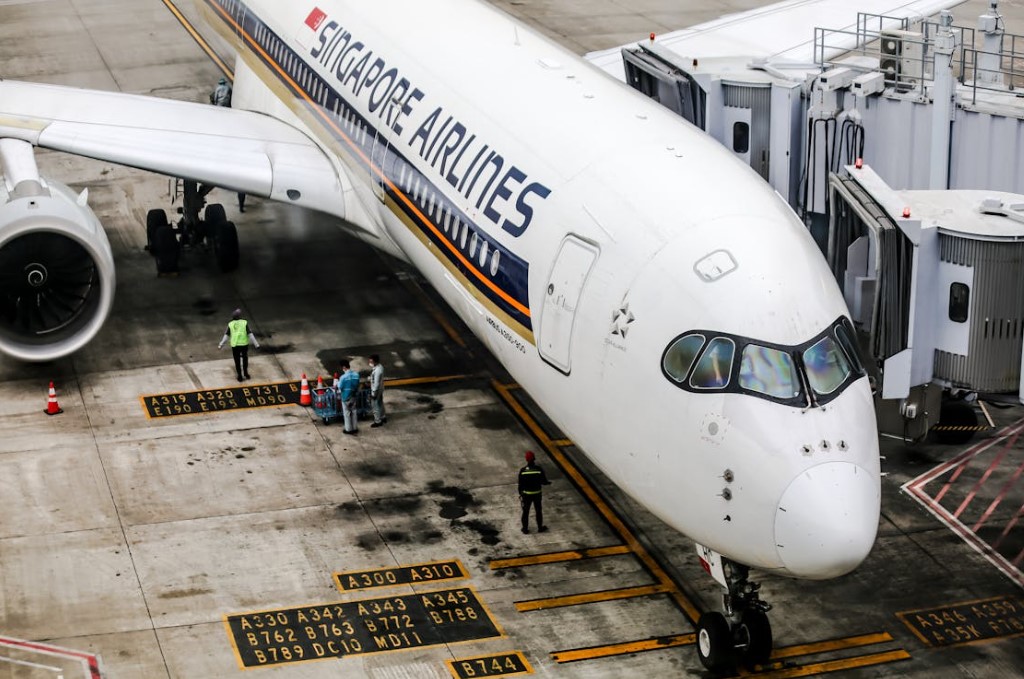
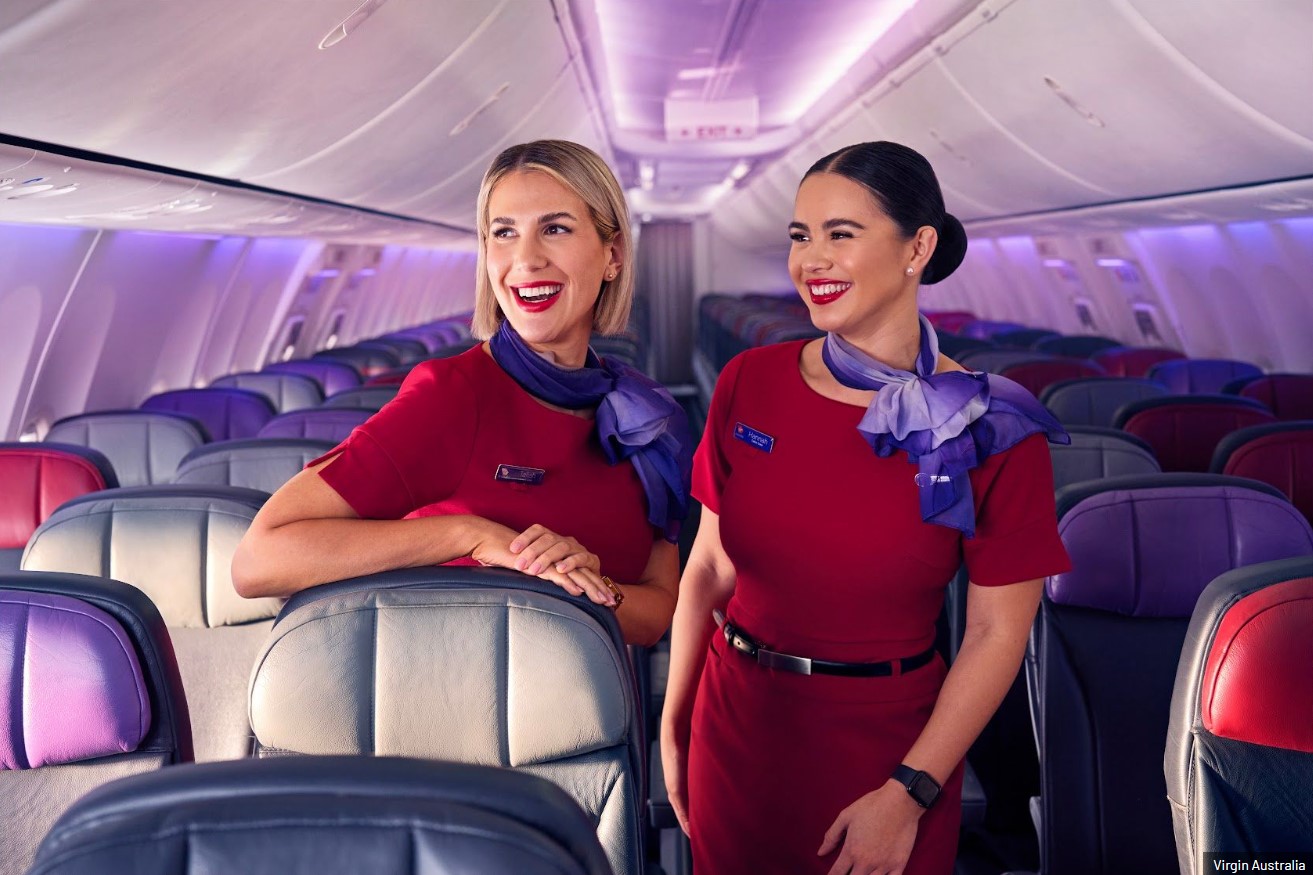
Singapore Airlines has reinstated its iconic Airbus A380 services on the Melbourne route, signalling a strong rebound in corporate travel and shifting global travel patterns influenced by ongoing instability in the Middle East. The move reflects both rising demand for premium travel and Melbourne’s continued importance as a key international gateway.
Return of the A380 to Melbourne
The return of the Airbus A380—one of the world’s largest and most advanced passenger aircraft—marks a significant upgrade in capacity and onboard experience for travellers flying between Melbourne and Singapore.
Singapore Airlines is deploying the A380 on select Melbourne services to meet increased demand, particularly from corporate travellers seeking premium cabins and enhanced comfort. The aircraft offers a range of upgraded features, including:
- Spacious business class seating
- Premium economy options
- Signature Suites for luxury travel
This upgrade highlights the airline’s confidence in Melbourne as a high-demand route, particularly for business and long-haul passengers.
Middle East Turmoil Reshaping Travel Routes
One of the key drivers behind the surge in corporate travel is ongoing geopolitical tension in the Middle East. Airspace disruptions and safety concerns have forced airlines to reroute flights and rethink traditional transit hubs.
As a result, Singapore has become an increasingly important alternative hub for international travel between Australia, Europe, and Asia.
Corporate travellers, in particular, are favouring routes that offer:
- Greater reliability
- Safer transit options
- Consistent scheduling
Singapore Airlines’ strong reputation and strategic location make it a preferred choice for business travellers navigating these changes.
Surge in Corporate Travel Demand
The return of the A380 is closely tied to the resurgence of corporate travel, which is rebounding strongly after years of disruption.
Companies are once again prioritising:
- Face-to-face meetings
- International conferences
- Global business expansion
This has led to increased demand for premium cabins, where comfort, privacy, and productivity are essential.
Singapore Airlines has reported a notable rise in business class bookings on the Melbourne route, reflecting this shift.
Impact on Melbourne’s Travel and Accommodation Sector
The return of high-capacity, premium-focused aircraft like the A380 has a direct impact on Melbourne’s accommodation market.
As more corporate travellers arrive in the city, demand is increasing for:
- Premium hotels in the CBD and Southbank
- Serviced apartments for extended business stays
- Flexible accommodation options near key business districts
Corporate travellers often stay longer and spend more, making them a valuable segment for the hospitality industry.
This trend is particularly beneficial for providers offering high-quality, fully furnished accommodation that caters to business needs.
The Role of Corporate Accommodation Providers
As corporate travel grows, companies like Corporate Keys are playing an increasingly important role in supporting business travellers.
Offering fully furnished apartments across Melbourne, Corporate Keys provides an alternative to traditional hotels—particularly for professionals staying for extended periods or relocating temporarily.
These apartments offer:
- Dedicated workspaces
- Kitchen and laundry facilities
- Greater privacy and comfort
For corporate travellers arriving on long-haul flights like the A380, having access to a home-like environment can significantly enhance their overall experience.
Premium Travel Driving Higher Expectations
The deployment of the A380 also reflects a broader shift toward premium travel experiences. Airlines are investing heavily in high-end cabins, improved service, and enhanced onboard amenities to attract business and affluent travellers.
This shift is influencing expectations across the entire travel journey. Passengers who experience premium service in the air are increasingly seeking similar standards in their accommodation and ground services.
For Melbourne’s hospitality sector, this means:
- Maintaining high service standards
- Offering personalised guest experiences
- Providing flexible and comfortable living options
Strengthening Melbourne’s Global Connectivity
Singapore Airlines’ decision to reinstate A380 services reinforces Melbourne’s position as a major international hub.
The city continues to benefit from strong connections to Asia, Europe, and beyond, making it a key destination for both business and leisure travel.
Improved connectivity not only supports tourism but also:
- Attracts international investment
- Strengthens business ties
- Enhances Melbourne’s global competitiveness
The return of the A380 is a clear indicator of the city’s ongoing importance in the global aviation network.
Challenges and Opportunities Ahead
While demand for corporate travel is rising, the industry still faces challenges. Geopolitical uncertainty, fluctuating fuel costs, and changing travel regulations can all impact airline operations and passenger behaviour.
However, these challenges also create opportunities for innovation and growth. Airlines and accommodation providers that can adapt to changing conditions will be better positioned to succeed.
For Melbourne, the combination of strong demand, premium travel offerings, and diverse accommodation options creates a solid foundation for continued growth.
Looking Ahead
Singapore Airlines’ renewed A380 services to Melbourne mark a significant milestone in the recovery and evolution of global travel.
For travellers, it means:
- Greater comfort and capacity on long-haul flights
- More reliable routes amid global uncertainty
- Enhanced overall travel experiences
For the accommodation sector, it signals:
- Increased demand from corporate travellers
- Opportunities for premium and long-stay accommodation
- Stronger alignment between air travel and hospitality
As global travel patterns continue to shift, Melbourne remains well-positioned to benefit—offering world-class connectivity, diverse accommodation, and a vibrant business environment.
Ultimately, the return of the A380 is more than just a fleet upgrade—it’s a reflection of how travel is evolving, with comfort, flexibility, and reliability at the centre of the modern journey.