Melbourne’s accommodation and travel sector is entering a dynamic new phase in 2026, driven by increased tourism, new hotel developments, and changing traveller preferences. From luxury hotel investments to expanded air connectivity, the city is reinforcing its reputation as one of Australia’s top destinations for both leisure and business travel.
New Hotels and Expanding Supply
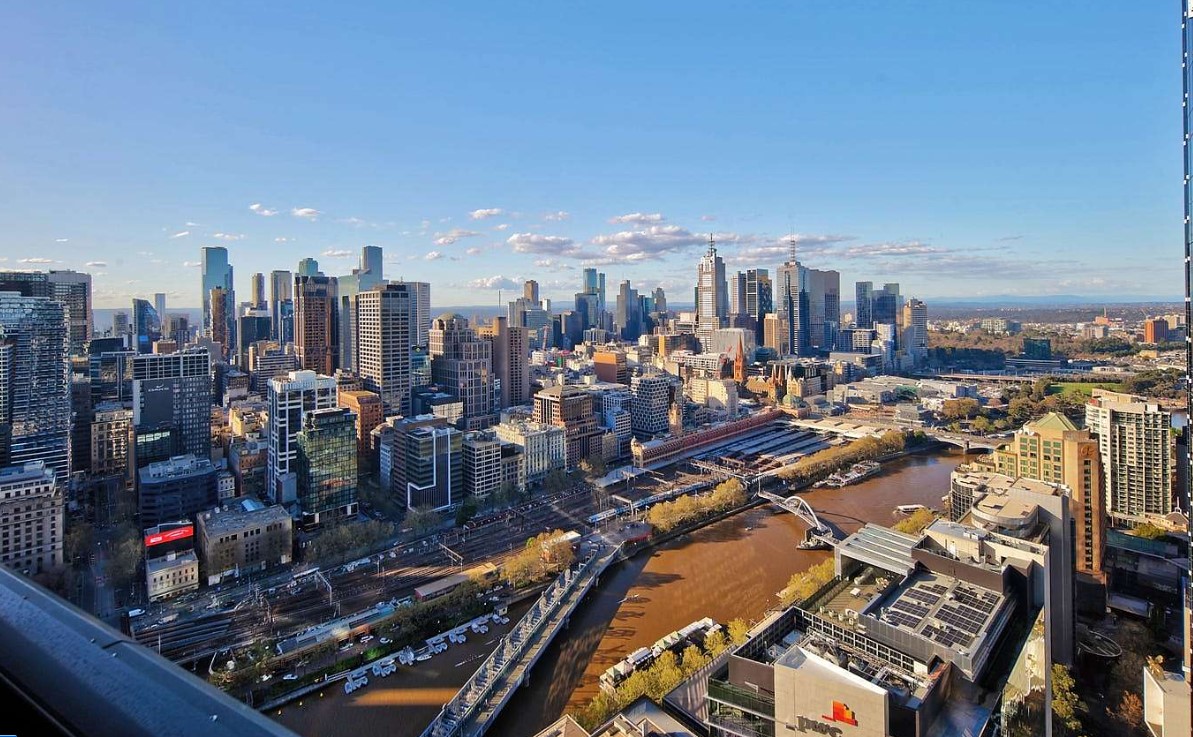
Melbourne’s hotel landscape is growing rapidly, with a strong pipeline of new developments across the CBD, Southbank, and Docklands. In 2026, several new properties will open or are underway, including Hotel Indigo Melbourne Little Collins and Holiday Inn Bourke Street Mall, adding hundreds of rooms to the city’s accommodation inventory.
New openings such as the Mercure Melbourne La Trobe Street further highlight the continued expansion of mid-range and business-friendly accommodation options. These developments aim to cater to a wide range of travellers—from corporate guests attending conferences to tourists seeking centrally located stays.
The growth is also extending to upscale and lifestyle accommodation, with new twin-tower developments in Docklands offering premium amenities like rooftop pools and event spaces. This reflects a broader shift toward experiential stays, where accommodation is part of the overall travel experience.
Strong Demand Driven by Events and Tourism
Melbourne’s popularity as a global events destination continues to fuel demand for accommodation. Major events such as the Formula 1 Grand Prix, Melbourne International Comedy Festival, and international conferences attract thousands of visitors each year.
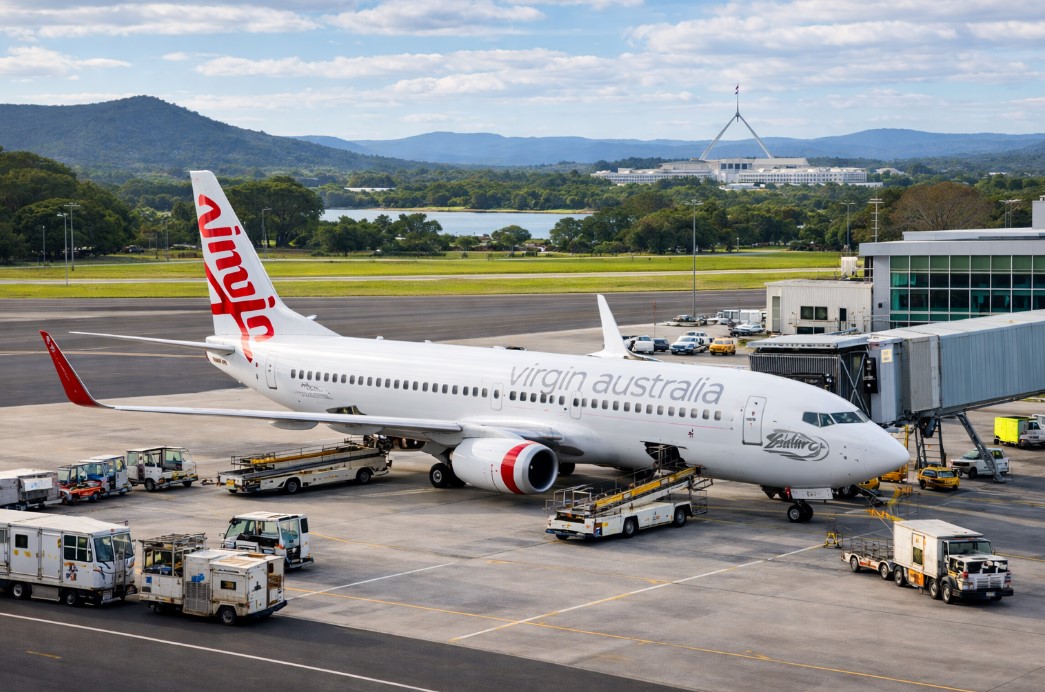
The city’s improved connectivity is also playing a key role. Expanded international flight routes and upgrades at Melbourne Airport—recently named Australia’s best airport—are making it easier for travellers to access the city.
With increased accessibility and a packed events calendar, hotels are seeing consistent demand from both international and domestic travellers, positioning Melbourne as a year-round destination.
Investment Confidence in the Hotel Sector
Recent property acquisitions and investments signal strong confidence in Melbourne’s hospitality market. A notable example is the purchase of the United Places Hotel in South Yarra for $25 million, highlighting continued interest in boutique luxury accommodation.
Similarly, the acquisition of the Ibis Melbourne Glen Waverley hotel by a local RSL branch reflects a broader trend of diversification into the accommodation sector. These moves indicate that investors see long-term value in Melbourne’s tourism and travel industries.
Large mixed-use developments, such as West Side Place, are also contributing to the city’s accommodation supply by combining residential apartments with hotel offerings, creating integrated urban living and travel hubs.
Evolving Travel Preferences
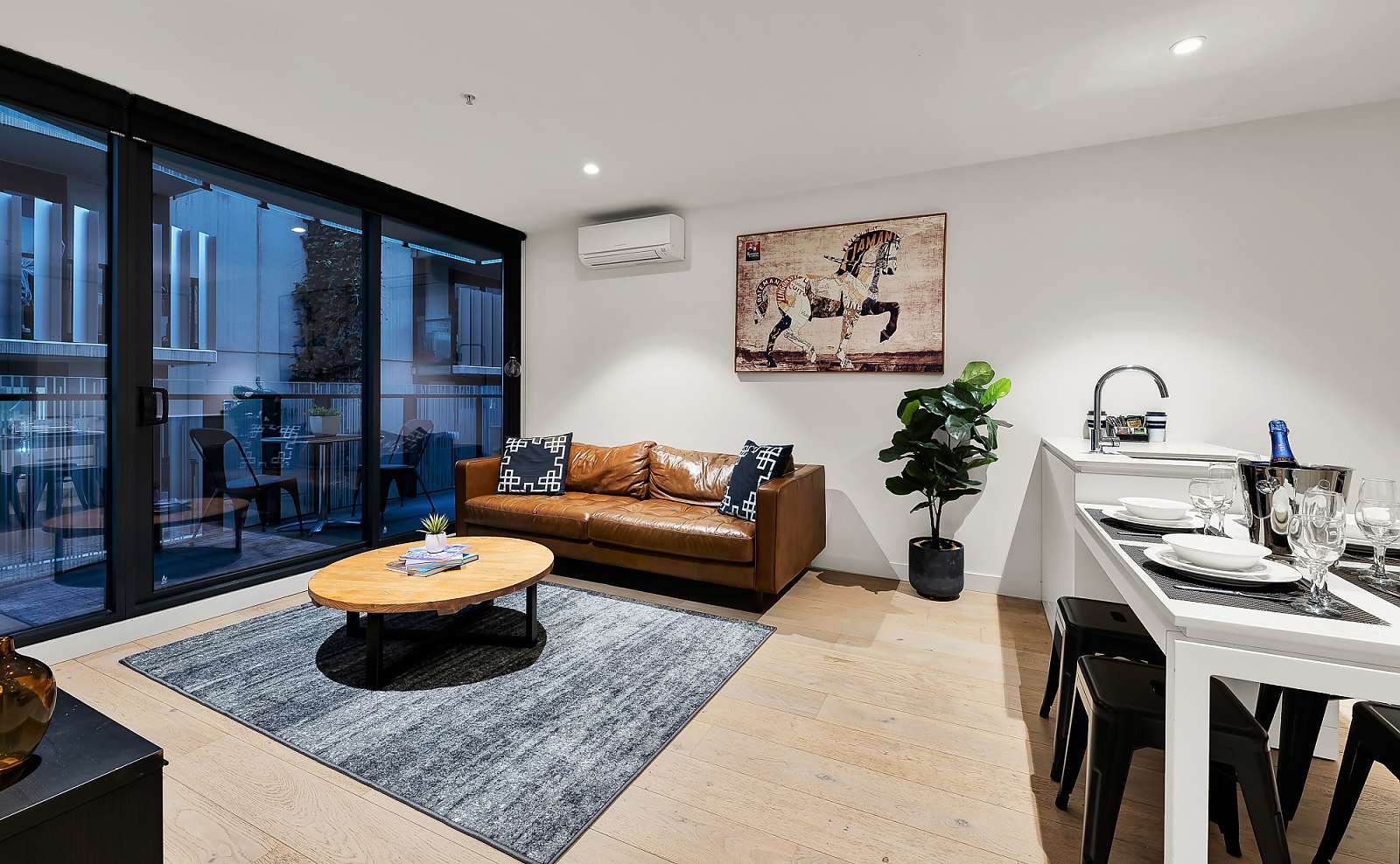
Traveller expectations are changing, and Melbourne’s accommodation providers are adapting quickly. There is growing demand for boutique hotels, serviced apartments, and flexible long-stay options, particularly among younger travellers and business professionals.
Hotels are increasingly focusing on design, local experiences, and lifestyle-driven amenities. Luxury properties like The Ritz-Carlton Melbourne and W Melbourne continue to attract high-end travellers, while boutique options in areas like Fitzroy and South Yarra appeal to those seeking a more personalised stay.
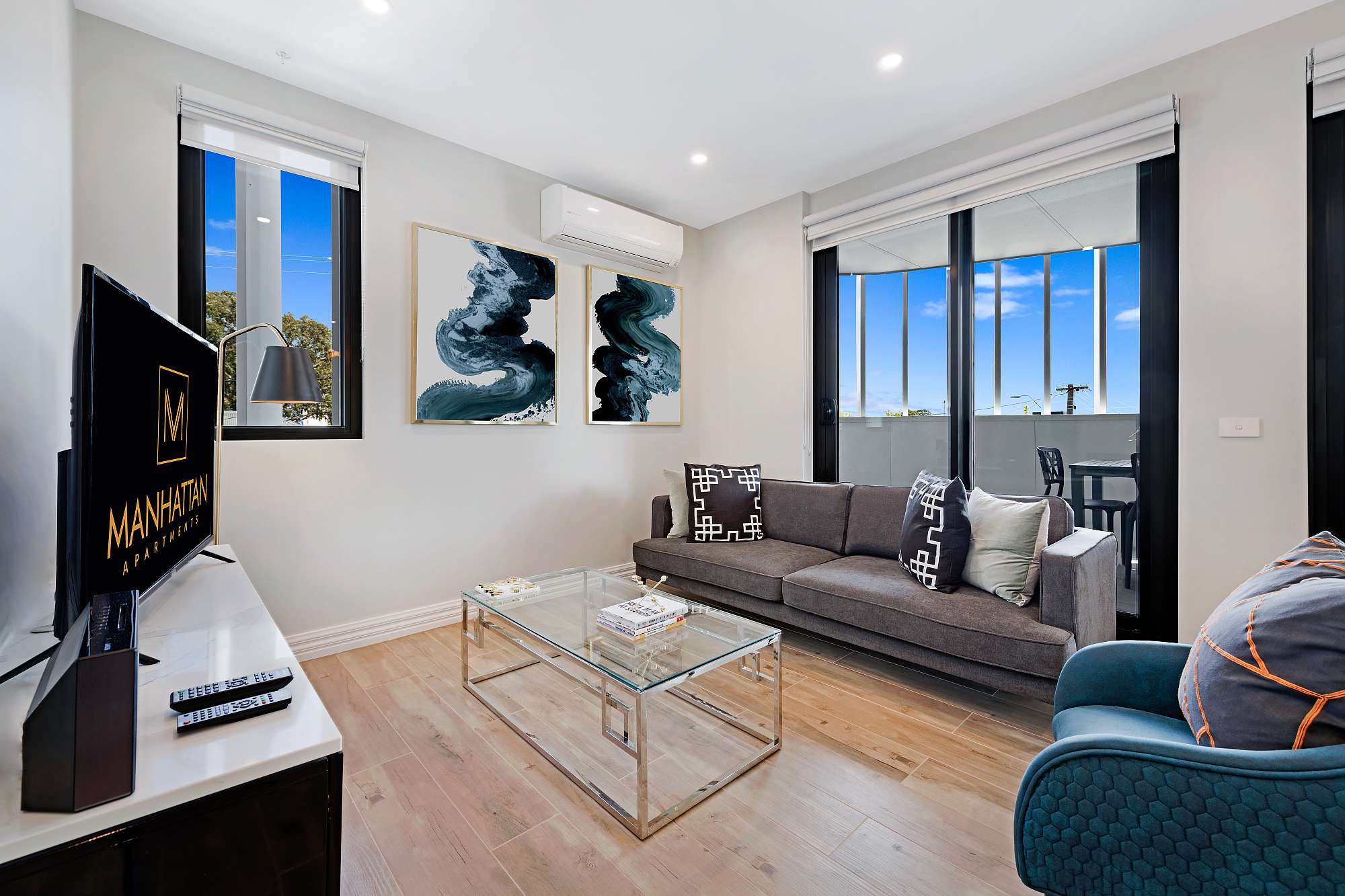
At the same time, serviced apartments and fully furnished stays are becoming more popular for extended visits, offering the comfort of home with hotel-style services. This trend is particularly relevant for corporate travellers, relocating professionals, and families staying for longer periods.
Dining and Lifestyle Enhancing Travel Appeal
Melbourne’s thriving food scene is also boosting its appeal as a travel destination. The city continues to produce world-class dining experiences, with new restaurants gaining national recognition and drawing visitors from across Australia and beyond.
Hotels are capitalising on this trend by integrating premium dining experiences within their properties, creating a seamless blend of accommodation and culinary exploration. This enhances the overall visitor experience and encourages longer stays.
Challenges and Opportunities Ahead
Despite strong growth, the accommodation sector faces some challenges. Hotel occupancy rates, while steady, have shown signs of variability, reflecting broader economic conditions and global uncertainties.
At the same time, the industry must balance increasing demand with supply, ensuring that new developments align with visitor needs and market trends. Sustainability, affordability, and accessibility are becoming key considerations for both developers and travellers.
However, these challenges also present opportunities. The rise of alternative accommodation options, including serviced apartments and short-term rentals, is helping to fill gaps in the market and provide more choice for travellers.
A City Built for Modern Travellers
Melbourne’s diverse neighbourhoods continue to play a crucial role in shaping the accommodation experience. From the bustling CBD and upscale Southbank to the beachside charm of St Kilda and the creative energy of Fitzroy, each area offers a unique stay.
This variety allows visitors to tailor their travel experience, whether they’re seeking luxury, culture, nightlife, or relaxation.
Looking Ahead
As 2026 unfolds, Melbourne’s accommodation and travel sectors are set to remain strong and resilient. With new hotels opening, continued investment in infrastructure, and a growing global reputation, the city is well-positioned to meet the evolving needs of modern travellers.
For visitors, this means more choices, better experiences, and greater flexibility when planning a trip. For the industry, it represents an exciting opportunity to innovate and redefine what it means to stay in one of the world’s most liveable cities.
Melbourne is no longer just a destination—it’s an experience, shaped by where you stay, what you explore, and how the city welcomes you.