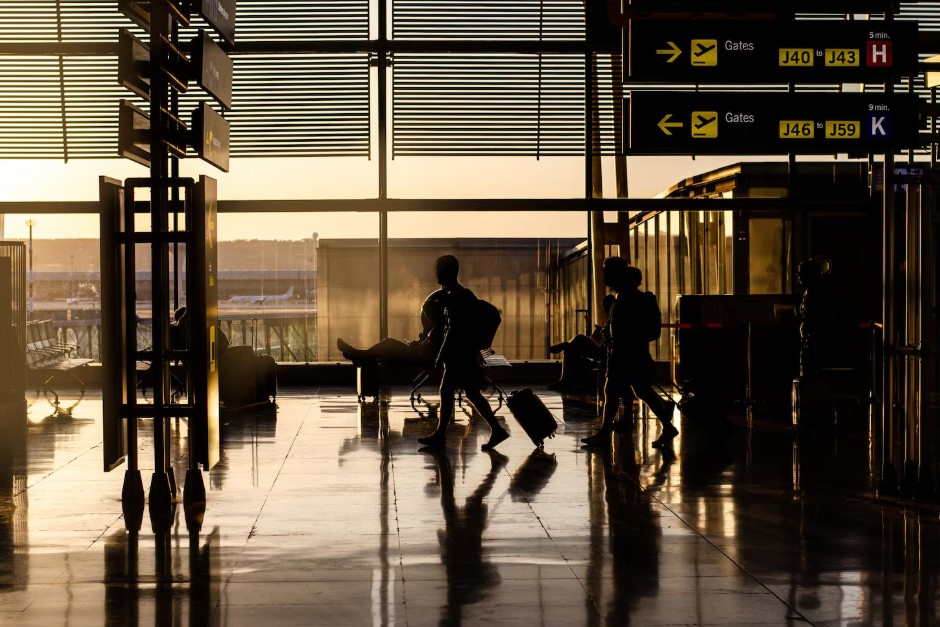
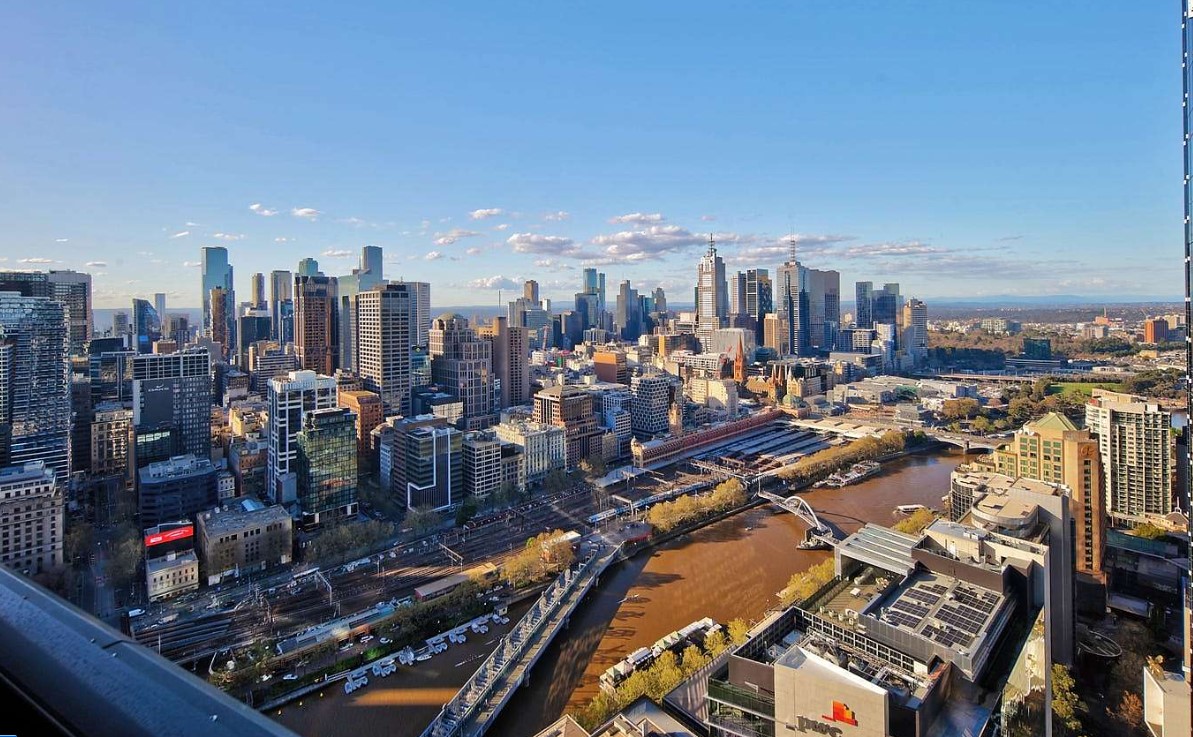
Melbourne has once again cemented its position as a leading travel destination, with Melbourne Airport crowned Australia’s best airport in the 2026 Skytrax World Airport Awards. The recognition marks the sixth time in seven years the airport has taken the top national spot, reinforcing the city’s growing importance as a global gateway for both business and leisure travellers.
While the award highlights strong passenger satisfaction, it also signals something much broader—the continued growth of Melbourne’s travel sector and its direct impact on accommodation, hotels, and serviced apartment demand across the city.
A Leading Gateway for International Travel
Melbourne Airport ranked 21st globally in the 2026 Skytrax awards, outperforming other major Australian airports, including Brisbane and Sydney.
The ranking is based on extensive passenger satisfaction surveys, covering everything from check-in efficiency and cleanliness to dining and overall experience.
This achievement comes at a time when Melbourne is experiencing record-breaking travel demand. In January alone, the airport recorded its busiest month ever for international passengers, reflecting a strong rebound in global travel and growing interest in Australia as a destination.
New airline routes and partnerships are also contributing to this growth, with several international carriers expanding services into Melbourne. This increased connectivity is making the city more accessible than ever, particularly for long-haul travellers from Europe, Asia, and North America.
What This Means for Accommodation Demand
As passenger numbers rise, so too does the demand for accommodation across Melbourne. Hotels, serviced apartments, and short-term rentals are all benefiting from increased visitor arrivals.
For travellers, the convenience of a well-connected airport plays a major role in choosing a destination. Melbourne’s recognition as Australia’s best airport strengthens its appeal, encouraging both domestic and international visitors to stay longer and explore more of what the city has to offer.
This trend is particularly evident in key areas such as Southbank, the CBD, and Docklands—locations that offer easy access to both the airport and major attractions. Accommodation providers in these areas are seeing consistent demand from business travellers, tourists, and relocating professionals.
Serviced apartments, in particular, are becoming a preferred option for extended stays. With more travellers combining business and leisure, the need for flexible, home-like accommodation is growing rapidly.
The Role of Corporate Accommodation Providers
As travel patterns evolve, companies like Corporate Keys are playing an increasingly important role in meeting demand. Offering fully furnished apartments across Melbourne, Corporate Keys provides an alternative to traditional hotels—particularly for long-stay guests, corporate travellers, and families.
These types of accommodations offer more space, kitchen facilities, and a residential feel, making them ideal for stays that extend beyond a few nights. In a city experiencing rising visitor numbers, this flexibility is becoming a key differentiator.
With Melbourne attracting international conferences, major events, and business relocations, the demand for high-quality, fully serviced apartments is expected to continue growing alongside the hotel sector.
Infrastructure Investment Driving Growth
The airport’s success is not just about current performance—it’s also about future planning. A major $4.5 billion expansion of Melbourne Airport’s international terminal is already underway, aimed at improving capacity and enhancing the passenger experience.
The upgrade will include expanded check-in areas, additional aircraft stands, and improved passenger flow, allowing the airport to accommodate more flights and reduce congestion.
Passengers will also see new pick-up and drop-off zones, designed to make arrivals and departures smoother and more efficient.
At the same time, broader airport upgrades across Australia—including improved security screening and baggage systems—are helping to streamline travel and reduce delays.
These improvements are crucial in supporting Melbourne’s long-term growth as a global travel hub.
Challenges Still Remain
Despite its success, Melbourne Airport faces ongoing challenges. Infrastructure limitations, particularly around border processing and outdated systems, have been identified as areas needing improvement.
As passenger numbers continue to rise, addressing these issues will be essential to maintaining high levels of customer satisfaction.
For travellers, this means that while the overall experience is strong, there may still be occasional delays or inefficiencies—especially during peak travel periods.
A Boost for Melbourne’s Tourism Economy
The airport’s recognition is not just a win for aviation—it’s a boost for Melbourne’s entire tourism and hospitality industry.
Each international flight contributes significantly to the local economy, supporting jobs, businesses, and investment across sectors, including accommodation, dining, and retail.
With more visitors arriving in the city, hotels and accommodation providers are seeing increased occupancy rates, particularly during major events such as the Australian Open, Formula 1 Grand Prix, and Melbourne International Comedy Festival.
This influx of travellers is helping to sustain Melbourne’s reputation as one of the world’s most liveable—and visitable—cities.
Looking Ahead
Melbourne Airport’s continued recognition as Australia’s best airport reflects both its current performance and its future potential. As infrastructure upgrades progress and international travel demand grows, the city is well-positioned to strengthen its status as a global destination.
For travellers, this means easier access, better experiences, and a wider range of accommodation options—from luxury hotels to fully furnished apartments offered by providers like Corporate Keys.
For the hospitality industry, it signals an ongoing opportunity. As Melbourne continues to welcome the world, the connection between air travel and accommodation will only become more important.
In a competitive global travel market, Melbourne’s strength lies not just in its airport, but in the seamless experience it offers from arrival to stay.