Top hotel executives are expressing confidence in U.S. travel demand, even in the face of weakening consumer sentiment. The University of Michigan’s index fell to 50.3 in early November—its lowest since mid-2022—but leaders in hospitality say long-term fundamentals remain strong.
During recent earnings calls, executives from major hotel brands and REITs pointed to several key drivers. Pat Pacious of Choice Hotels highlighted that declining interest rates, infrastructure investments, and large upcoming events—such as the 2026 World Cup and the U.S. 250th anniversary—could spur incremental travel demand. He also noted that occupancy recovery in the economy and mid-market segments is underway, a trend that historically precedes broader RevPAR rebound.
Geoff Ballotti from Wyndham Hotels & Resorts reported that their booking lead times and lengths of stay are up year-over-year, while cancellations have improved. Meanwhile, Hilton’s CEO Chris Nassetta noted constrained new supply, favourable policy shifts, and what he called “meaningful increases in travel demand” on the horizon.
At Hyatt, CEO Mark Hoplamazian said U.S. leisure demand rose around 3 per cent in October, with global leisure up ~7 per cent—signs that consumers are still willing to travel, especially for vacation.
Still, the outlook isn’t without its challenges. Inflation, immigration policy, and consumer uncertainty remain significant headwinds. Executives also pointed out that while upscale hotels maintain pricing power, the mid-tier — especially the economy segment — is more exposed.
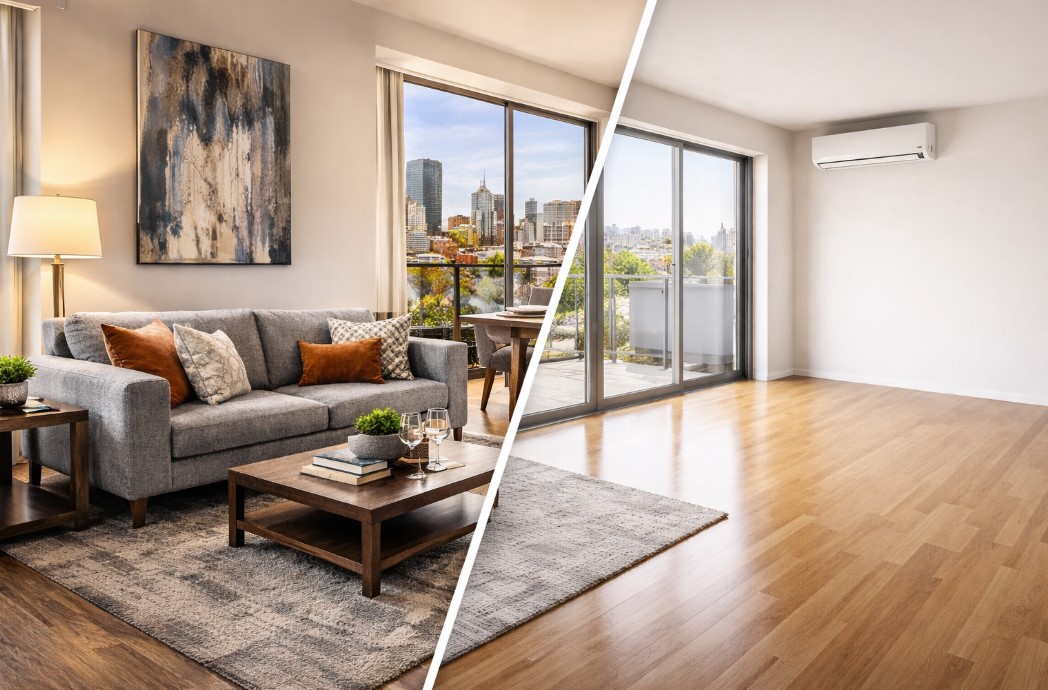
It’s worth noting that alternative accommodation providers are similarly capitalising on these demand shifts. Corporate Keys, a leading provider of serviced apartments in Australia and New Zealand, specialises in housing for corporate travellers, project teams, and relocating employees.
Their model—fully furnished apartments for long stays—illustrates how demand for cost-effective, flexible accommodations is growing among business travellers.