Australia’s aviation and tourism industries have welcomed the Federal Government’s newly announced fuel security measures, with industry leaders describing the initiative as an important step toward protecting the country’s transport network from future global disruptions.
The announcement comes at a critical time for the aviation sector, as ongoing geopolitical tensions and fuel supply concerns continue to impact airlines, airports, and travellers worldwide. Rising fuel costs and international uncertainty have already forced several airlines to reduce capacity and adjust flight schedules in recent months.
To address these challenges, the Australian Government has unveiled a major fuel security and resilience package worth more than $10 billion. The plan focuses on increasing Australia’s fuel reserves, improving storage infrastructure, and strengthening long-term supply capabilities for diesel and aviation fuel.
Strengthening Australia’s Aviation Sector
One of the key measures announced is the expansion of Australia’s minimum jet fuel stockholding obligations to 50 days. This increase is designed to provide a stronger supply buffer during periods of international disruption or fuel shortages.
The Australian Airports Association (AAA) welcomed the move, highlighting the importance of stronger fuel resilience for maintaining confidence in Australia’s aviation network.
AAA Chief Executive Simon Westaway said recent global events had reinforced the need for Australia to improve its sovereign fuel capability and reduce vulnerability to international supply disruptions.
Industry leaders believe these measures will help ensure airports and airlines can continue operating more reliably during periods of crisis while supporting business travel, tourism, and regional connectivity across the country.
Why Fuel Security Matters
Australia imports approximately 80 per cent of its fuel, making the country highly dependent on global supply chains and international market stability.
Recent geopolitical instability in the Middle East has contributed to fuel price volatility and increased concerns about long-term supply reliability. Airlines globally have already been forced to respond to rising fuel costs by reducing services and reviewing capacity plans.
In Australia, airlines including Qantas and Jetstar have announced flight reductions extending into the second half of 2026 due to soaring fuel costs.
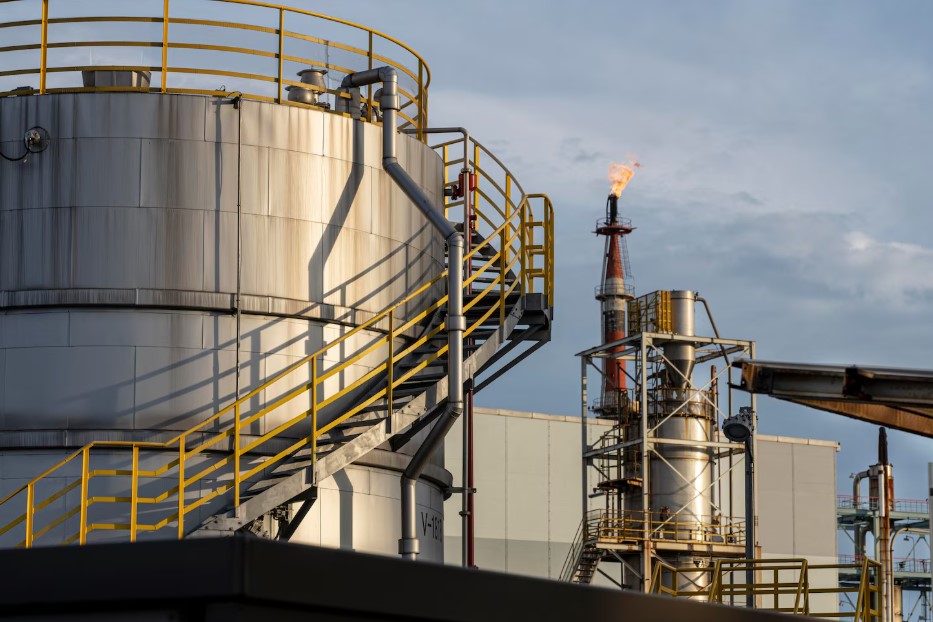
The Federal Government’s package aims to reduce the risk of major disruptions by increasing onshore reserves and establishing a permanent government-owned fuel reserve of approximately one billion litres.
This reserve will primarily focus on diesel and aviation fuel, helping support both domestic transport operations and essential services during future crises.
Supporting Tourism and Regional Connectivity
The tourism industry has also strongly supported the initiative, recognising the important role aviation plays in Australia’s visitor economy.
Reliable flight networks are essential for domestic tourism, international visitors, and regional communities that rely heavily on air travel for business, healthcare, education, and tourism activity.
Tourism & Transport Forum Australia described the measures as an important long-term step toward improving traveller confidence and protecting Australia’s tourism infrastructure.
For regional airports and communities, stronger fuel security may help reduce the risk of future flight disruptions that could isolate destinations or impact local economies.
The package is also expected to support airport operations and maintain supply stability during peak travel periods, particularly during school holidays and major tourism seasons.
The Growing Importance of Sustainable Aviation Fuel
Beyond immediate fuel reserves, the announcement has also renewed focus on the development of a domestic sustainable aviation fuel (SAF) industry.
The Australian Airports Association believes sustainable aviation fuel could play an important role not only in reducing emissions but also in strengthening Australia’s long-term fuel resilience.
A locally produced SAF industry has the potential to:
- Improve national fuel security
- Reduce reliance on imports
- Support job creation
- Help airlines transition toward more sustainable operations
Airports are expected to play a critical role in enabling future SAF infrastructure and supply chains as the aviation industry continues to evolve.
Flow-On Effects for Travellers
For travellers, the fuel security measures may help improve long-term confidence in Australia’s aviation network. While fuel prices and airfare pressures may continue in the short term, stronger reserves could reduce the likelihood of severe disruptions during future global crises.
The initiative may also support more stable airline scheduling and improve reliability for both domestic and international travel over time.
As business and leisure travel continue recovering and expanding, dependable aviation infrastructure remains essential to supporting tourism, commerce, and national connectivity.
This is particularly important for cities like Melbourne, where tourism, corporate travel, and major international events drive strong demand for accommodation and transport services. Increased travel confidence often benefits sectors such as fully furnished serviced apartments in Melbourne CBD, which continue to accommodate both corporate and leisure travellers seeking flexible long-term stay options.
Looking Ahead
The Government’s fuel security package represents one of the most significant changes to Australia’s fuel resilience strategy in years. Industry groups view the announcement as a positive step toward protecting Australia’s transport infrastructure from future global uncertainty.
While challenges surrounding fuel prices and international instability remain, stronger reserves and expanded storage capabilities are expected to provide greater stability for the aviation sector moving forward.
As Australia continues rebuilding and strengthening its travel and tourism industries, fuel security will remain a critical part of ensuring reliable connectivity for businesses, communities, and travellers across the country.