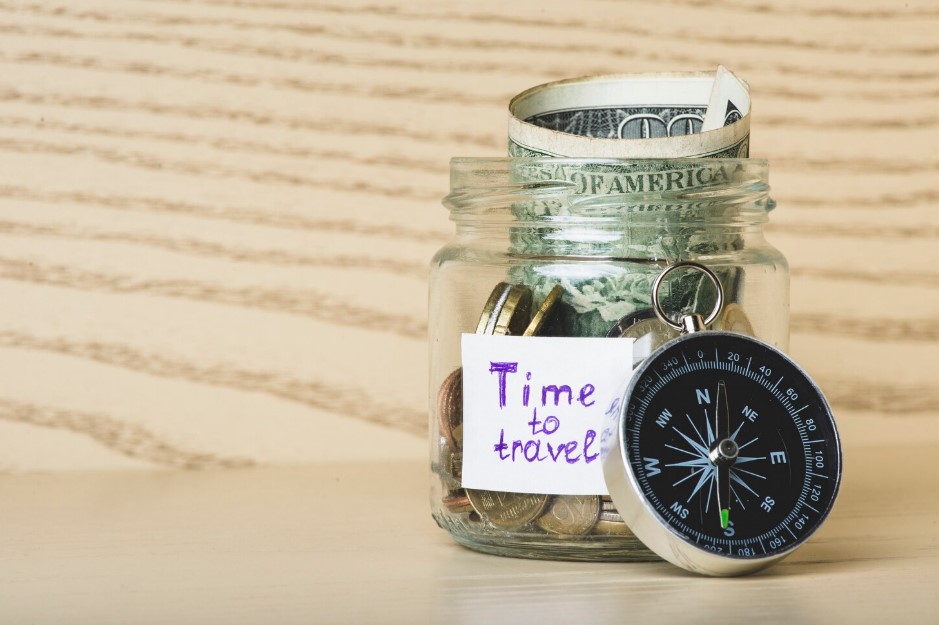
Almost half of Australians are placing travel at the forefront of their financial goals for 2026, according to new research from Money.com.au. The nationally representative survey found that 46 per cent of Australians — roughly 10.2 million people — listed saving for a holiday among their top two priorities for the year ahead. This marks the second year in a row that travel has topped the list, outranking long‑standing financial goals like buying a home, investing, or saving for retirement.
Travel’s popularity as a savings goal reflects a broader shift in values among Australians, who increasingly see memorable experiences as a key part of life satisfaction. While building an emergency fund came in second at 42 per cent, traditional milestones like saving for retirement (35 per cent) and buying a home (26 per cent) lagged behind. Less common priorities included investing (23 per cent), paying off a mortgage sooner (13 per cent), home renovations (10 per cent), or saving for children’s needs (5 per cent).
According to Money.com.au finance expert Sean Callery, travel remains one of the few financial goals that many Australians feel is both attainable and emotionally rewarding — even amidst ongoing cost‑of‑living pressures. Most people can realistically budget for and look forward to a holiday within a year, making it a concrete and joyous goal compared with longer‑term aspirations.
Indeed, the typical Australian takes around eight months to save for a trip, with Asia emerging as a particularly appealing destination due to the opportunity for premium experiences at more accessible price points. The survey also showed that travel is increasingly valued alongside — or even in place of — traditional life milestones, especially among younger generations who feel priced out of achievements like home ownership or family planning.
Generational differences are notable. Baby Boomers were most likely to prioritise holiday savings (53 per cent), followed by Gen Z (50 per cent), Gen X (45 per cent), and Millennials (34 per cent). This distribution suggests that the appeal of travel transcends age groups, though motivations may vary across generations.
The trend aligns with broader travel behaviours. Data from the Australian Bureau of Statistics shows that short‑term overseas trips by Australians increased by 9.2 per cent in the year to October 2025, compared with the previous year. January, July and October stood out as peak return months, coinciding with school holidays and popular travel seasons for destinations such as the United States, Europe and Japan.
Analysts point out that while cost remains a concern for many travellers, Australians are adapting creatively. Research from Skyscanner shows that six in ten plan to travel overseas in 2026, and many are embracing flexible travel dates, alternative destinations, and savvy booking strategies to stretch their budgets further. Popular motivations for taking a holiday include relaxation, having something to look forward to, and escaping the local weather.
Despite economic pressures, travel insurance and other protections remain a priority for many Australians. Separate research from travel insurers reveals that a large majority of travellers intend to purchase coverage, motivated by concerns over medical emergencies, financial shortfalls abroad, and disruptions such as cancelled flights. This underscores a broader trend toward making travel both aspirational and responsibly planned, even as prices rise.
Younger generations in particular have embraced travel as a central life priority. Reports suggest that many younger Australians are willing to cut back on everyday expenses — from coffee runs to entertainment — in order to fund overseas adventures. This shift is partly driven by more flexible working arrangements, a desire for meaningful experiences, and a cultural emphasis on exploring the world while still relatively young.
With travel costs — including flights, fully furnished accommodation and activities — continuing to influence budgeting decisions, Aussies are learning to make smart choices. Tools and features that highlight cheap travel periods, affordable destinations, and price alerts are helping holiday‑makers get the most value out of their savings and reduce the stress of booking in uncertain times.
Overall, the 2026 savings data paints a picture of an Australian public that increasingly values experiences, cultural connection and personal fulfilment over conventional financial achievements. Whether it’s a beach getaway, an urban adventure, or a multi‑country tour, travel has become a top financial ambition — one that people are prepared to save for, plan for, and prioritise above more traditional goals.