Property investors are constantly evaluating ways to maximise rental income, reduce vacancy periods, and improve the long-term value of their assets. One strategy that continues to gain traction is furnishing a rental property. While traditional long-term leases for unfurnished homes remain common, the rise of flexible living arrangements, corporate travel, and relocation demands has created strong interest in furnished rentals.
Deciding whether to furnish a rental property depends on location, target market, and investment goals. However, in many metropolitan areas, particularly in inner-city hubs, furnishing can provide a significant competitive edge.
Higher Rental Income Potential
One of the primary reasons investors choose to furnish a property is the potential to charge higher rent. Furnished properties typically command a premium compared to their unfurnished counterparts. Tenants are often willing to pay more for the convenience of moving into a home that already includes essential furniture and appliances.
This is particularly true in CBD locations and business districts, where professionals, executives, and relocating workers prioritise convenience over long-term furniture investment. In markets such as fully furnished apartments in Melbourne, investors can often achieve stronger weekly returns due to consistent demand from corporate tenants, medical professionals, and interstate or international relocations.
Appeal to a Broader Tenant Market
Furnished properties tend to attract a diverse tenant demographic. These can include:
- Corporate executives on short-term contracts
- University students from interstate or overseas
- Medical professionals on hospital placements
- Families relocating while building or renovating
- Digital nomads and remote workers
For these tenants, the ability to move in without organising furniture delivery or utility setup is highly appealing. This flexibility broadens the investor’s tenant pool and can help reduce vacancy risk.
Reduced Vacancy Periods
Vacancy is one of the biggest expenses for property investors. Every week without a tenant directly impacts cash flow. Furnished properties, particularly in central locations, often lease more quickly because they meet immediate accommodation needs.
In cities with strong tourism, corporate travel, and event-driven demand, furnished rentals can remain consistently occupied throughout the year. Investors who operate in markets where relocation and business travel are common may find furnished properties experience shorter advertising periods compared to standard leases.
Flexibility in Lease Terms
Furnished properties provide greater flexibility in lease arrangements. Investors can offer:
- Short-term leases
- Medium-term stays (1–6 months)
- Corporate housing agreements
- Executive leasing
This flexibility allows owners to adapt to market conditions. During periods of high demand, shorter leases can enable rental adjustments more frequently. Conversely, longer agreements can provide a stable income when needed.
In dynamic urban markets, flexibility often translates to improved financial performance.
Potential Tax Benefits
Another important consideration is depreciation. Furniture, appliances, and fittings may be depreciable assets, which can provide tax advantages for investors. Items such as sofas, beds, dining settings, whitegoods, and window furnishings may qualify for depreciation deductions, subject to current legislation.
Investors should always seek advice from a qualified quantity surveyor or tax professional to understand how furnishing impacts their depreciation schedule. When structured correctly, furnishing can enhance both rental income and tax efficiency.
Competitive Advantage in High-Density Markets
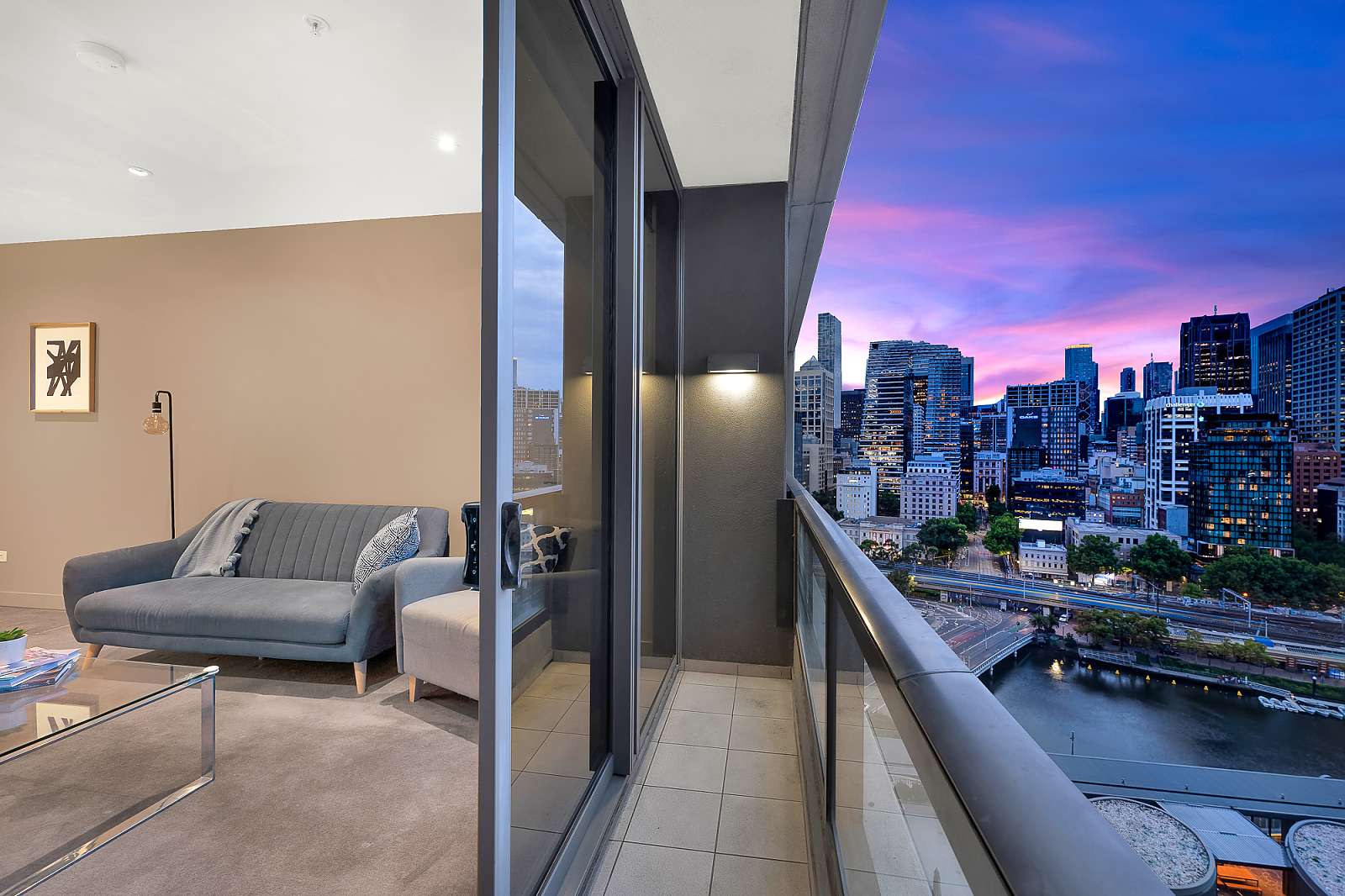
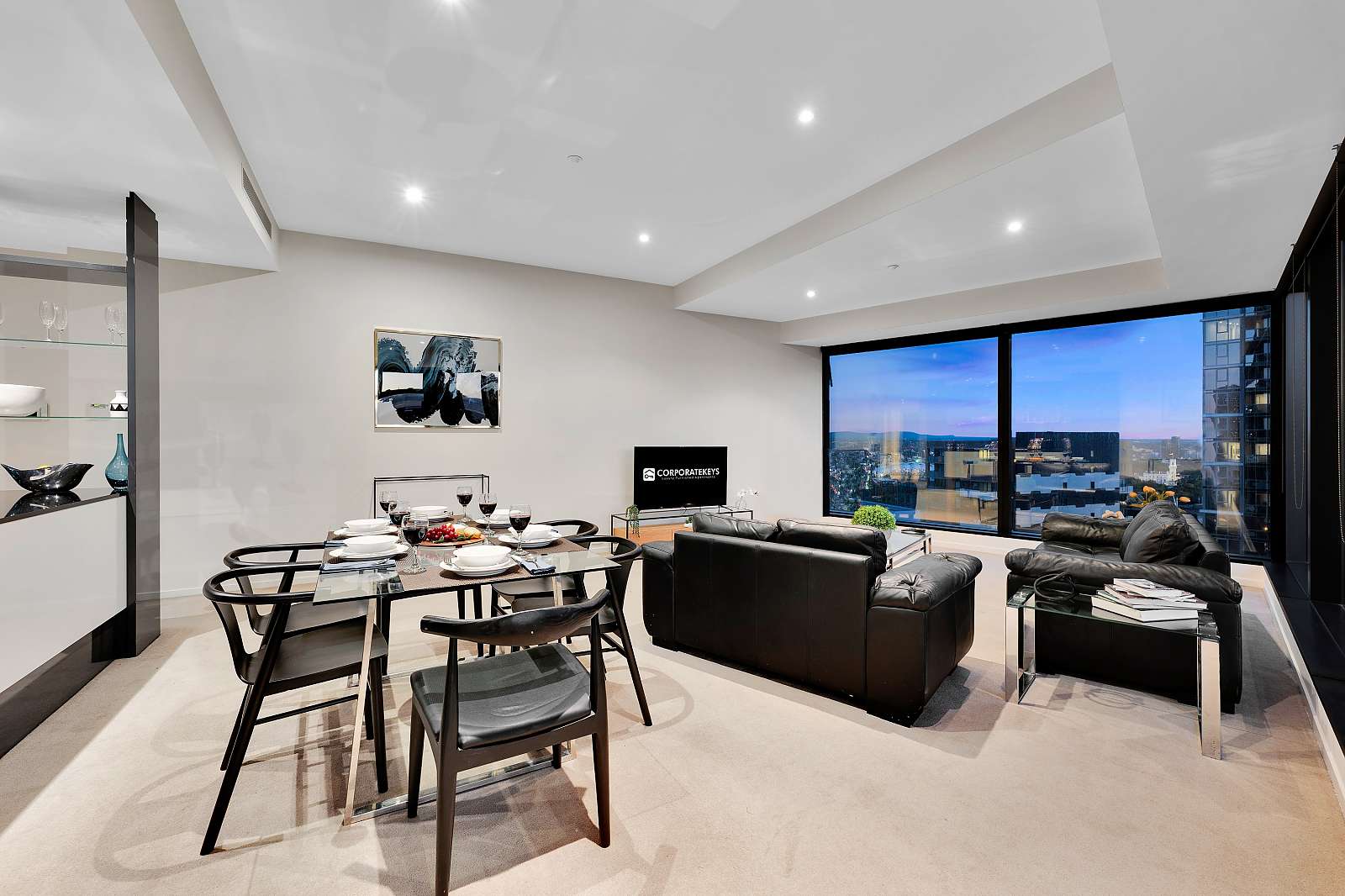
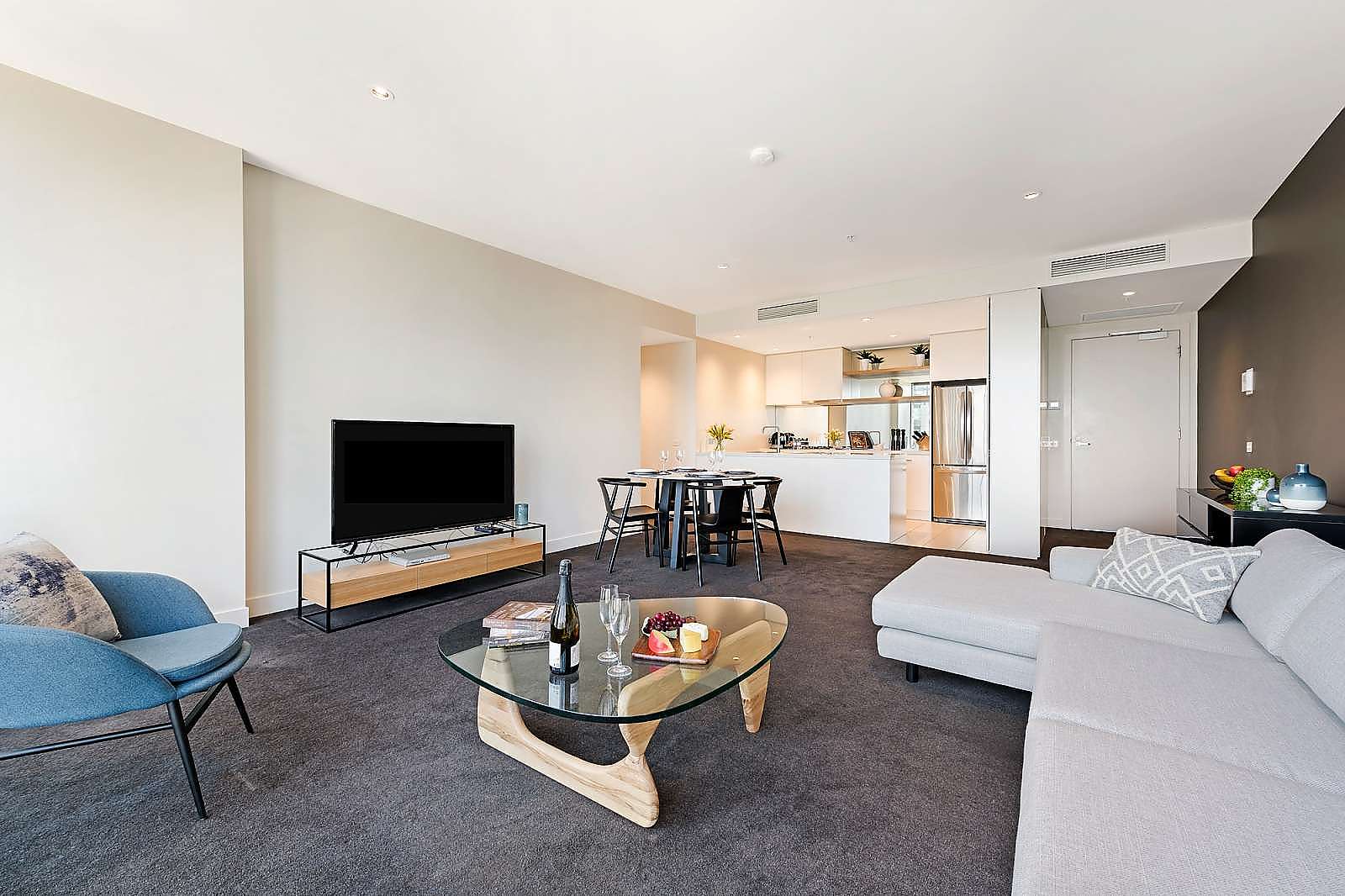
In apartment-dominated suburbs, competition can be intense. Multiple properties may be listed simultaneously, particularly in CBD and inner-city areas. A well-styled furnished apartment can stand out significantly in online listings.
Professional furniture packages and thoughtful styling enhance photography, improve inspection appeal, and create a strong first impression. Tenants browsing listings often make decisions within seconds based on presentation. A furnished property that feels move-in ready can outperform comparable unfurnished options.
In Melbourne’s inner-city market, where lifestyle and convenience are major selling points, furnished properties often align well with tenant expectations.
Considerations Before Furnishing
Despite the advantages, furnishing is not suitable for every investment. Investors should carefully consider:
Upfront Costs: Purchasing quality furniture and appliances requires initial capital. Cutting corners with low-quality items can lead to frequent replacements and higher maintenance costs.
Wear and Tear: Furnished properties may experience greater wear on furnishings. Regular inspections and maintenance are essential.
Insurance Adjustments: Landlord insurance policies may require updates to cover furniture and contents.
Target Market Suitability: Suburban family homes may not perform as strongly furnished compared to inner-city apartments or studio properties.
Conducting market research is essential before making the decision. Understanding local tenant demand, average rental premiums, and vacancy trends will inform whether furnishing is a strategic move.
Long-Term Investment Strategy
For investors focused on capital growth alone, furnishing may not be necessary. However, for those prioritising yield and cash flow, furnishing can be an effective strategy.
Many investors adopt a hybrid approach—furnishing properties in high-demand urban areas while keeping suburban family homes unfurnished. This balanced strategy allows diversification across different tenant types and market cycles.
Ultimately, furnishing should align with the broader investment objective. When executed thoughtfully, with durable furniture, modern styling, and clear tenant targeting, it can significantly enhance rental performance.
Final Thoughts
Furnishing a rental property is no longer a niche strategy. With evolving tenant expectations and increased mobility across Australia, convenience has become a premium feature. Investors who understand their market, assess financial implications carefully, and maintain quality presentation often find furnishing delivers both higher returns and stronger tenant demand.
In competitive urban centres, particularly where fully furnished apartments in Melbourne are sought after by corporate and relocating tenants, furnishing can transform a standard rental into a high-performing asset.