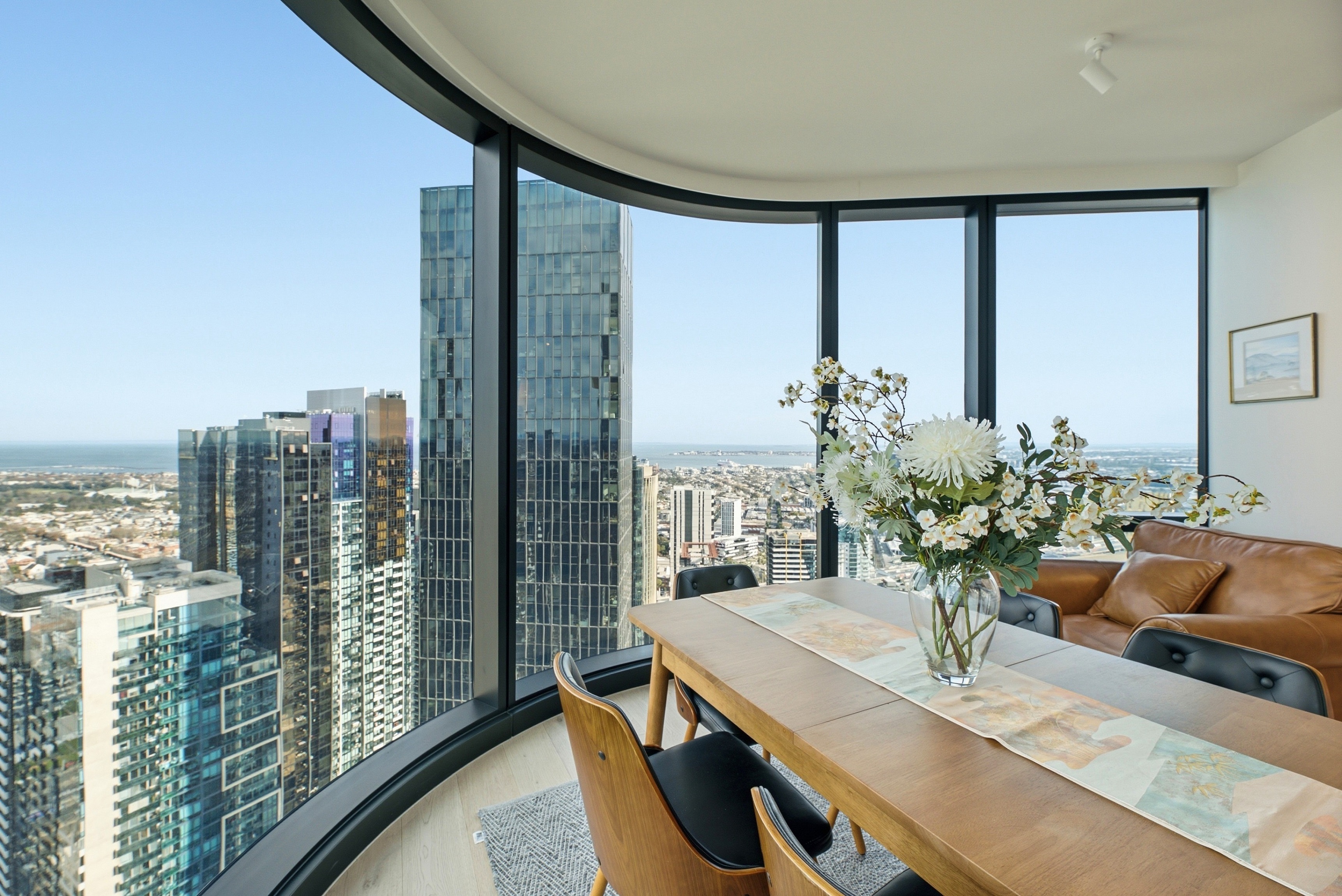
Australia's property investment landscape is undergoing one of its biggest tax reforms in decades. With significant changes to negative gearing and capital gains tax taking effect from 1 July 2027, investors are reassessing how they purchase, manage and generate income from residential property.
For property owners, particularly those investing in established apartments, these changes could make rental income and positive cash flow more important than ever.
One strategy worth considering is converting traditional rental properties into fully furnished corporate accommodation, potentially generating higher rental returns while appealing to a different segment of the rental market.
What Are the New Negative Gearing Changes in Australia?
Negative gearing has traditionally allowed Australian property investors to offset rental property losses against other taxable income, including salaries and wages.
For example, if an investment property generated $30,000 in annual rental income but incurred $40,000 in deductible expenses, the investor could potentially offset the $10,000 loss against their other taxable income.
However, the Federal Government has introduced significant changes to this arrangement.
From 1 July 2027:
- Negative gearing benefits will generally be restricted to eligible newly built residential properties.
- Investors purchasing established residential properties after 7:30 pm AEST on 12 May 2026 will no longer be able to offset rental losses against salary or other non-property income.
- Rental losses from affected properties can still be offset against eligible residential property income, with unused losses carried forward.
- Properties held before the May 2026 announcement are generally protected under grandfathering arrangements.
These reforms are intended to encourage investment in newly constructed housing while reducing tax advantages associated with purchasing existing properties.
For investors considering established apartments in Melbourne and other Australian cities, the changes introduce an important question: How can an investment property generate stronger rental income without relying heavily on tax deductions?
Why Positive Cash Flow Will Become More Important
Historically, some property investors have been comfortable holding negatively geared properties because the tax benefits helped offset annual losses while they waited for capital growth.
Under the new arrangements, investors purchasing affected established properties may need to place greater emphasis on the property's actual income-generating performance.
Rather than focusing primarily on potential capital appreciation, investors should consider:
- Achievable weekly rental income
- Occupancy rates and vacancy periods
- Property management and operating expenses
- Mortgage repayments and interest costs
- Net rental yield and annual cash flow
A property that generates sufficient income to cover most or all of its operating costs may become more attractive than one that depends heavily on tax benefits.
This is where furnished corporate accommodation could offer an opportunity.
Could Furnished Apartments Deliver Higher Rental Returns?
Traditional residential investment properties are generally leased unfurnished, with tenants signing agreements for six or twelve months.
While this provides stability, it can also limit the property's potential rental income.
Fully furnished apartments operate differently.
Corporate accommodation providers such as Corporate Keys specialise in accommodating business travellers, relocating professionals, executives and individuals requiring temporary accommodation for extended periods.
These guests often require accommodation for several weeks or months rather than a traditional long-term residential lease.
Because the accommodation is furnished and provides additional convenience, owners may be able to achieve a higher weekly rental rate than an equivalent unfurnished property.
For example, consider the following hypothetical comparison:
| |
Traditional Rental
|
Furnished Corporate Rental
|
|
Weekly rental rate
|
$700
|
$950
|
|
Annual occupancy
|
100%
|
90%
|
|
Annual gross rental income
|
$36,400
|
$44,460
|
|
Difference
|
|
+$8,060
|
In this example, the furnished apartment generates approximately 22% more gross rental income, despite allowing for vacancy periods.
Actual results will vary depending on the property's location, condition, furnishings, demand and operating costs. Furnished accommodation also involves additional expenses, so gross rental income should not be confused with net returns.
Nevertheless, the potential to generate additional income could become increasingly important under Australia's changing tax environment.
Furnished Corporate Accommodation Versus Airbnb
When considering furnished accommodation, many property owners immediately think of Airbnb or traditional short-term holiday rentals.
However, corporate accommodation offers a different approach.
At Corporate Keys, our core focus is extended-stay accommodation, generally accommodating guests for a minimum of 28 nights, with many bookings extending for several months.
This model appeals to corporate clients who require accommodation for employee relocations, temporary assignments, major projects and extended business travel.
Compared with nightly holiday accommodation, longer corporate bookings may provide several advantages:
- Reduced guest turnover and fewer changeovers
- Longer booking periods and more predictable rental income
- Less reliance on weekend and holiday demand
- Access to corporate and relocation accommodation markets
- Professional management of reservations and guest requirements
For owners seeking a balance between rental income and occupancy stability, professionally managed furnished accommodation may provide an alternative to both traditional leasing and holiday rentals.
What About Depreciation and Tax Deductions on Furniture?
One consideration when converting an investment property into furnished accommodation is the potential tax treatment of furniture, appliances and equipment.
Depending on the circumstances, eligible newly purchased furniture and appliances may qualify for depreciation deductions under Australian Taxation Office rules.
Items may include beds, sofas, dining furniture, televisions, refrigerators and washing machines.
However, furnishing an established property does not automatically make it eligible for negative gearing under the new legislation.
The property's acquisition date, eligibility as a new build, ownership structure and the treatment of rental losses all remain relevant.
Investors should seek advice from a qualified accountant or tax adviser before making decisions based on depreciation or expected tax benefits.
Capital Gains Tax Changes: Another Consideration for Investors
The reforms also extend beyond negative gearing.
From 1 July 2027, the existing 50% capital gains tax discount for individuals and certain other investors will be replaced by a system incorporating cost-base indexation and a 30% minimum tax on capital gains.
Transitional arrangements apply, including protections for gains accrued before the commencement date and special provisions for eligible new housing investments.
These changes could influence how investors evaluate the long-term financial benefits of holding and eventually selling an investment property.
As a result, investors may increasingly assess properties based on both capital growth potential and the rental income they can generate throughout the ownership period.
How Corporate Keys Can Help Property Owners Adapt
With property investment becoming increasingly focused on financial performance, professional management and access to reliable accommodation demand are important considerations.
Corporate Keys specialises in furnished corporate accommodation and works with property owners seeking to maximise their property's rental potential.
Our services include:
- Assessing the property's suitability for corporate accommodation
- Providing guidance on furnishings and presentation
- Marketing properties to corporate, executive and relocation clients
- Managing reservations, guest communication and check-ins
- Applying flexible pricing strategies to respond to seasonal demand
- Coordinating cleaning and ongoing guest services
Our extended-stay accommodation model is designed to help owners access the furnished rental market without personally managing the day-to-day requirements of corporate guests.
Is Now the Right Time to Convert Your Investment Property?
Australia's negative gearing reforms represent an important shift in the property investment market.
For existing property owners, particularly those protected by grandfathering arrangements, the changes do not necessarily mean their current investment strategy needs to change.
However, owners purchasing additional properties or reviewing underperforming investments may benefit from considering alternative rental strategies.
Converting a suitable property into furnished corporate accommodation could provide an opportunity to improve rental income, attract longer-stay corporate guests and reduce reliance on tax benefits.
The key is understanding whether the additional rental income outweighs the costs of furnishing, management, utilities, maintenance and vacancy.
Discover Your Property's Furnished Rental Potential
If you own an apartment in Melbourne or are considering purchasing an investment property, Corporate Keys can help assess whether furnished corporate accommodation is a suitable option.
Our experienced team can review your property's location, layout, facilities and potential corporate rental demand to provide an indication of achievable weekly rental rates.
Contact Corporate Keys today to explore how professionally managed furnished accommodation could help maximise your investment property's rental potential.
Disclaimer: This article provides general information only and does not constitute financial, taxation or investment advice. Tax laws and individual circumstances vary. Property owners should consult a qualified accountant or financial adviser before making investment decisions.