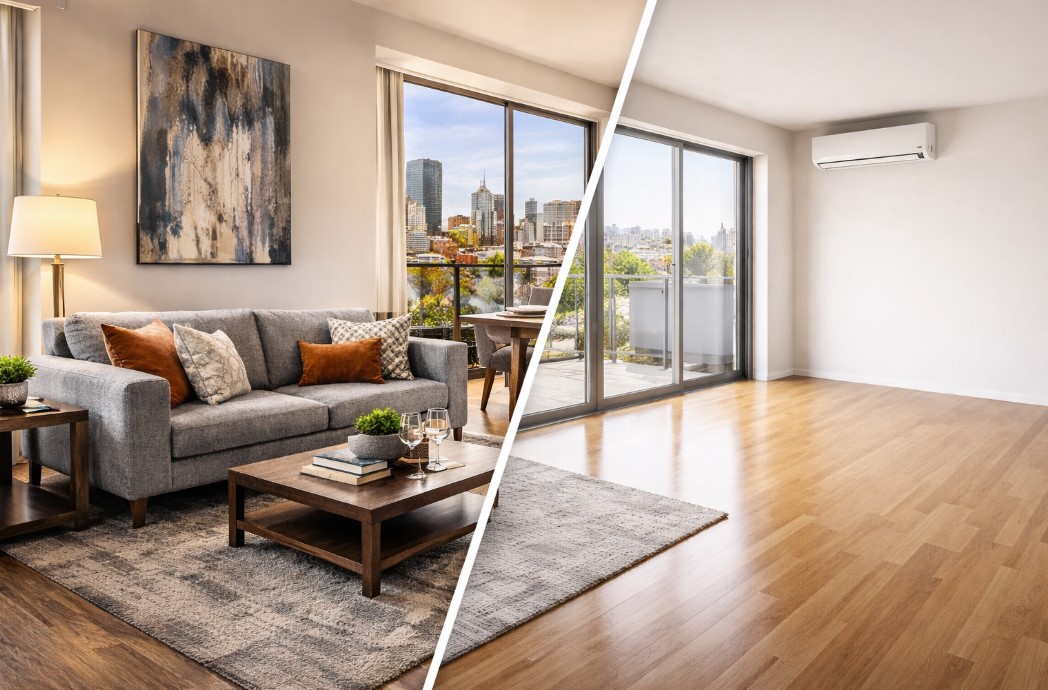
One of the most common questions property owners ask before leasing out a home is whether to rent it furnished or unfurnished. The decision can significantly influence rental income, tenant type, vacancy periods, and ongoing management requirements. There is no one-size-fits-all answer—what works best depends on your property’s location, target market, and investment goals.
Understanding the pros and cons of each option can help landlords make an informed, strategic decision.
Understanding Furnished Rentals
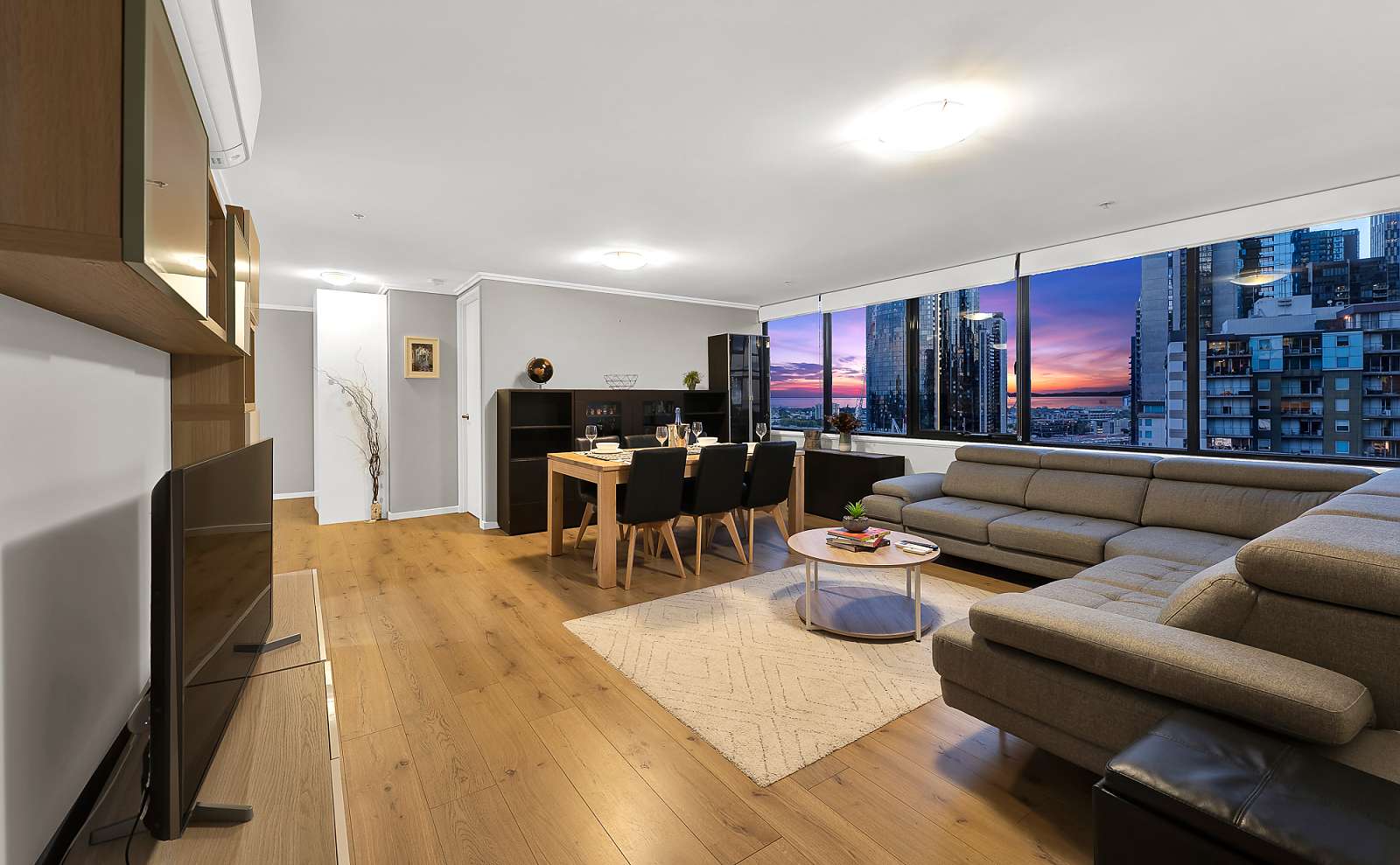
A furnished rental is leased with essential furniture and household items already in place. This typically includes beds, sofas, dining furniture, appliances, and basic kitchenware. Some furnished properties are minimally equipped, while others are fully set up for immediate move-in.
Furnished rentals are particularly popular in inner-city areas, near business hubs, universities, hospitals, and transport corridors. They appeal to tenants who value convenience and flexibility over long-term stability.
Advantages of Renting Furnished
One of the key benefits of furnishing a rental is the potential for higher rent. Tenants are often willing to pay a premium for a property that allows them to move in with minimal setup costs.
Furnished homes also attract a wider range of tenants, such as:
- Corporate professionals on temporary assignments
- Relocating individuals or families
- Medical professionals on placements
- Interstate or international arrivals
- Tenants renovating or building their own home
Because these tenants often have defined timeframes, furnished rentals can experience shorter vacancy periods, particularly in high-demand locations.
From a financial perspective, furniture and appliances may also be eligible for depreciation, which can offer tax advantages depending on current legislation and individual circumstances.
Considerations for Furnished Rentals
Despite the benefits, furnished rentals require careful management. There are higher upfront costs to purchase quality furniture, and ongoing wear and tear must be factored in. Poor-quality furnishings can lead to frequent replacements and tenant dissatisfaction.
Landlords may also need to update insurance policies to cover contents and ensure clear agreements are in place regarding responsibility for damage or excessive wear.
Understanding Unfurnished Rentals
An unfurnished rental typically includes fixed items such as flooring, window coverings, and built-in appliances, but no movable furniture. This is the most common option for traditional residential leasing.
Unfurnished homes generally attract long-term tenants—families or individuals looking for stability who prefer to use their own furniture and personalise their space.
Advantages of Renting Unfurnished
Unfurnished rentals often involve lower upfront costs and simpler ongoing management. Without furniture to maintain or replace, landlords face fewer maintenance issues related to contents.
Tenants in unfurnished properties also tend to stay longer, which can reduce turnover costs and create consistent rental income. Longer lease terms provide predictability and may suit landlords seeking minimal involvement.
In suburban or family-oriented areas, unfurnished rentals are often the preferred—and expected—option.
Considerations for Unfurnished Rentals
While unfurnished properties may be easier to manage, they can be less flexible. Rental income is usually lower than furnished equivalents, and properties may take longer to lease in competitive or transient markets.
Unfurnished homes may also be less attractive to tenants who need short- or medium-term accommodation, limiting the tenant pool in certain locations.
Location and Target Market Matter Most
The decision to rent furnished or unfurnished should always be guided by market demand. Inner-city apartments, properties near hospitals or business districts, and locations with high relocation activity often perform better as furnished rentals.
In contrast, suburban homes, school-zone properties, and family-focused areas typically achieve stronger results when leased unfurnished.
Landlords who own multiple properties sometimes adopt a mixed strategy—offering furnished rentals in high-demand urban areas while keeping suburban properties unfurnished to balance yield and stability.
The Role of Corporate and Executive Rentals
For landlords considering furnished rentals, corporate and executive accommodation can be a compelling niche. Providers such as Corporate Keys specialise in professionally managed furnished properties designed for business travellers, relocations, and long stays. This model demonstrates how furnished homes, when targeted correctly, can deliver reliable demand and consistent returns.
Working with experienced operators or understanding how corporate accommodation functions can help landlords assess whether a furnished strategy aligns with their property and risk tolerance.
Making the Right Decision
When deciding whether to rent your house furnished or unfurnished, consider the following questions:
- Who is the most likely tenant for my property?
- Is the location suited to short-, medium-, or long-term stays?
- Can the rental market support a furnished premium?
- Am I prepared for higher management and maintenance requirements?
- Do I prioritise flexibility or long-term stability?
Answering these questions honestly will clarify which option best supports your investment objectives.
Final Thoughts
Renting a house furnished or unfurnished is a strategic choice that should align with both the property and the market it serves. Furnished rentals can offer higher income and flexibility, particularly in urban or transient areas, while unfurnished rentals provide stability, simplicity, and long-term tenant retention.
By understanding tenant demand, weighing costs and benefits, and considering professional accommodation models, landlords can confidently choose the approach that delivers the strongest results for their property.