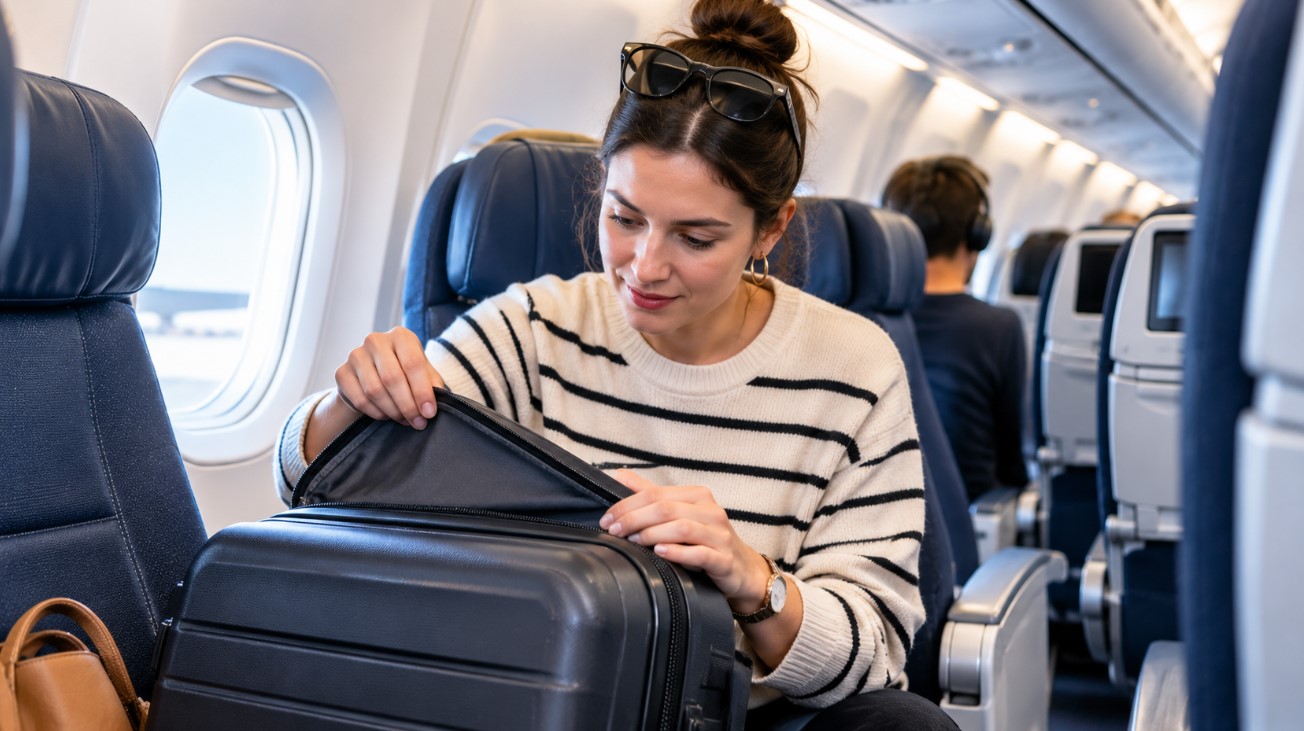
Travelling by air is an essential part of modern life, whether for business, holidays, or family visits. While passengers often focus on flight schedules, baggage allowances, and airport security, another travel concern occasionally attracts attention: bed bugs.
These tiny insects can travel unnoticed in luggage, clothing, and personal belongings, making them a potential concern for travellers moving between destinations.
Although bed bugs are more commonly associated with accommodation, they can occasionally be transported onto aircraft. Understanding how they spread and taking simple precautions can help passengers travel with greater confidence.
Can Bed Bugs Really Be Found on Planes?
Bed bugs are small, flat insects that feed on human blood. They are usually active at night and often hide in narrow spaces, including mattress seams, furniture joints, and upholstery.
While aircraft are not their typical habitat, bed bugs can potentially be carried onboard through passengers' belongings.
They may hide in luggage, clothing, or fabric items and occasionally find shelter in upholstered seating.
However, finding a bed bug on an aircraft does not necessarily indicate an established infestation.
Airlines use cleaning and maintenance procedures, but passengers should still remain aware of their surroundings and report any suspected pest activity.
How Do Bed Bugs Spread During Travel?
Bed bugs do not fly or jump. Instead, they move by crawling and can be transported between locations by hiding in personal belongings.
Suitcases, backpacks, handbags, and clothing can provide temporary hiding places.
Travellers may unknowingly pick up bed bugs in hotels, accommodation properties, public transport, or other environments where luggage comes into contact with infested surfaces.
Once transported, the insects may spread to other locations, including homes and temporary accommodation.
Understanding these risks can help travellers take practical precautions without becoming unnecessarily concerned.
What Are the Signs of Bed Bugs?
Identifying bed bugs early can help prevent them from spreading.
Adult bed bugs are generally reddish-brown, oval-shaped, and approximately the size of an apple seed.
Common signs include small dark spots on fabric, shed insect skins, or live insects hiding in seams and crevices.
Some people may develop itchy red marks after being bitten, although reactions vary considerably.
Bites alone are not reliable evidence of bed bugs because other insects and skin conditions can produce similar symptoms.
If you suspect bed bugs, avoid moving potentially affected belongings between rooms and notify the relevant accommodation or transport provider.
What Should You Do If You Spot Bed Bugs on a Flight?
If you notice a suspected bed bug while travelling, inform the cabin crew discreetly.
Avoid attempting to spray insecticides or apply chemicals to aircraft seats or surrounding areas.
Cabin crew can assess the situation and follow the airline's procedures for reporting potential pest concerns.
Passengers travelling with major Australian airlines such as Qantas can refer to official airline information for general travel guidance and contact the airline directly to report concerns.
Keeping luggage closed when not in use and inspecting belongings after travel may also help reduce the possibility of transporting unwanted insects.
How to Protect Your Luggage While Travelling
Preventing bed bugs from travelling with your belongings begins with simple habits.
Consider using luggage with smooth surfaces and fewer fabric compartments, as these may be easier to inspect.
Avoid placing suitcases directly on beds or upholstered furniture when arriving at accommodation.
Instead, use a luggage rack after checking it for signs of pests.
Keep clothing organised in sealed packing bags where practical, and inspect luggage before returning home.
After travelling, washing and drying suitable clothing according to its care instructions can help reduce the risk of bringing bed bugs into your home.
Choosing Comfortable Accommodation After Your Flight
Accommodation is another important consideration when planning a business trip, family holiday, or extended stay.
Travellers should choose reputable accommodation providers, review property information, and report any cleanliness concerns promptly.
For professionals and families visiting Western Australia, furnished serviced apartments in Perth through Corporate Keys Australia offer an accommodation option for travellers seeking the convenience of residential-style living.
Serviced apartments can provide separate living areas, equipped kitchens, laundry facilities, and comfortable furnishings, making them particularly practical for longer visits.
Regardless of the accommodation type, travellers should inspect their sleeping area and luggage storage spaces when arriving.
What to Do After Returning Home
Taking a few precautions after travelling can help prevent bed bugs from entering your home.
Inspect suitcases carefully, particularly around zippers, seams, handles, and fabric linings.
Unpack luggage away from bedrooms where possible, and check clothing before placing it into wardrobes or drawers.
If bed bugs are suspected, isolate affected belongings and seek advice from a qualified pest management professional.
Avoid using unapproved chemical treatments, as incorrect application may create additional health risks without effectively addressing the problem.
Final Thoughts: Travel Smart and Stay Informed
Bed bugs on aircraft are a potential travel concern, but there is no need to assume every flight or accommodation property presents a significant risk.
By understanding how these insects spread, recognising possible warning signs, and practising sensible luggage hygiene, travellers can reduce their exposure.
Whether flying for business or leisure, preparation remains one of the best ways to enjoy a comfortable journey.
From choosing suitable accommodation to checking belongings after a trip, small precautions can help make travel safer, more convenient, and less stressful.