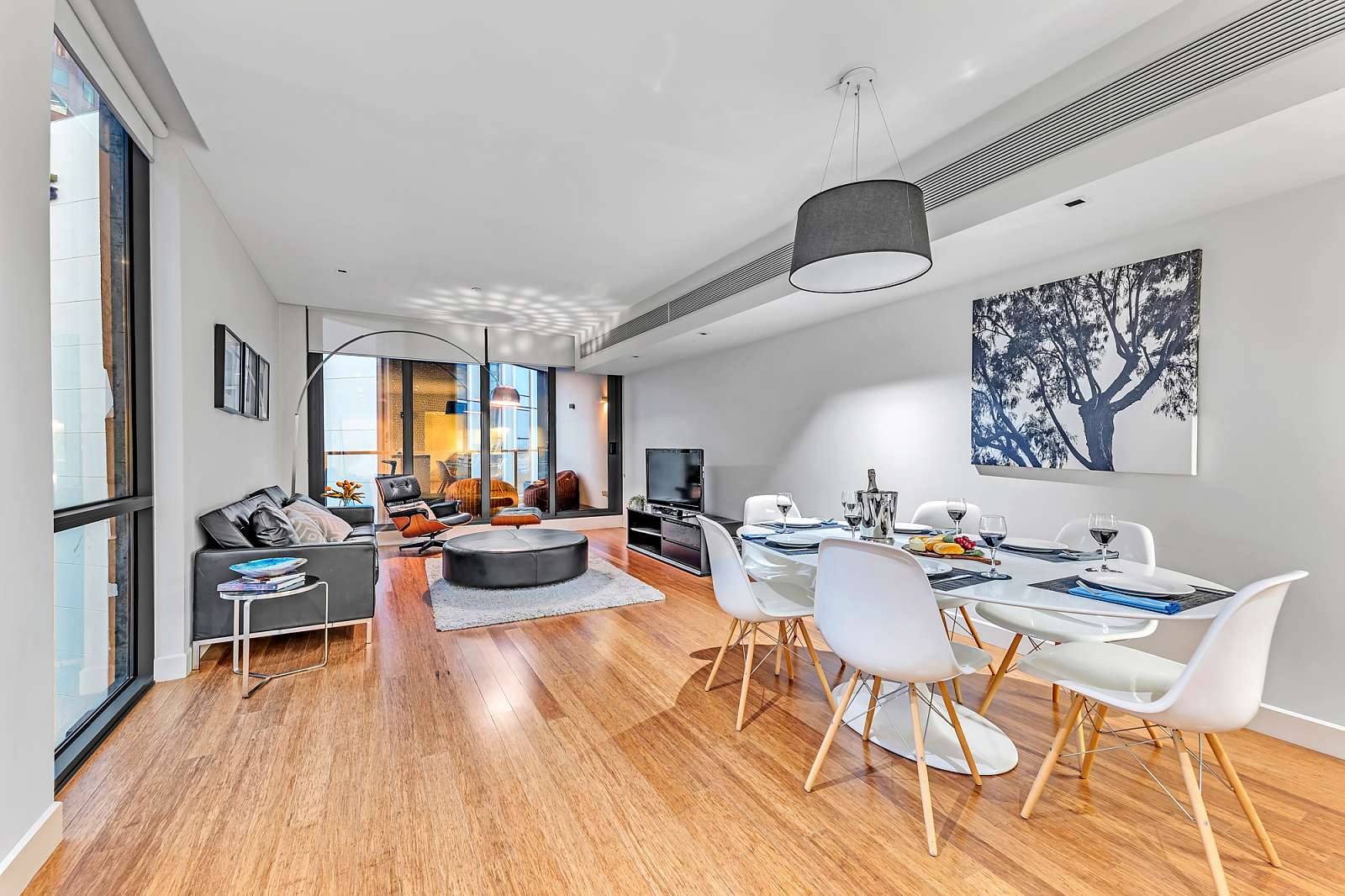
Renting a fully-furnished property has become an increasingly popular choice for many individuals seeking temporary accommodations or looking to avoid the hassle of moving furniture. These rentals offer convenience and comfort, but they also present unique considerations when it comes to insurance. Understanding the nuances of insuring a fully-furnished rental is essential for both landlords and tenants to ensure adequate protection. Let's delve into the key points you need to know about this specific type of insurance coverage.
1. Unique Insurance Needs for Fully-Furnished Rentals
Fully-furnished rentals typically include a variety of valuable items, such as furniture, electronics, appliances, and other personal property. Standard renters' insurance might not adequately cover the value of these items. For landlords, insuring the furnished property against damages caused by tenants or unforeseen circumstances is crucial.
2. Landlord Insurance for Furnished Rentals
Landlord insurance for furnished rentals, sometimes referred to as rental property insurance, is tailored to cover furnished properties. It may encompass coverage for structural damage, liability protection, and loss of rental income due to damages. Landlord insurance for furnished properties may cost more than standard landlord policies due to the increased value of the contents.
3. Tenant Insurance for Fully-Furnished Rentals
Tenants residing in fully-furnished rentals should consider a comprehensive renters' insurance policy. Standard renters' insurance generally covers personal property and liability, but with fully-furnished rentals, it's crucial to confirm that the policy includes coverage for high-value items. Tenants should assess the value of the furnishings and ensure their insurance policy adequately covers potential losses or damages.
4. Valuing Furnishings for Insurance Purposes
Determining the value of furnished items in the rental property is a critical step. Landlords and tenants should keep an inventory of all furnished items, including their estimated value. Photographs, receipts, or professional appraisals can be valuable when establishing the worth of these items for insurance purposes.
5. Understanding Coverage Limits and Exclusions
When selecting insurance for fully-furnished rentals, it's essential to comprehend coverage limits and any exclusions. Certain items may have coverage limits, and some policies might exclude specific perils. For instance, damages due to floods or earthquakes might not be covered under standard policies and might require additional coverage.
6. Liability Protection
Liability protection is crucial for both landlords and tenants. Landlords should ensure their insurance covers them against potential liabilities arising from injuries sustained by tenants or guests in the furnished property. Tenants should also have liability coverage in case someone gets injured while on the premises.
7. Communication between Landlords and Tenants
Effective communication between landlords and tenants is key. Landlords should transparently convey the extent of their insurance coverage and any specific requirements they have for tenant insurance. Tenants, in turn, should discuss their insurance coverage and seek clarifications if needed.
8. Reviewing and Updating Insurance Policies Regularly
Both landlords and tenants should review and update their insurance policies regularly. Changes in the value of furnished items or modifications to the property might necessitate adjustments to insurance coverage to ensure adequate protection.
Final Thoughts
Insuring a fully-furnished rental property requires a nuanced approach. Landlords and tenants need to comprehend their insurance needs and secure appropriate coverage to safeguard their interests. By assessing the value of furnishings, understanding coverage options, and maintaining open communication, both parties can ensure they are adequately protected against potential risks and losses.
In conclusion, insuring a fully-furnished rental demands a proactive and comprehensive approach to protect both the property and personal belongings within it. By understanding the specifics of insurance needs and ensuring adequate coverage, both landlords and tenants can mitigate risks and enjoy peace of mind in their furnished rental arrangements.